Snacks are often discussed as if they reveal character. In practice, the useful question is much more ordinary: what would help between now and the next meal? Start with the gap in your day, your appetite, and the food you enjoy—not a promise that a snack will make you a better person.
Notice the gap the snack is filling
A long commute, a late lunch, and a meeting-heavy afternoon create different needs. Keep a few notes for a typical week: when you felt hungry, what was available, and whether the choice was satisfying.
You may discover that the issue is simply access. If the only food nearby is something you do not enjoy, or the food you packed is still at home, a more elaborate nutrition plan will not fix the afternoon.
Use a pairing idea instead of a perfect-snack rule
Registered dietitian Morgan Tarmann's snack guide for The Everygirl emphasizes pairing protein-containing foods with foods that provide fiber. Use the idea to create options you enjoy rather than copying a required number from a list. Yogurt with fruit, crackers with hummus, or cheese with a piece of fruit are simple starting combinations. Adapt them for allergies, dietary needs, and what you can afford.
A pairing is a way to make the choice easier, not a requirement that every snack contain several components. Some days an available food is the useful choice. Other days you have time for a small plate. Notice whether the option is appealing and appropriate for the gap before your next meal. If the gap is several hours and you are hungry, a more substantial snack or an earlier meal may make more sense than trying to keep the portion small because a package calls itself a snack.
Sources: [1]
Build three options for three different settings
Choose one option for the refrigerator, one for the desk, and one for the bag you carry. The refrigerator option can be something perishable you like. The desk option should suit the workplace, including any allergy rules. The bag option should tolerate the conditions in which you will carry it. Check the package's storage instructions instead of assuming portable means shelf-stable.
For example, keep a yogurt and fruit together in the fridge, a suitable shelf-stable option near the desk, and a backup in the work bag. The exact foods can change weekly. The useful structure is knowing where to find something when the day changes. If you work in several locations, decide which option travels and how it will be kept safe. A beautifully organized drawer at home cannot help the afternoon when the drawer is two train rides away.

Give chilled snacks a storage plan
A snack packed early may not be eaten until much later. USDA advice for bag lunches recommends an insulated bag with at least two cold sources for perishable foods when refrigeration is unavailable. If you have access to a refrigerator, use it promptly. A reusable container organizes food; it does not, by itself, keep that food at a safe temperature.
Match the plan to the whole route: the commute, the hours before eating, and whether the bag stays in a hot car or another warm setting. Check the storage guidance for the foods you pack. If safe chilled storage is impractical, choose an appropriate shelf-stable alternative rather than hoping a cold breakfast will remain cold all afternoon. The convenient option is the one you can trust at the time you need it. Food safety belongs in the routine alongside taste and accessibility, not as an afterthought once the drawer is stocked.
Sources: [2]
The IHE Edit
Pack a snack for the day you have
A flat bag, a small bowl, and a cooling option serve different kinds of snacks and journeys.
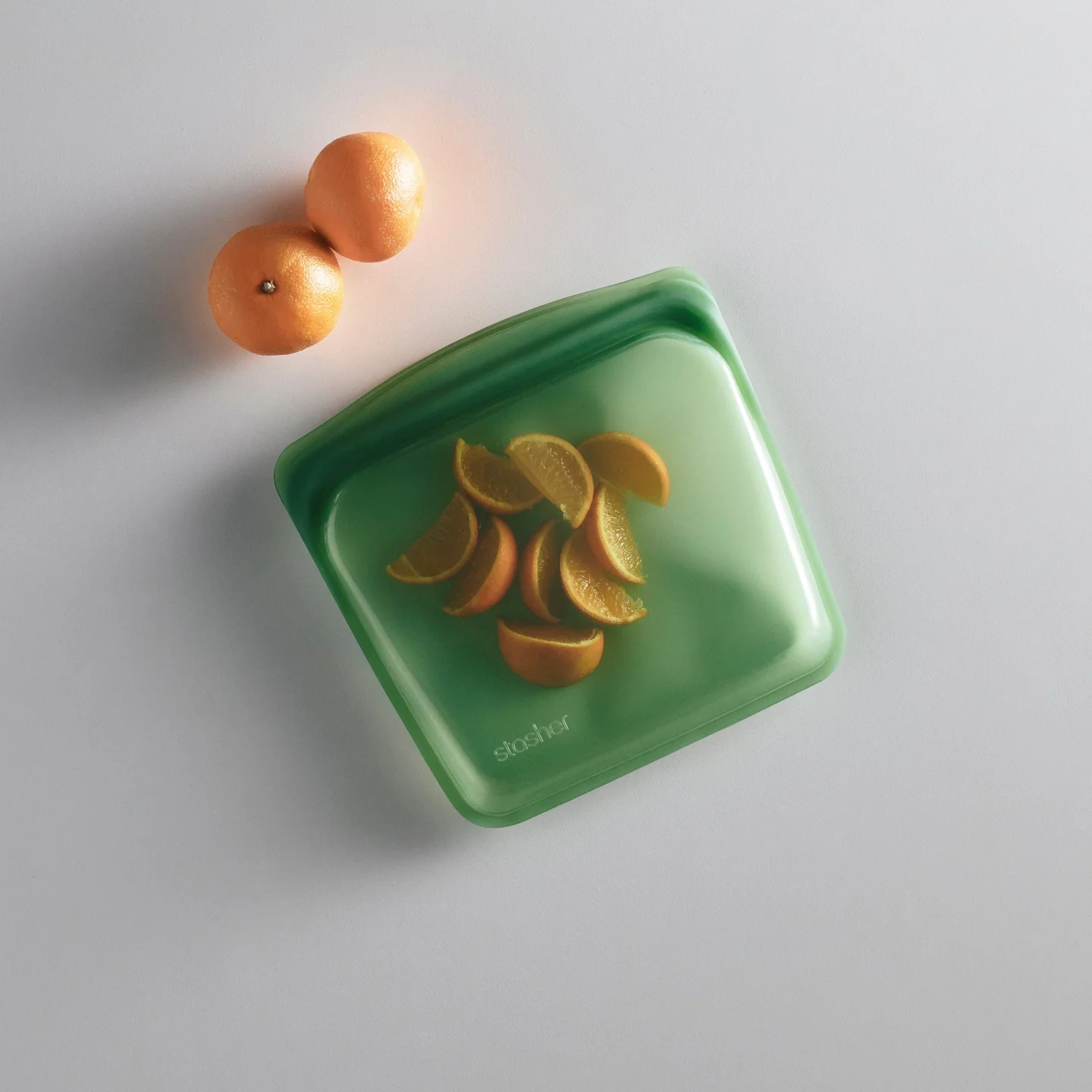
For a sandwich or crackers
Stasher Sandwich Bag
A reusable silicone sandwich bag for a sandwich, fruit, or a handful of crackers. Keep perishable fillings appropriately chilled.
Shop Stasher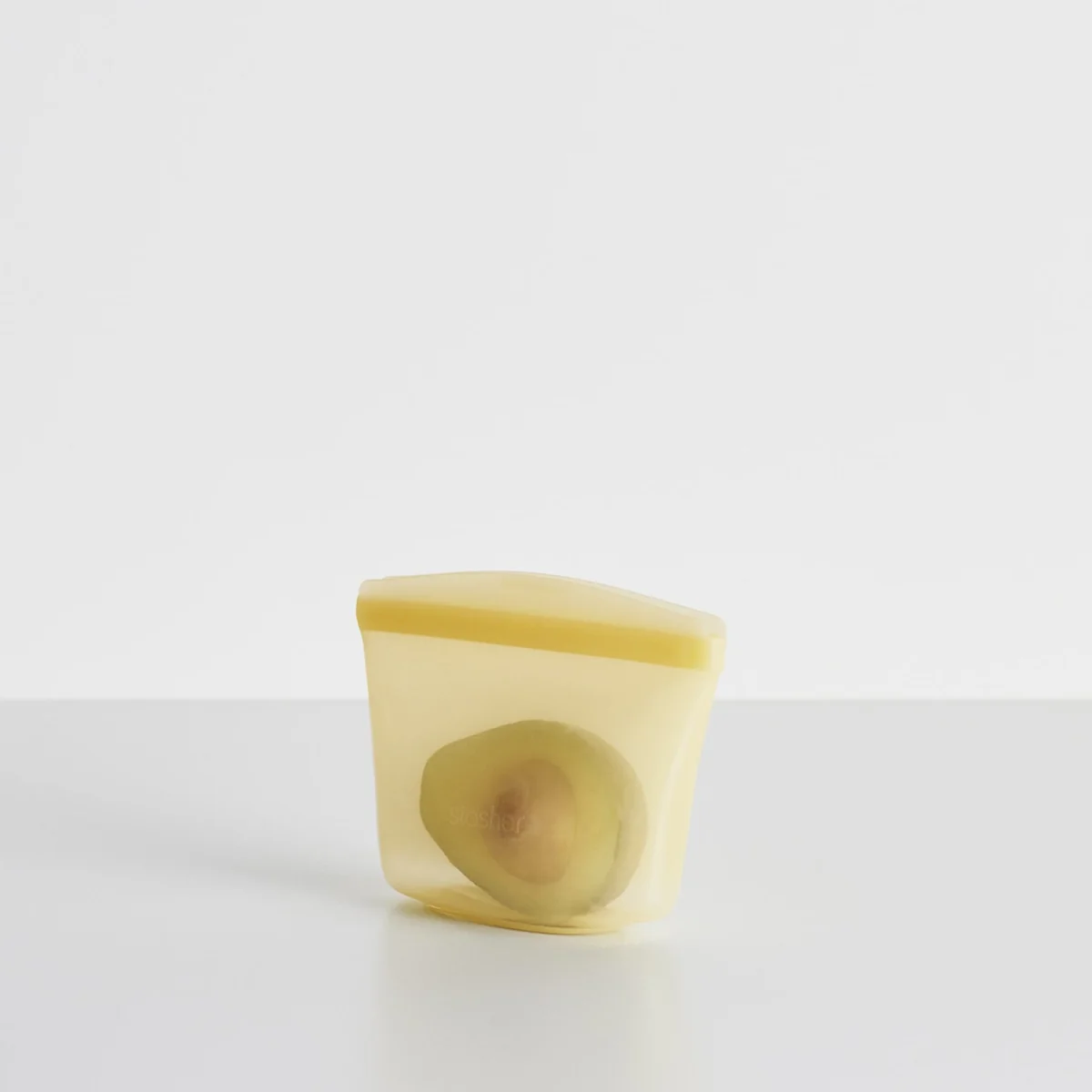
For a smaller portion
Stasher 1-Cup Bowl
A small, reusable silicone bowl for a portion of trail mix or cut fruit. Its one-cup capacity works for a snack or a little leftover.
Shop Stasher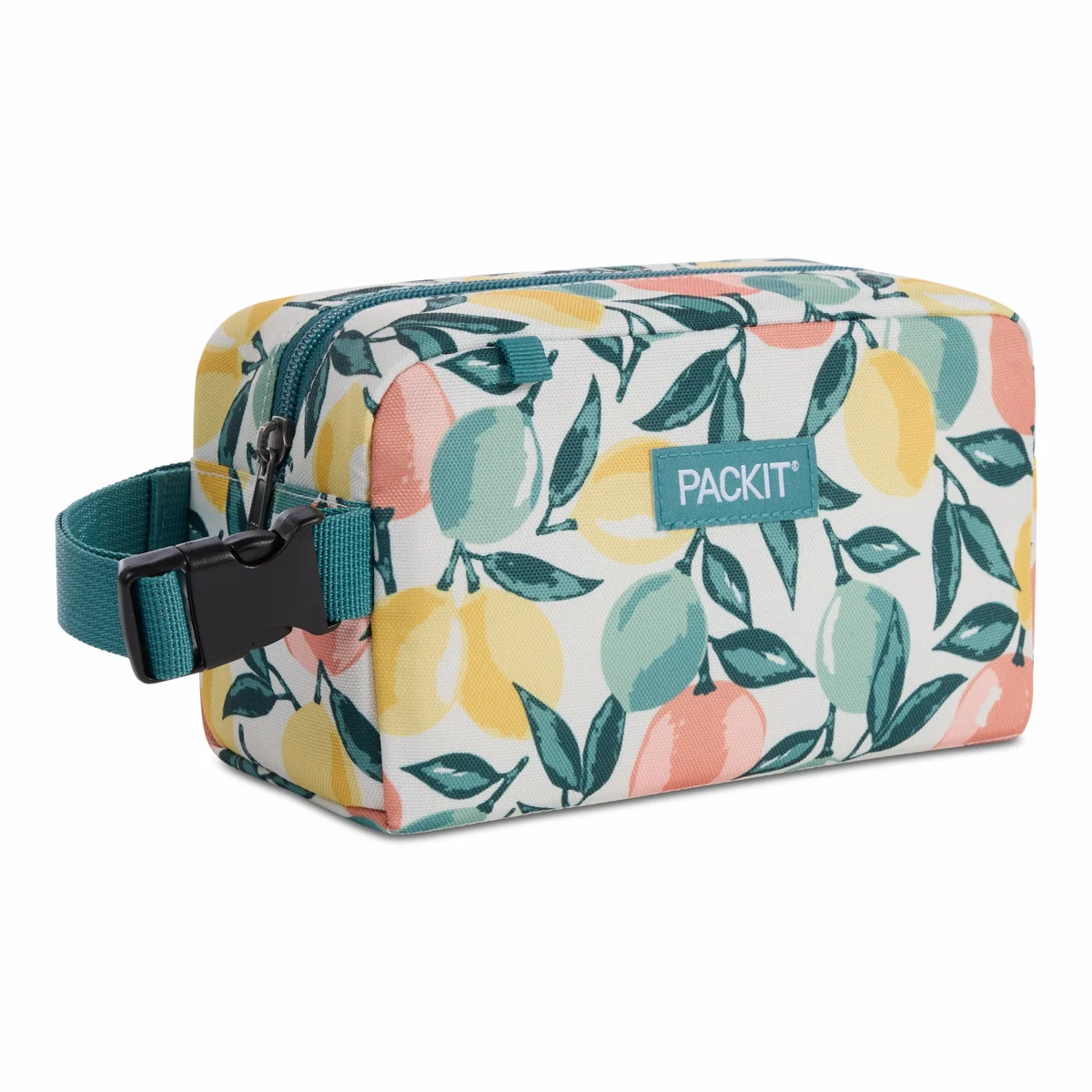
For snacks that need chilling
PackIt Freezable Snack Box
A compact snack bag with cooling gel built into its walls. Freeze it overnight before packing, and plan food storage around the length of your day.
Shop PackItRefill according to what disappeared, not what looked virtuous
At the end of the week, notice what you ate and what you kept passing over. Refill the useful options and reconsider the ignored ones. Perhaps the food needs a utensil you never carry, the package is hard to open at the desk, or you do not enjoy the flavor. Those are practical reasons for a snack plan to fail.
Keep a short list with two reliable choices and one optional change. Avoid buying a large collection before you know which items fit. If a popular protein product is expensive, compare it with foods you already enjoy rather than treating the marketing category as essential. Appetite and schedules vary, so leave space to eat differently on a different day. The drawer should help you respond to the afternoon you have. It does not need to demonstrate a fixed identity, a perfect ratio, or a level of discipline to anyone else.
Set up two places, not a complicated system
Keep shelf-stable options in a visible drawer and perishable ones together in the refrigerator. Bring older items forward and replenish when the list is short. If you travel between locations, keep a portable option in the bag you actually use.
Follow storage guidance for perishable foods. A snack packed at breakfast may need an insulated bag or refrigeration before the afternoon. Ease should include being able to trust the food you find.
Let appetite change without a verdict
Some days require more food than others. You can eat more, choose a different snack, or decide that an early meal would serve you better. There is no reason to turn that adjustment into a statement about discipline.
The drawer has done its job when it gives you a few appealing options at a useful moment. It does not need to look the same every week, and neither does your appetite.