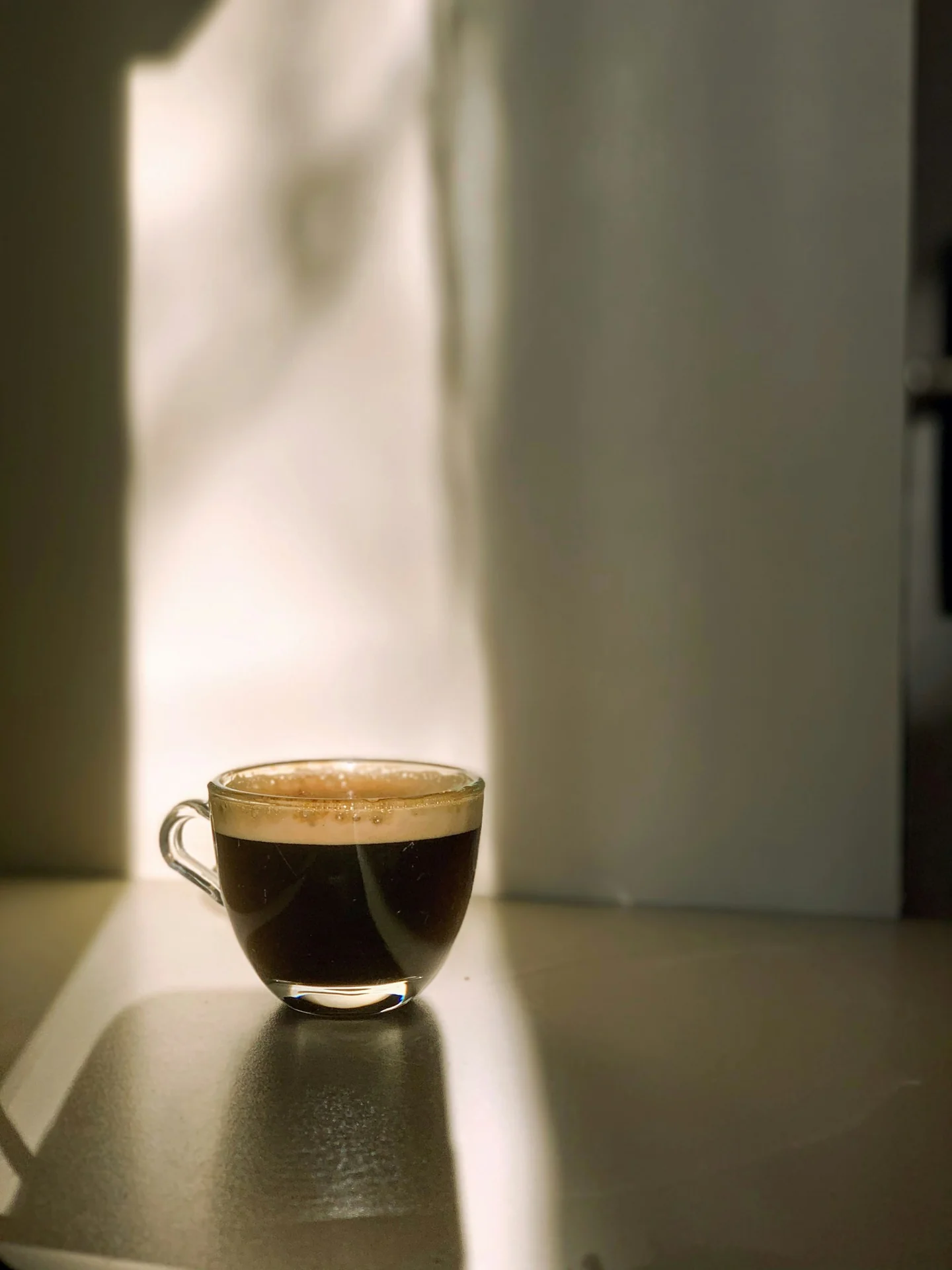
The first cup can mean a quiet kitchen, a familiar walk, or five minutes before the inbox opens. Those parts of the ritual are worth keeping. The caffeine inside it is a separate decision—and it helps to make that decision with your whole day in view.
Count the serving you actually drink
Caffeine content varies by drink and serving size. The FDA cites 400 milligrams a day as an amount not generally associated with negative effects for most healthy adults, not as a daily goal. A large coffee plus an energy drink may add up differently from two small cups.
For three ordinary days, note the drink, its size, and the time. Include tea, energy products, and supplements. If the café does not publish a number, record that uncertainty rather than inventing one. You are looking for a pattern, not a perfect spreadsheet.
Why feeling awake and being rested are different
Caffeine acts on the nervous system. One part of its effect is blocking the action of adenosine, a signal involved in sleep pressure. The NIH's explanation of caffeine and the brain makes the distinction useful: the drink can change how sleepy you feel without supplying the sleep your body missed. That is why an alert afternoon and a short night can coexist.
Think about the situation you are trying to change before changing the order. If you enjoy a morning coffee and sleep comfortably, there may be no problem to solve. If the third cup is becoming the bridge between a late bedtime and another long workday, the schedule deserves attention too. A drink can support a routine; it cannot repair the hours that the routine never leaves for rest. The question is what the cup is being asked to do.
Sources: [4]
An afternoon cup can still belong to your evening
MedlinePlus notes that caffeine's effects may be felt for four to six hours, with individual differences. That makes the final cup worth noticing even when it does not cause obvious jitters. Falling asleep is only one observation: record whether you feel unusually wired while trying to wind down, whether the bedtime drifts, and whether another morning feels difficult.
Choose a test that is easy to interpret. Keep the first coffee the same for a week and replace the later refill with a drink without caffeine. Do not simultaneously change dinner, start a supplement, and move your bedtime by two hours. If nothing changes, that is useful information rather than a failed wellness experiment. If something improves, you have a practical reason to keep the new timing. A personal pattern is more helpful than a universal cutoff borrowed from someone else's schedule.
Sources: [3]

Read milligrams, then read the whole serving
A cup is a container, not a dose. A bottled drink may contain more than one labeled serving, and a scoop of a powdered product may be measured differently from the way you pour it. Look for the amount of caffeine in the portion you actually consume. Include products sold for alertness or workouts, rather than counting coffee alone.
For example, write down your usual café order, an afternoon tea, and the occasional energy drink as three separate entries. Use the manufacturer's published caffeine information where available; if it is unavailable, mark the number unknown. The FDA's healthy-adult reference amount is a useful context for the total, but it is not a personal prescription or a quota to fill. A smaller amount may still be too much for someone who is sensitive. Enjoying a drink does not require reaching a maximum.
Sources: [1]
The IHE Edit
Keep the ritual, make room for a change
Useful pieces for taking a smaller drink, keeping water nearby, and packing something for the afternoon.
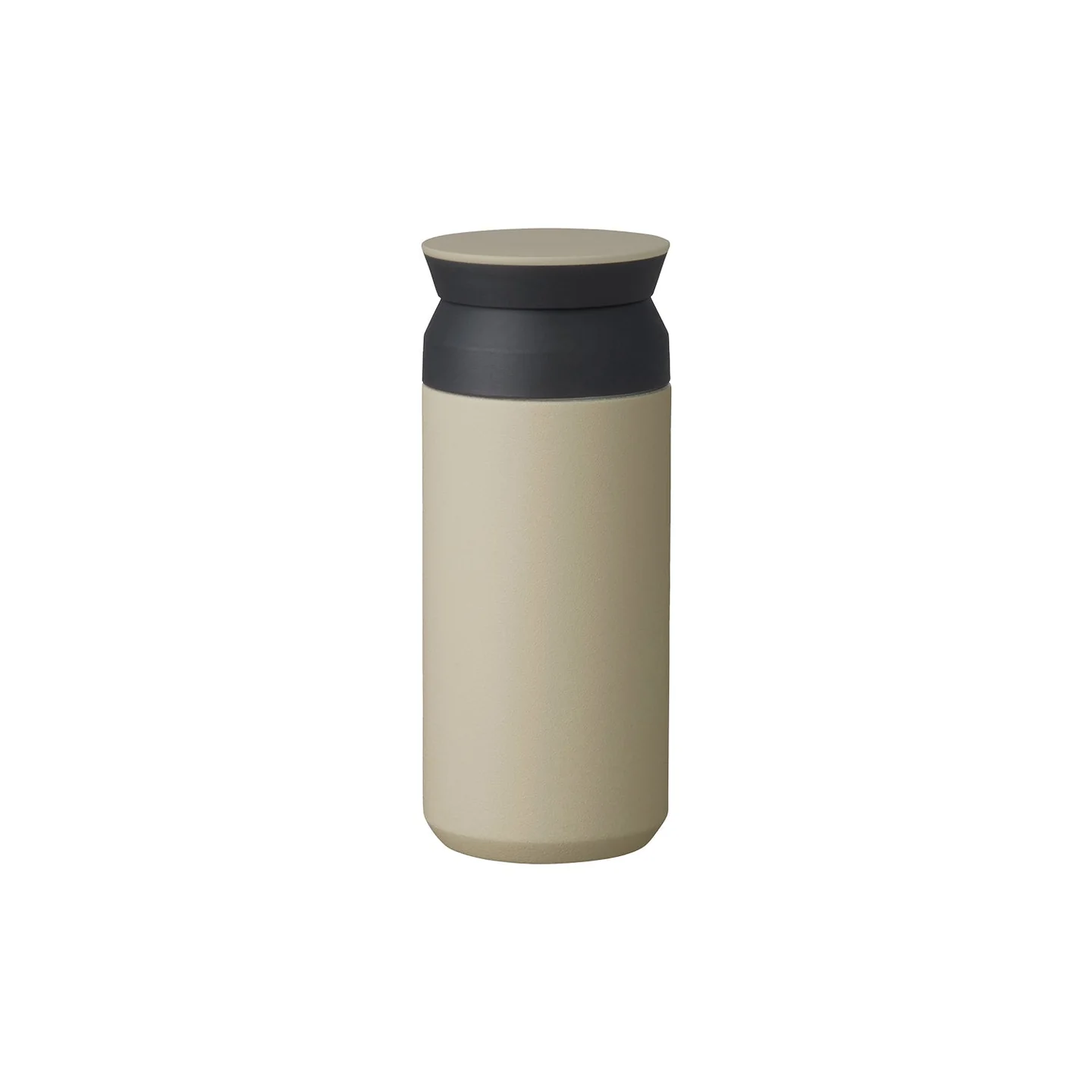
For a smaller cup
KINTO Travel Tumbler 350 ml
A compact insulated tumbler for the coffee or tea you already make. The 350 ml size keeps the ritual easy to take along.
Shop KINTO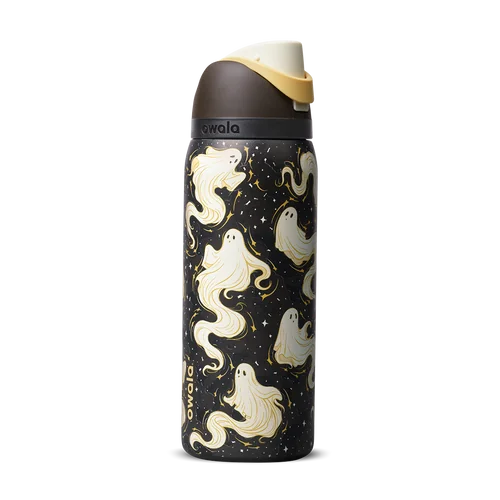
For water within reach
Owala FreeSip 32 oz — Round We Ghost
A reusable 32-ounce bottle for the water you want close at hand. The pictured FreeSip is the Round We Ghost colorway; check current color availability.
Shop Owala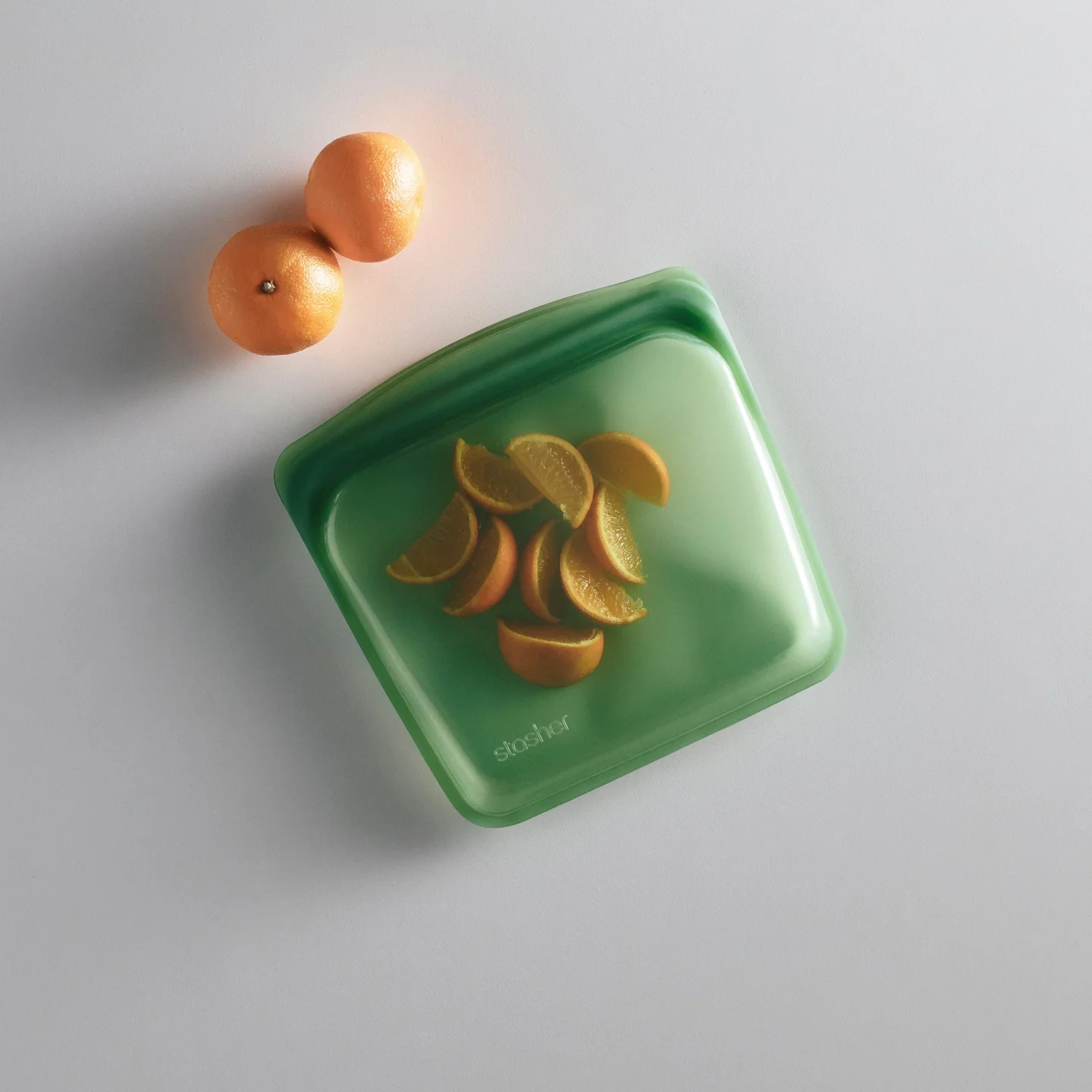
For the afternoon pause
Stasher Sandwich Bag
A reusable silicone sandwich bag for a sandwich, fruit, or a handful of crackers. Keep perishable fillings appropriately chilled.
Shop StasherKeep the ritual when you reduce the stimulant
If you decide to cut back, consider reducing the amount gradually instead of interpreting every tired morning as proof that you need your old dose. MedlinePlus describes headache, drowsiness, irritability, nausea, and difficulty concentrating as possible withdrawal symptoms after suddenly stopping regular caffeine. Notice the timing and seek advice if symptoms worry you or persist.
The replacement should preserve what you liked about the pause. Half-caf can keep the taste familiar; a warm drink can keep the walk away from the screen; a decaf order can keep the café catch-up. The coffee-nap discussion in The Everygirl is a reminder of how readily a pleasant drink becomes an energy strategy. You do not need a new hack every time the day feels flat. Sometimes the useful change is a dependable lunch, a shorter meeting, and an earlier last cup.
Try an earlier last cup
Keep your morning routine steady and move the final caffeinated drink earlier. Give the experiment several typical days and note how bedtime and the next morning feel. Change one variable so you can tell what you are noticing.
Keep a decaf option, a favorite tea, or a hot drink without caffeine for the later pause. If you decide to cut back substantially, reducing gradually may make withdrawal symptoms easier to manage. The mug, the walk, and the conversation can remain.
A coffee routine you can adjust
- Choose a serving size you recognize instead of letting every order become larger.
- Look up the caffeine amount when a new drink becomes a daily habit.
- Protect the last part of the day from an automatic refill.
- If symptoms persist, bring your caffeine log to a medical appointment rather than treating every tired day with more caffeine.