A seasonal edit is most useful when it begins with a small annoyance: a dark reading corner, lunch that leaks, or a layer you keep borrowing. Start there. The products worth considering are the ones that answer a real question about the way you spend your days.
Make a use-it-often list before a wish list
Write down what you have repeatedly reached for in the last two weeks. Then note anything that is worn out, missing, or difficult to use. An everyday purchase has a clearer job when it comes from that list.
Keep the list short. If you cannot explain where an item will live and when you will use it, save the link and wait. The act of collecting possibilities does not need to become the act of buying them.
Write a one-sentence brief for the object
A useful brief names the problem without naming a purchase. I want to read comfortably after dinner is a better starting point than I need a new lamp. I need to carry lunch without spills is more useful than I need the container from the photograph. The first version leaves room for a solution you already own.
Put the brief beside the saved link. Add where the item would live, how often it would be used, and what it would replace. If you cannot fill those spaces, the idea may still be pleasant to collect, but it is not ready to buy. The Good Trade's capsule-home discussion makes repeated use a useful lens for household objects. Apply that lens to your own space rather than attempting to reproduce another person's capsule. A considered edit starts with the job an object will do on an ordinary evening.
Sources: [1]
For lighting, check the corner rather than the mood board
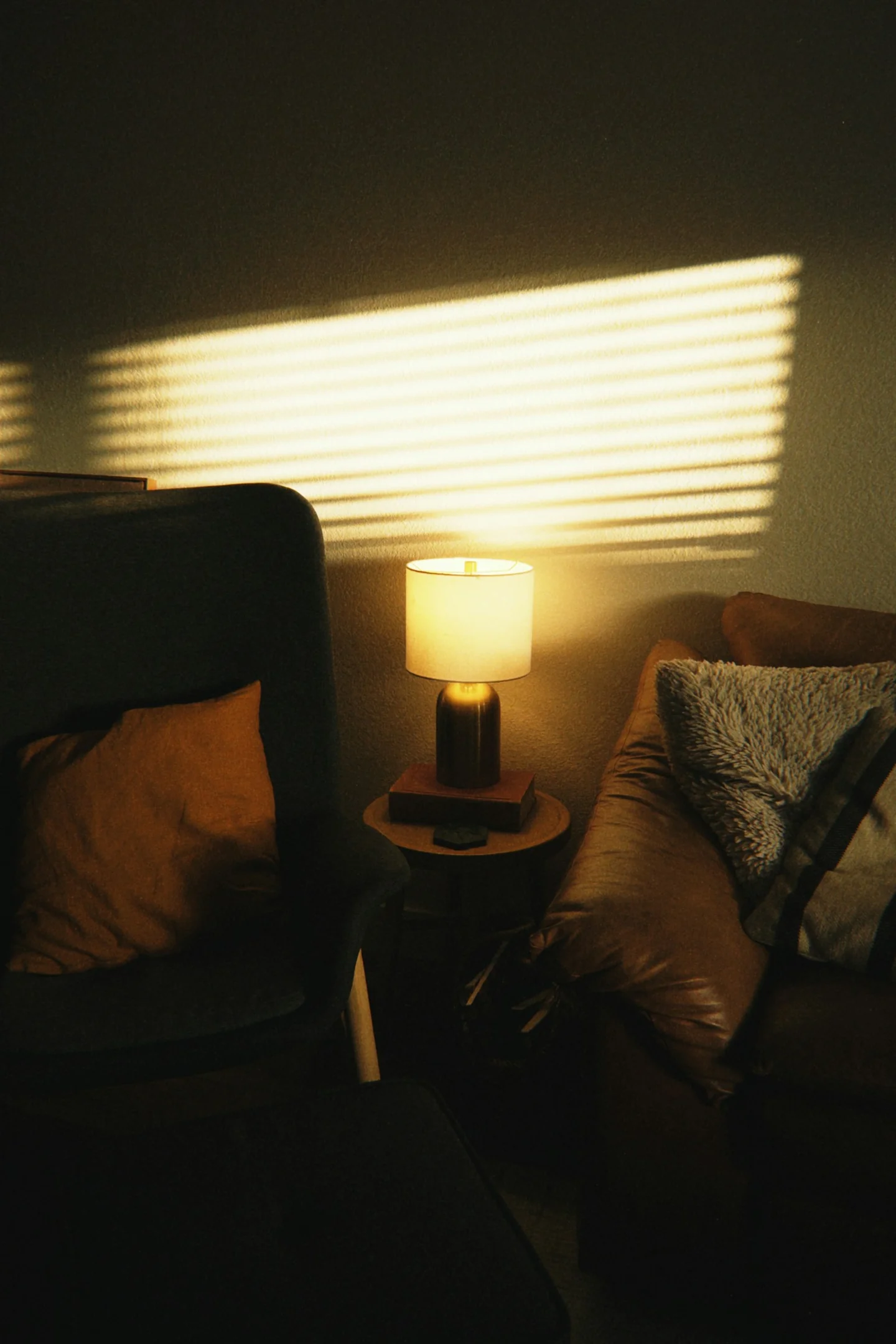
Sit in the place where you want to use the light. Notice the socket, the route of the cord, and whether the light would shine into your eyes or onto the page. Measure the surface before comparing lamp dimensions. A large globe may look delicate in a spacious product photograph and crowd the small table beside your actual chair.
Check the bulb requirements, whether a bulb is included, and whether the replacement type is easy to obtain. Consider the control: would a switch on the cord be reachable, or would you have to move the chair? These details are less photogenic than the glow, but they determine whether the lamp becomes part of the evening. Try an existing lamp in the location first if possible. You may discover that placement solves more of the problem than a different design.

For the kitchen, follow a meal from storage to cleanup
The Everygirl's fall kitchen reset is a useful prompt to review how the room works as routines change. Choose one meal you make repeatedly and trace its steps. Where are the ingredients? Which pan do you reach for? What slows cleanup? Buy only after you can identify the point where an object would help.
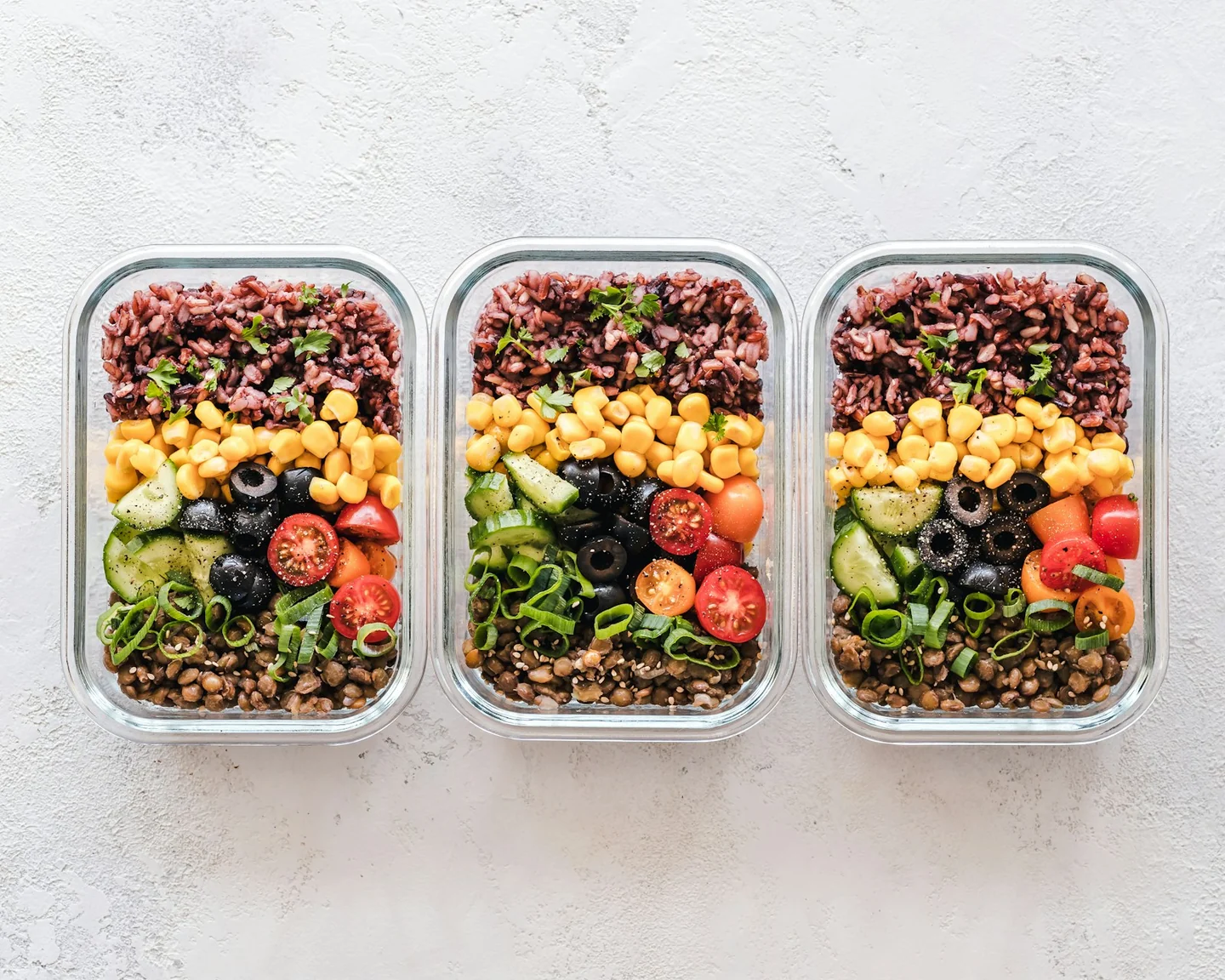
For a food container, check the size against a real portion, the lid against the way you carry it, and the instructions against the heating and washing equipment you use. For a pan, check its dimensions, compatible cooktops, weight, and care requirements. A versatile product is only versatile if its uses match your meals. If the problem is that the useful pan is buried under rarely used equipment, reorganizing the cupboard may be the more effective change. A seasonal kitchen refresh can be a clearer shelf rather than a new collection.
Sources: [2]
The IHE Edit
Three useful additions for fall
A softer-lit corner, coffee for the commute, and a place for the snack you actually want to bring. Choose the one that solves something in your day.
For softer evenings
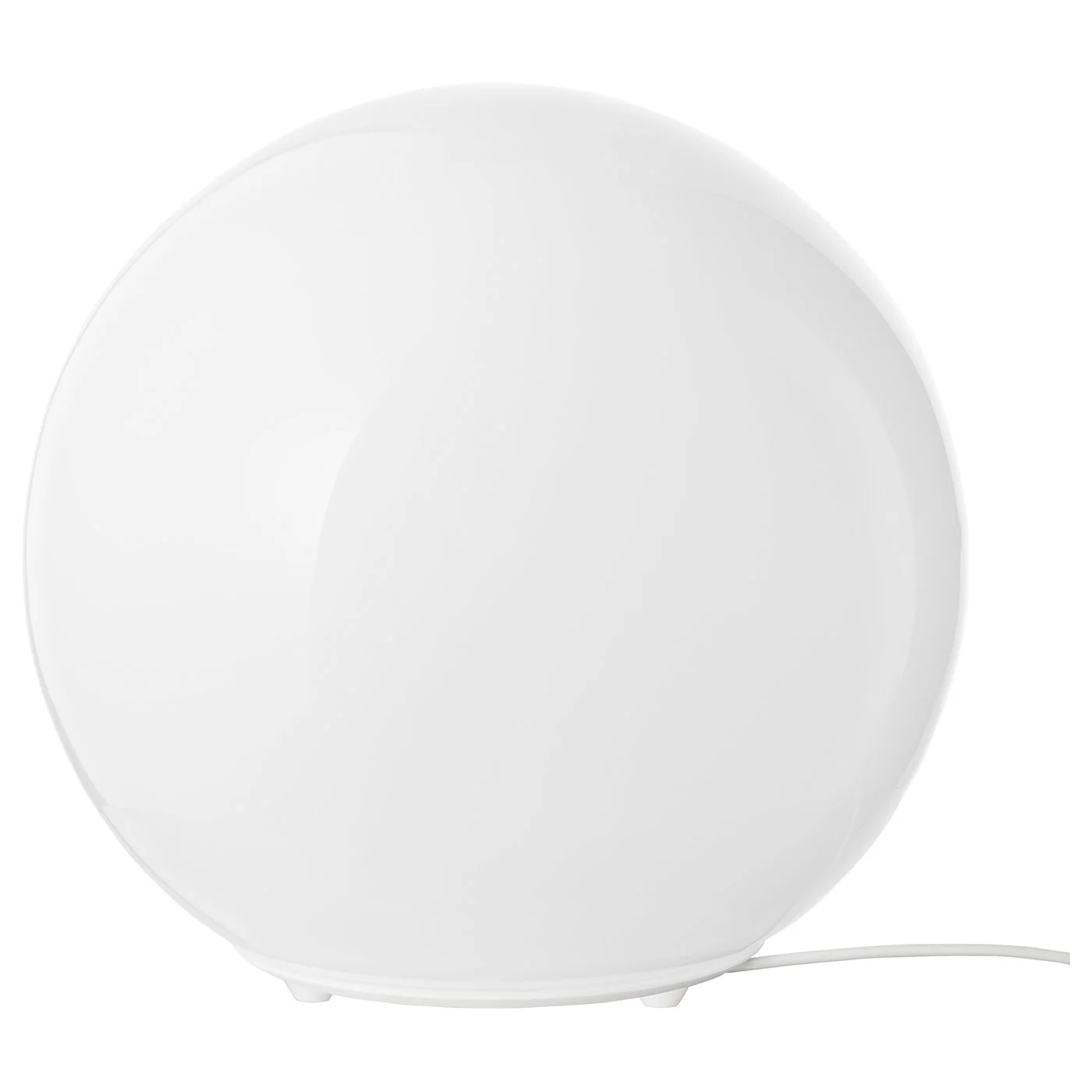
IKEA FADO Table Lamp
$29.99
A 10-inch white-glass globe for a softer pool of light beside the sofa. Leave a little room on the table; the bulb is sold separately. Regular price shown.
Shop IKEA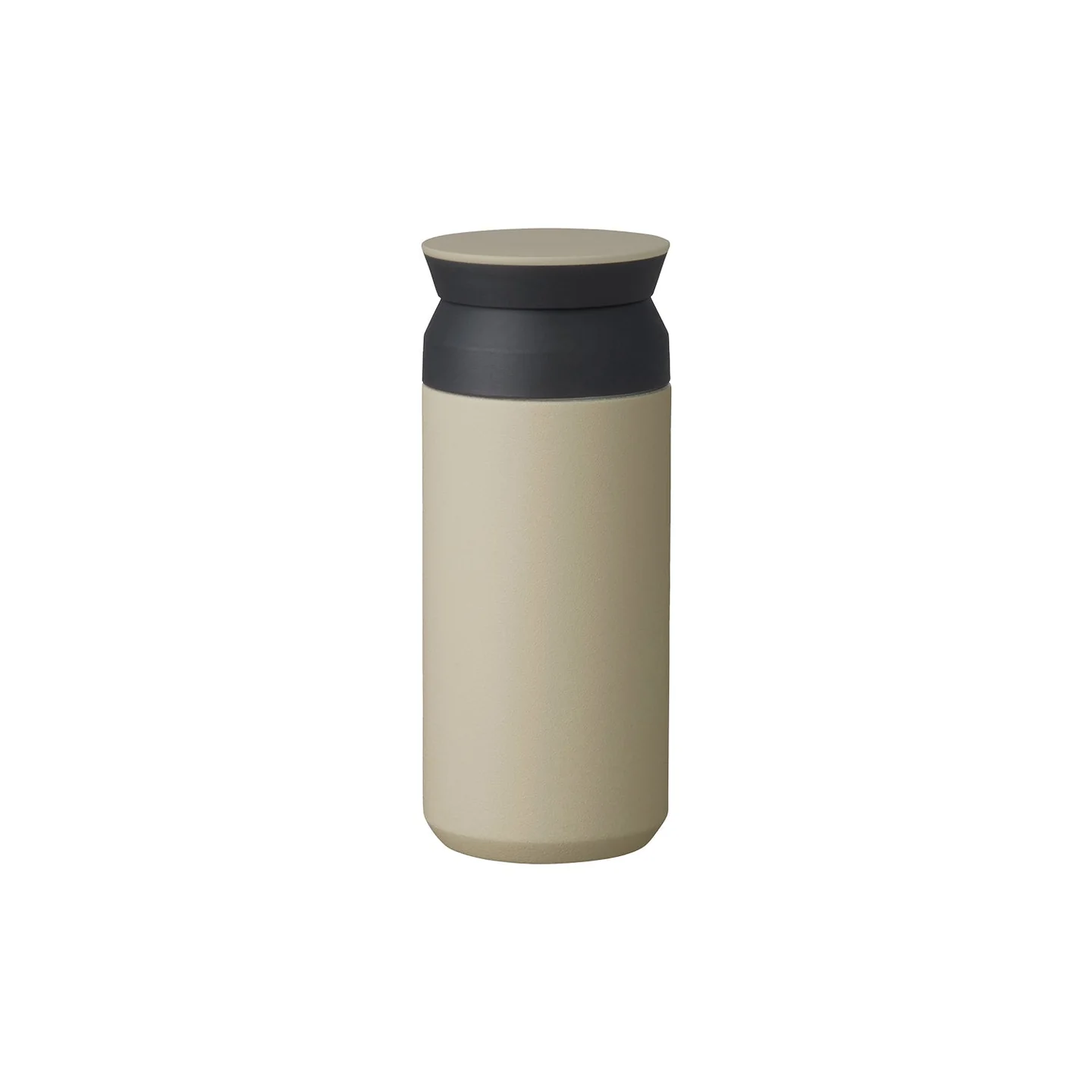
For the morning commute
KINTO Travel Tumbler, 350 ml
$34.20
A compact insulated tumbler for the coffee or tea you already make. The 350 ml size suits a smaller drink without adding a bulky bottle to your morning.
Shop KINTO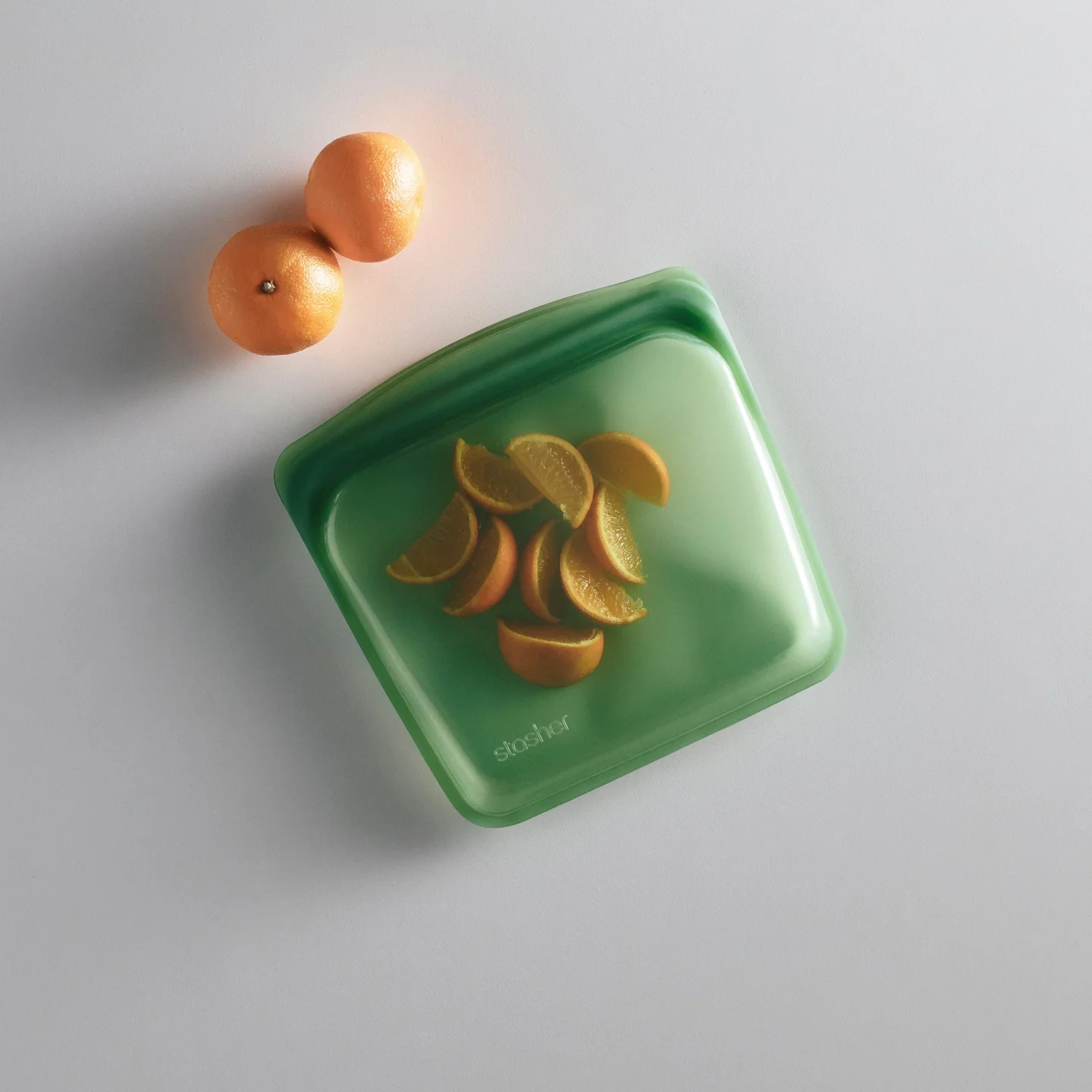
For the afternoon snack
Stasher Sandwich Bag
From $11.19
A reusable silicone bag for a sandwich or cut fruit when the day takes you out. Useful for packing the snack before the afternoon gets away. Price varies by color.
Shop StasherPrices in USD, checked October 17, 2026. Prices and availability may change.
Count the supporting purchases before you decide
A chair that needs a new table, a lamp that needs an extension lead, and a sweater that needs specialist cleaning have costs beyond the checkout total. Make those dependencies visible. Include delivery, care, return conditions, and the space required to store the item. If the supporting list keeps growing, return to the original brief.
Choose a waiting period long enough to try the simpler option. Use the container you own on two commutes, move the existing lamp for a few evenings, or wear the older layer with a different outfit. Then ask whether the problem remains. A purchase that still has a clear job after that trial is easier to assess on its own merits. You do not need to stop enjoying beautiful objects. You can enjoy them while allowing only the useful ones to become responsibilities in your home.
Let personal care follow a specific need
If your skin feels dry, compare the texture and directions of a moisturizer you can use consistently. Do not assume every season requires a new set of actives. Finish what suits you and introduce a change only when there is a reason.
For clothing, consider the layer you would reach for repeatedly rather than the look that needs several additional purchases. Check the care label while you are still deciding.
Give the saved cart a pause
Wait long enough to try the simpler solution. Borrow the lamp, reorganize the shelf, or use the pan you already own for the meal you keep postponing. If the need remains, the purchase will have a better brief.
This edit is intentionally about fewer decisions. Choose something with a clear place in your week, then let it become ordinary. The best useful object eventually stops asking for attention.