
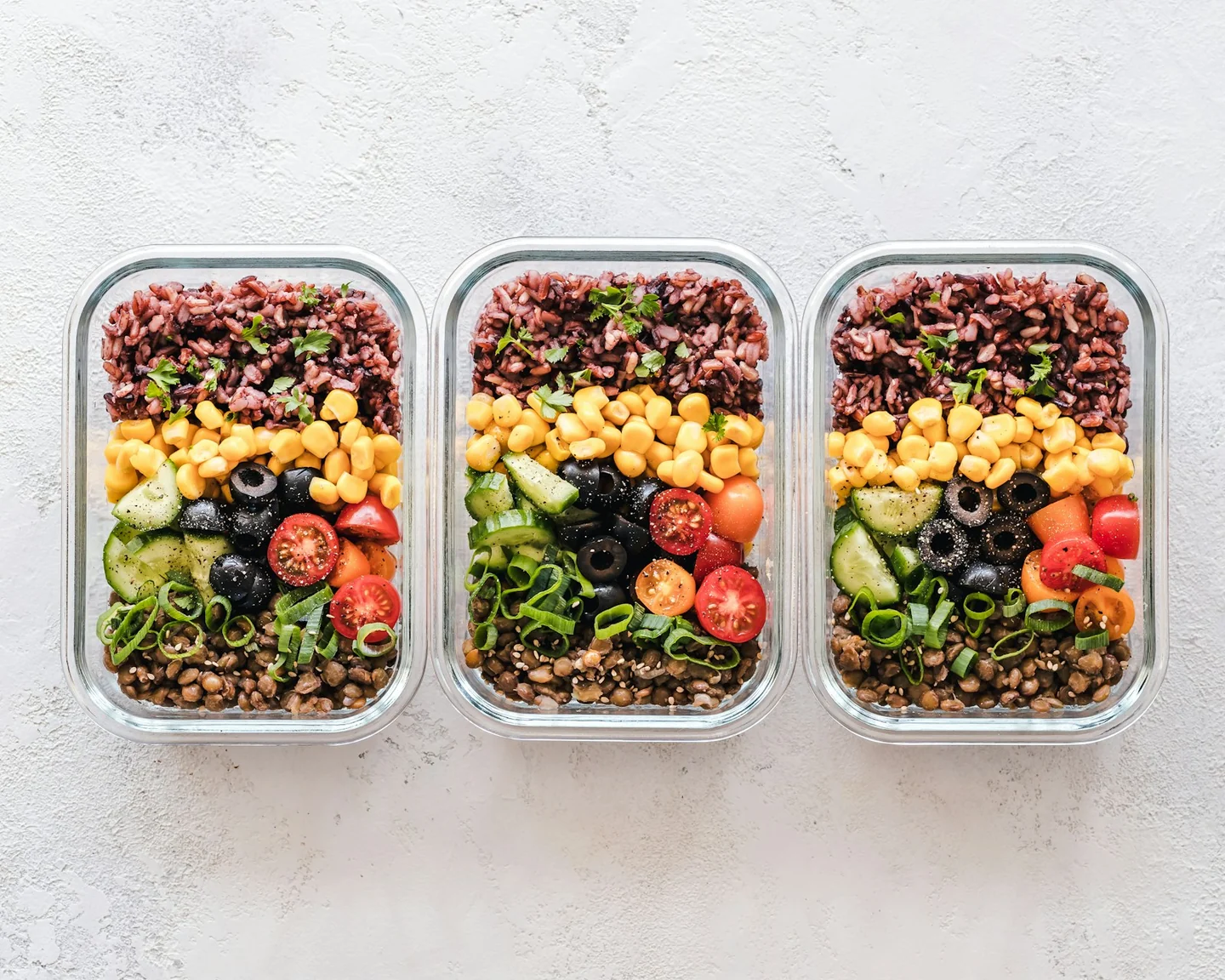
A good meal plan should survive a meeting that runs late and a refrigerator that is not perfectly styled. Instead of dividing food into clean and unclean, build a kitchen around what helps you eat regularly, enjoy your meals, and use what you buy.
1. Start with meals you already like
List three dinners you would happily repeat. Keep their core ingredients on one short shopping list, then change a sauce, vegetable, or side when you want variety. Familiarity is useful: it cuts the number of decisions between arriving home and eating.
A plan is easier to follow when it includes taste, budget, and the people at your table. Leave room for packaged shortcuts and takeout. They can be part of an ordinary week without turning the rest of the week into a correction.
Before choosing food, count the meals you will actually eat at home. A dinner out, a late commute, and lunch with a friend change the shopping list. The EPA recommends planning around the meals you expect to prepare and checking what is already in the refrigerator, freezer, and pantry. That small inventory can prevent a second bag of greens from becoming next week's guilt.
Make the plan specific enough to use: two dinners that create leftovers, one quick meal, and a flexible evening. Choose quantities for those meals rather than filling the cart with ingredients that look generally healthy. If you share the kitchen, ask which meals people want to join before buying for them. A plan built around the household you have is more informative than a seven-day menu built around the household in a video. Leave at least one easy option for the evening that changes.
Sources: [3]
2. Prepare components instead of identical boxes
Cook one grain, wash produce that keeps well, and make a simple sauce. Store the pieces separately so they can become a bowl, a wrap, or a side dish. The same ingredients can feel different when the format changes.
Label leftovers with the date and follow food-safety guidance for storage and reheating. Component prep should reduce the work of dinner, not create a refrigerator full of ambitious projects you are afraid to open.
A component plan gives a few ingredients several destinations. Rice can accompany beans one evening and become a bowl with an egg another. Roasted vegetables can go beside dinner, into a wrap, or onto toast. Keep sauces and crunchy additions separate when that suits the ingredients, so a second meal does not feel like the remains of the first.
For a practical starting set, choose one base, one protein option, two vegetables, and one sauce you like. This is a kitchen organization tool, not a dietary prescription. Change the ingredients for your tastes, culture, allergies, and needs. A jar of beans or frozen vegetables can do useful work here. The value is in making combinations easier to see, not in requiring every component to be prepared from scratch. If preparation takes so long that you avoid repeating it, reduce the number of components before buying better containers.
3. Put the backup meal where you can find it
Choose a meal that relies on ingredients you usually have: beans with toast and vegetables, pasta with a freezer staple, or eggs with rice. Keep the ingredients together on the list.
The backup matters most when the plan changes. Give it equal status to the recipe you saved from an elegant kitchen. It is doing the same job: feeding you.
Write the backup down in the form you will use it: pasta, frozen vegetables, and the sauce already in the cupboard; beans, toast, and an easy side; or a ready meal you enjoy. Keep the necessary ingredients available and check them when you write the shopping list. It should not rely on a fresh herb you always forget or a pan that needs an elaborate cleanup.
The backup deserves the same place on the plan as the meal you are excited to cook. It is especially useful after a delayed train, a difficult appointment, or a day of caring for someone else. If ordering food is the practical option, include it in the budget instead of treating it as a moral failure. A routine becomes more dependable when it contains several ways to get fed. The point of simplifying everyday eating is to reduce friction, not to create a stricter definition of doing dinner correctly.

The IHE Edit
Three tools for ordinary meals
Cook a component, save the small extra, and pack what you already like eating.
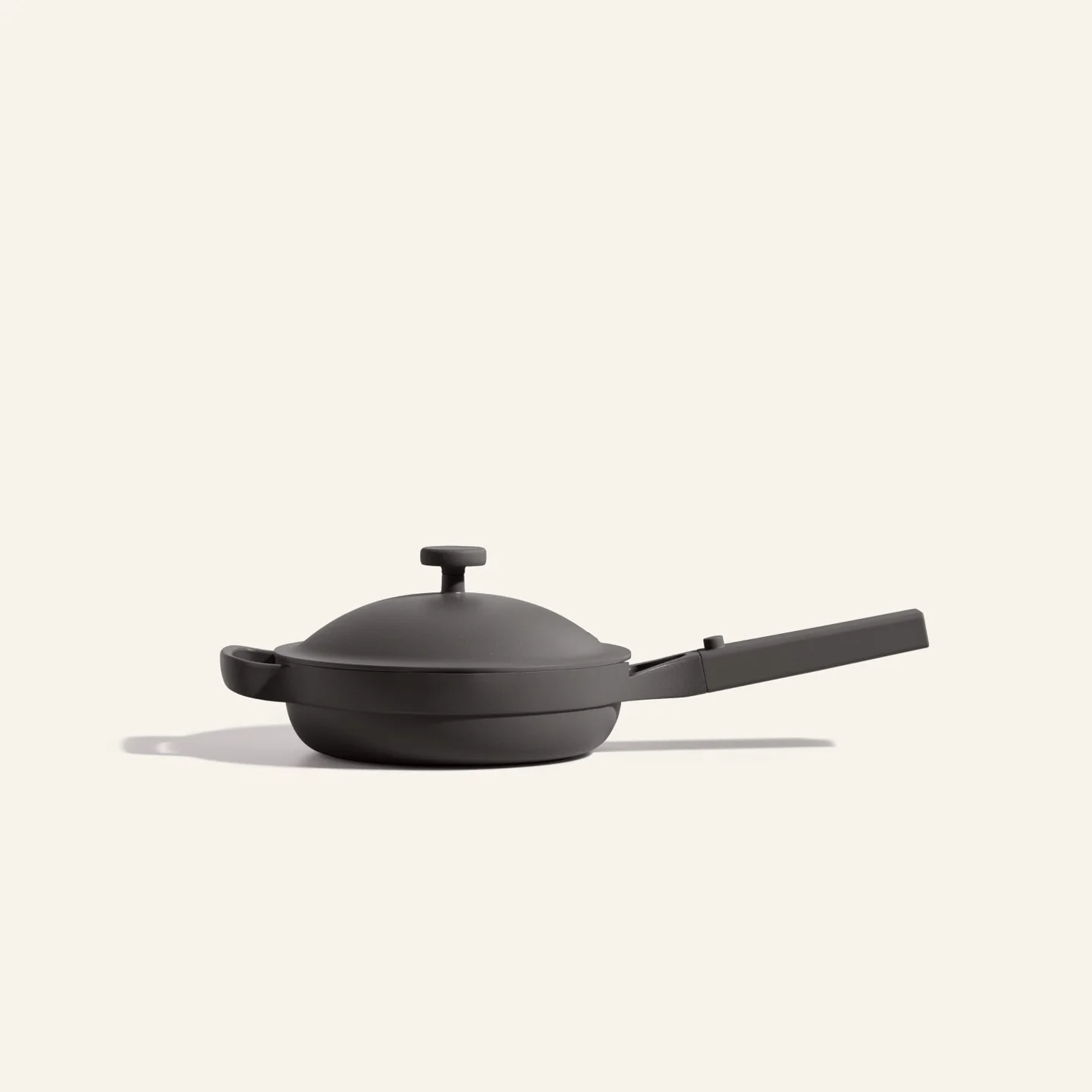
For a quick dinner
Our Place Mini Always Pan
A smaller pan for an ordinary dinner or reheating a component you prepared earlier. Check its dimensions against the portions you usually cook.
Shop Our Place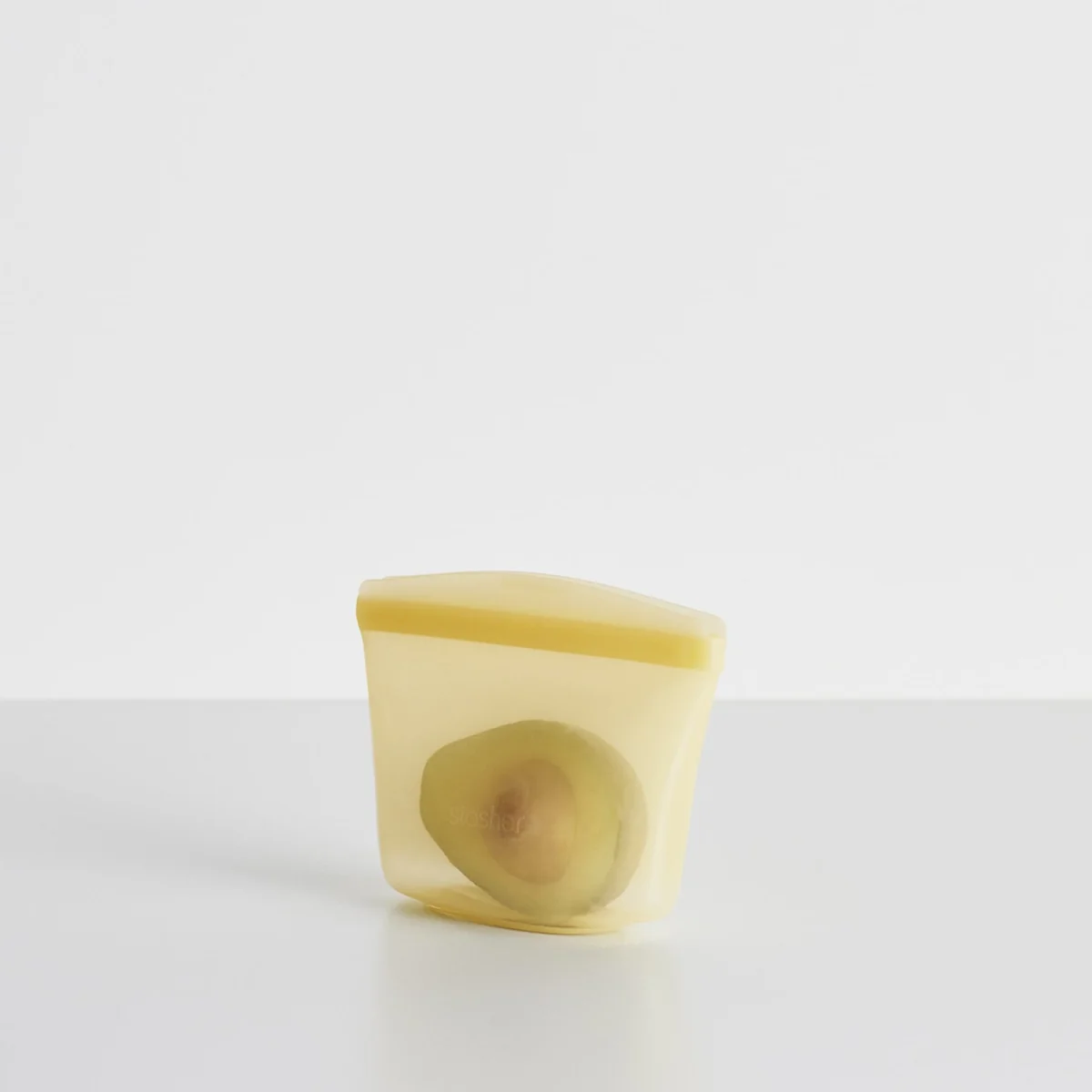
For a little leftover
Stasher 1-Cup Bowl
A small, reusable silicone bowl for a portion of trail mix or cut fruit. Its one-cup capacity works for a snack or a little leftover.
Shop Stasher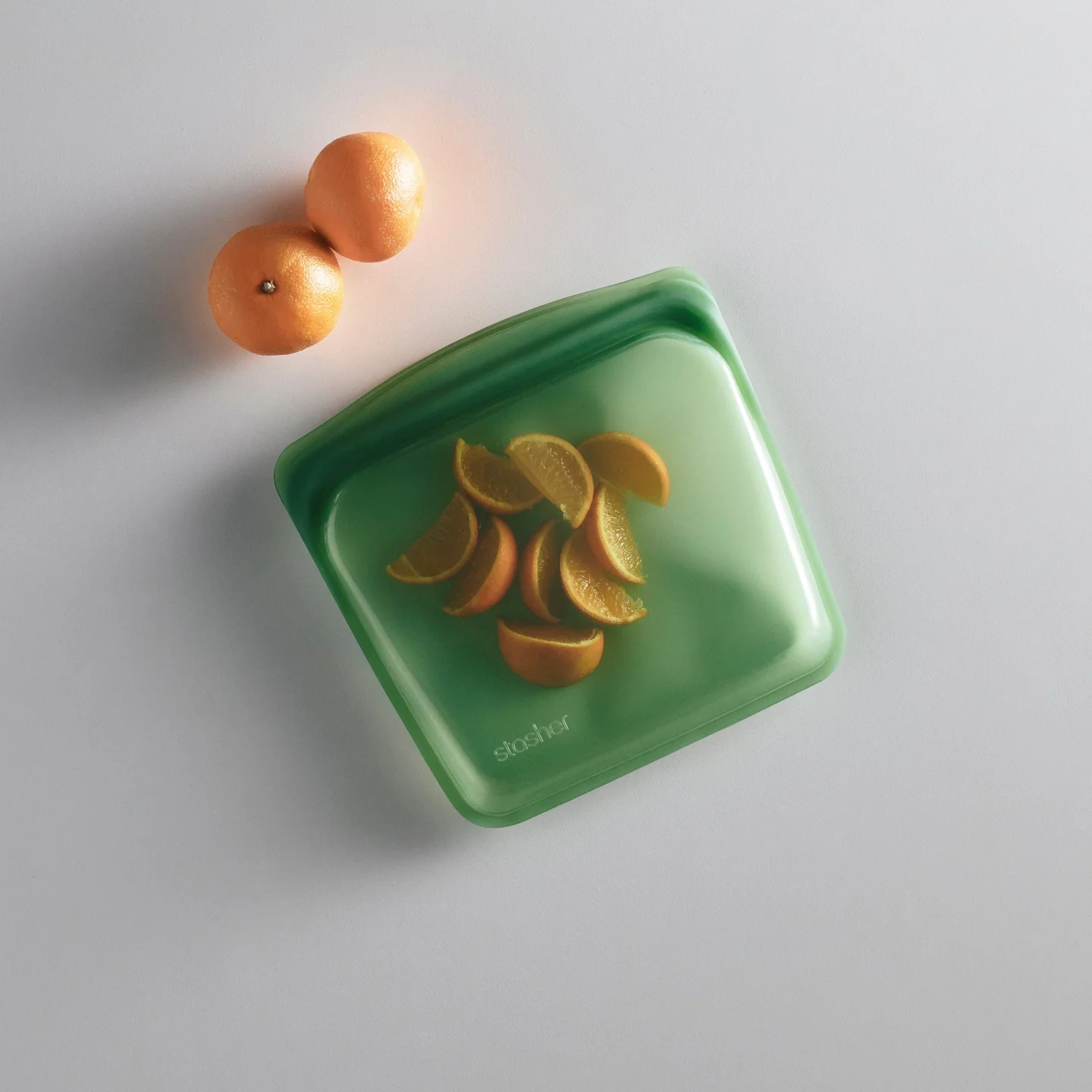
For taking it with you
Stasher Sandwich Bag
A reusable silicone sandwich bag for a sandwich, fruit, or a handful of crackers. Keep perishable fillings appropriately chilled.
Shop Stasher4. Make one shelf easy to read
Group items by how you use them and bring older ingredients forward. Before shopping, check that shelf and write a small use-first list. Buying fewer duplicate jars can be a more useful kitchen upgrade than replacing every storage container.
Leave enough open space to see what is there. A food system that requires unpacking three bins to find lunch will not feel simple for long.
The Good Trade's meal-planning essay connects the logistics of feeding yourself with enjoyment and flexibility. Use that perspective when you check leftovers. Pick one visible place for food that needs a plan, and look there before choosing the next recipe. Do not hide it behind the ingredients for a more exciting idea.
An ordinary example: a portion of cooked rice, half a cucumber, and a jar of chickpeas suggest a bowl or a wrap. They do not demand that you invent a restaurant dish. Add something that makes the combination appealing, then put the remaining ingredients back where you can see them. If food is unsafe or you are unsure about its storage, do not use it simply to avoid waste. The useful habit is deciding sooner, while the food is still suitable, rather than turning questionable leftovers into a test of responsibility.
Sources: [2]
5. Keep one meal flexible
Plan a loose meal around what remains at the end of the week. A soup, tray bake, sandwich, or mixed bowl can give small leftovers a place. Start with what needs using, then add what makes the meal appealing.
You do not need to prove discipline through dinner. The routine has succeeded when it makes feeding yourself and your household easier to repeat.