Before the day becomes a sequence of screens, there may be room for a few minutes outside. It does not need to be a sunrise hike or a carefully timed wellness experiment. A small encounter with the morning can simply make the day feel more distinct from the night before.
Attach it to a route you already take
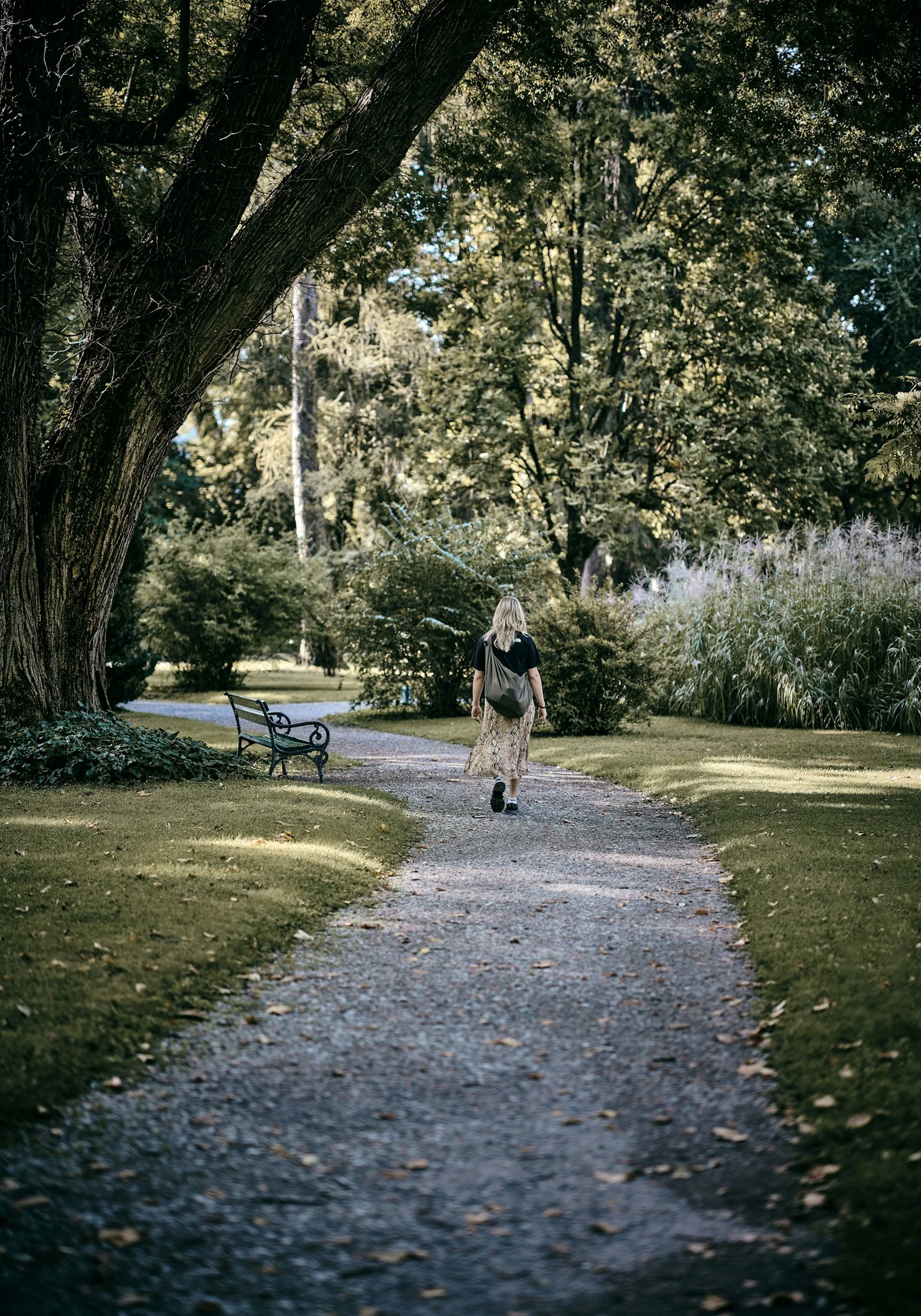
Try the short walk to get a drink, a loop before beginning work, or a few quiet minutes in an outdoor space you can access. Pick a route that suits the weather, safety, and your available time.
The habit becomes easier when it does not require a special destination. If a longer outing is unrealistic, begin with a shorter version. A morning routine should not create a new source of lateness.
Light tells the body something about time
The sleep-wake cycle involves both accumulating sleep pressure and the body's internal timing system. The NHLBI explains that light is an important environmental cue for that system. That makes daylight relevant to daily rhythm without turning a morning walk into a complete explanation of sleep. Sleep opportunity, health, and the schedule across the day still matter.
For an ordinary routine, think of the outing as a consistent cue rather than a dose you have to measure perfectly. Pair it with something that already marks the start of your day. You can notice whether the habit makes the morning easier to enter without claiming that it proves a hormone level changed. A pleasant experience is a useful observation in its own right. Keep the explanation proportionate: light participates in timing; one habit does not diagnose or resolve every reason someone feels tired.
Sources: [2]
Timing becomes more specific when the schedule is unusual
A regular daytime schedule, a night shift, and a flight across several time zones do not place the body in the same situation. The CDC's jet-lag guidance explains that light timing can shift circadian rhythms differently depending on when the light occurs and the travel direction. That is a reason to be cautious with a universal instruction to seek the brightest light immediately after waking.
If your schedule is unusual or a sleep problem is persistent, ask for advice suited to the schedule rather than extending a casual morning-walk suggestion into a treatment plan. Describe your actual sleep and work hours. A person leaving a night shift may be trying to prepare for sleep, while a person beginning a day shift is doing the opposite. The same clock time cannot supply all the relevant context. The simplest habit is helpful only when it serves the timing you actually need.
Sources: [3]

Make the route shorter than your resistance to starting
Choose a loop with a clear return point. It might be the corner shop, the end of the block, or an accessible outdoor seating area. Prepare the ordinary details: shoes, a layer for the weather, and enough time to return without rushing. If the habit requires a new outfit, a drive, and a perfect forecast, it may have become larger than its purpose.
The Everygirl's personal account of morning sunlight is an example of how a routine can feel worthwhile. Your version need not reproduce the author's schedule or experience. On a busy morning, combine the outing with a task you already planned. On a quieter one, leave the phone in your pocket and notice the surroundings. Choose for safety and access first. The route should be something you can repeat, shorten, or skip when needed, rather than a daily performance that makes the rest of the morning more difficult.
Sources: [1]
The IHE Edit
Three things for an easier morning walk
Water for the route, a warm drink to take with you, and daily sun protection. A short walk needs very little; choose only what earns a place in yours.
For water along the way
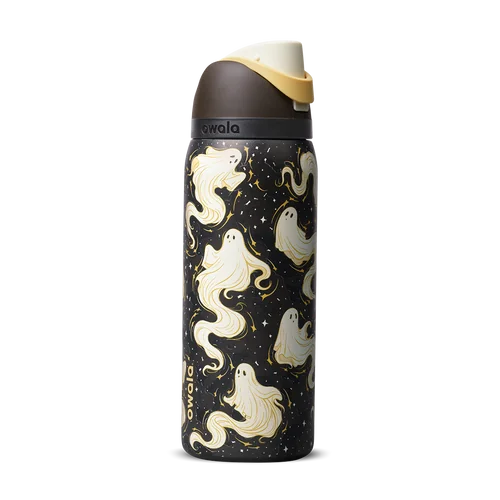
Owala FreeSip 32 oz — Round We Ghost
A reusable 32-ounce bottle for the water you want close at hand. The pictured FreeSip is the Round We Ghost colorway; check current color availability.
Shop Owala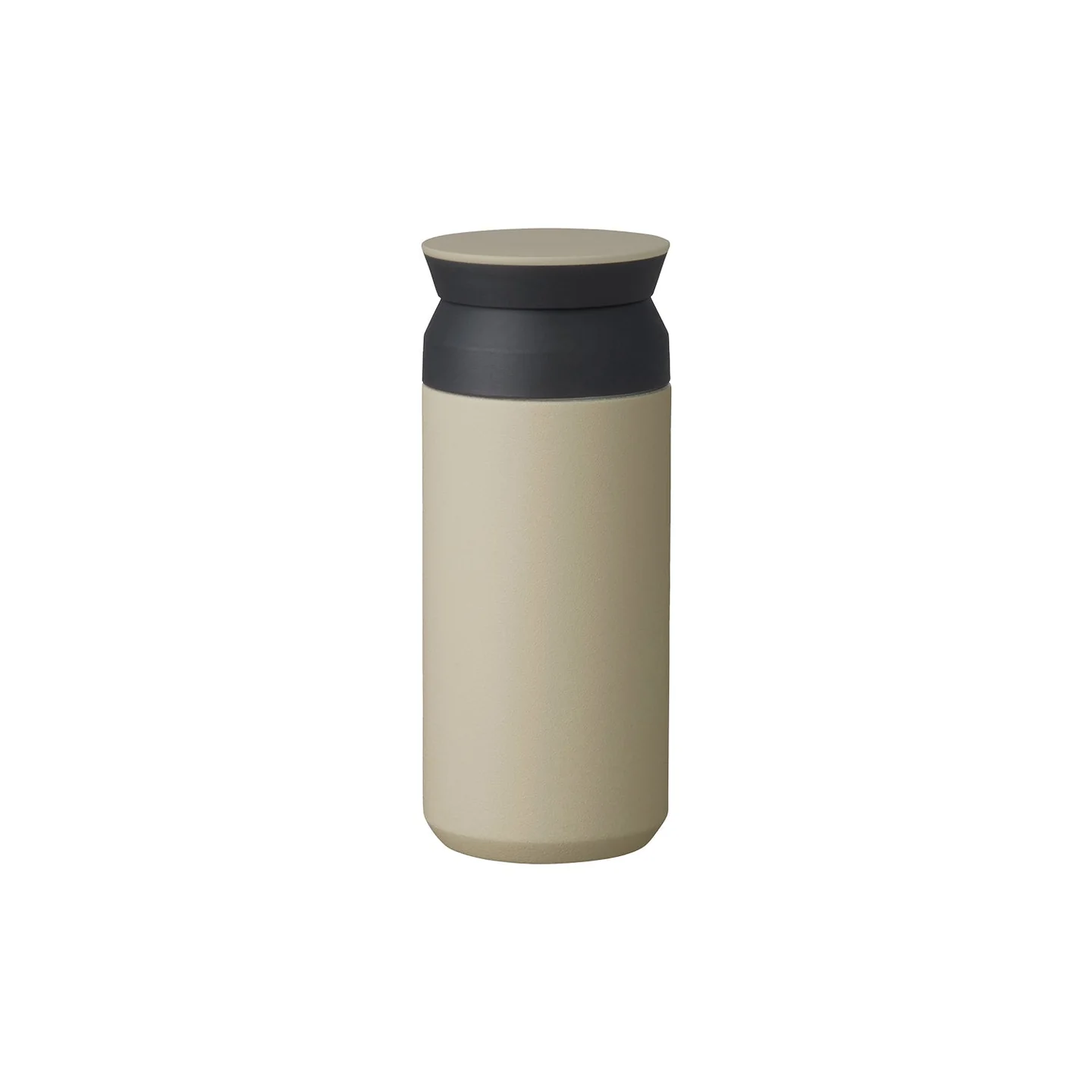
For the coffee-shop loop
KINTO Travel Tumbler 350 ml
A compact insulated tumbler for the coffee or tea you already make. The 350 ml size keeps the ritual easy to take along.
Shop KINTO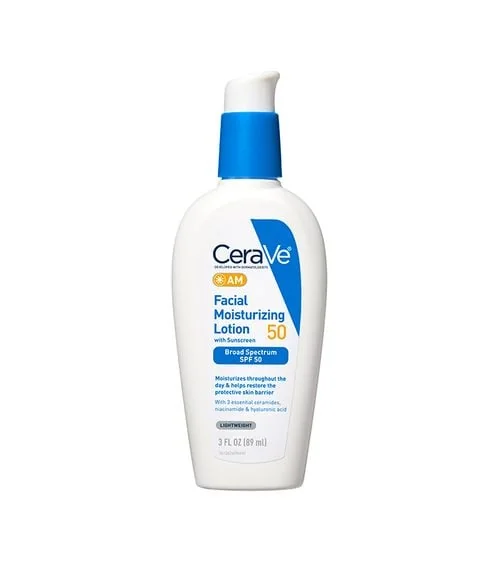
For everyday sun protection
CeraVe AM Facial Moisturizing Lotion SPF 50
A daytime moisturizer with broad-spectrum SPF 50. Apply and reapply according to the label; choose a water-resistant sunscreen for swimming or sweating.
Shop CeraVeKeep pleasure and evidence in separate sentences
You can say that the walk makes your morning feel calmer or more distinct if that is what you notice. That is different from saying it cured a sleep disorder or corrected a biological marker you did not measure. Keeping those sentences separate makes the habit easier to enjoy without asking it to deliver a medical outcome.
Try a small review after a week: did you remember the cue, did the route fit, and did you like the pause? If it made you late, shorten it. If the route was unpleasant, choose another. If outdoor access is limited, acknowledge the limit rather than assigning yourself a failure. Keep ordinary sun protection and never stare at the sun. When tiredness persists, bring it to a medical conversation. A useful morning can contain daylight, breakfast, and unfinished questions without turning any one of them into a cure.
Let the walk belong to you
Leave the productivity podcast for another time if you want the pause to feel different from work. Notice a tree, the air, or the streets becoming busy. You do not have to turn the outing into a counted achievement.
You can pair it with an enjoyable practical task: buying bread, walking the dog, or taking a slightly different route. The best cue may be something you would want to do even without a wellness claim attached.
Have a version for the difficult mornings
Rain, caregiving, disability, or an early shift can change what is possible. Adjust the habit and avoid treating access to outdoor time as a measure of discipline. Make the next available morning the place to begin again.
At the end of a week, ask whether the pause made the start of the day feel clearer or more pleasant. That is enough reason to keep it, without asking it to solve every problem in your sleep routine.