

A new season can invite a fresh start without demanding a new identity. If the reset begins with a long list of things you ought to become, shrink it. Choose a few changes that would make next Tuesday easier, then let the rest of the season arrive.
Fix one place where the day gets stuck
Pick the surface that repeatedly collects unfinished decisions: the kitchen counter, the chair beside the bed, or the desk’s loose papers. Remove what belongs elsewhere and give the remaining objects a clear home.
Stop after that one area. A reset does not have to reveal every neglected cupboard. You want a visible improvement that you can maintain, not a room full of piles waiting for another free weekend.
Decide what the afternoon is allowed to accomplish
A seasonal reset can expand until it includes the entire home, every habit, and the next three months. Give this one a smaller brief: one area made usable, one pressure point reduced, and one pleasant thing prepared. Write those three outcomes down before opening a cupboard. They make it easier to recognize when the work is complete.
The Everygirl's seasonal reset guide provides a useful occasion to review different parts of life. Use the occasion without adopting every possible task. You may need a better place for shoes and nothing new for your skincare. You may need to move a recurring appointment and leave the wardrobe alone. A reset becomes practical when it responds to what is repeatedly difficult. It becomes overwhelming when the change of season is treated as evidence that everything should be reconsidered. Choose a scope that can end while the afternoon is still yours.
Sources: [1]
Use a bounded sort so the room remains livable
Choose one surface or one category, such as the papers on the desk. Make three temporary groups: keep here, move elsewhere, and decide later. Put the first group away, carry the second to its destination, and give the third a small container with a date for revisiting it. The undecided items should not take over the rest of the room.
Avoid emptying several cupboards at once unless you have the time and energy to finish. A useful reset leaves the place easier to use that evening. If twenty minutes is the available window, clear the counter and stop; do not start reorganizing the pantry because it becomes visible. Keep a bag or box for things leaving the home, and decide where they are actually going. Sorting is only part of the work. Returning the room to a usable state is the outcome.

Audit the transitions that make busy days harder
Look at the calendar for the moment between commitments, not only the commitments themselves. Is there enough time to get home, eat, or prepare for the next appointment? A day can look manageable while every transition is being borrowed from lunch or the evening. Mark the places where that happens repeatedly.
Choose one repair. Move an errand to a different route, arrange an easier dinner for the late day, or ask whether a recurring meeting can finish earlier. If a commitment cannot move, simplify what surrounds it. The reset is allowed to be administrative. Confirming a lift or preparing a meal can create more ease than buying a new planner. Write the change into the actual calendar while you are reviewing it; a good intention left in a notebook will not make space on Tuesday. The useful result is less friction at a known point in the week.
The IHE Edit
Three small additions for a reset
A brief check-in, a task with an end, and a corner that feels ready for the evening.

For a short check-in
Intelligent Change The Five Minute Journal
A journal with morning and evening prompts for a brief check-in. Useful if a little structure helps you begin; a blank notebook can work, too.
Shop Intelligent Change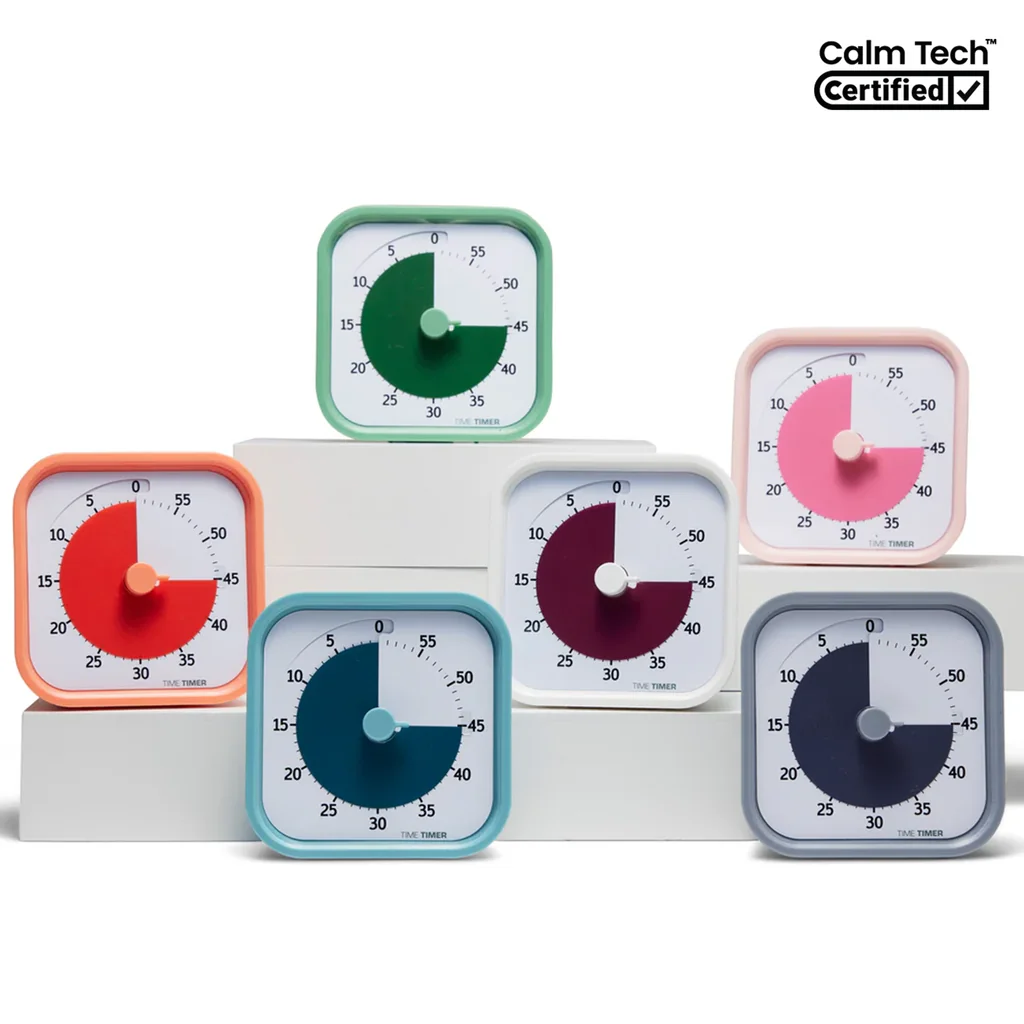
For a bounded sort
Time Timer MOD Home Edition
A visual timer for giving a work block, break, or small household task a clear end. Choose the interval around the job you actually need to do.
Shop Time Timer
For a softer evening
IKEA FADO Table Lamp
A white-glass globe lamp for a softer pool of light beside a sofa or bed. Check the footprint and choose the bulb separately.
Shop IKEAPrepare a welcome rather than a reward you must earn
Choose one thing that makes the evening feel available: a book on the cleared chair, a familiar soup ready to heat, or a lamp moved to the place you use. Set it up before the productive part of the afternoon consumes all your attention. The pleasant part should not depend on finishing every task.
At the end, review the three outcomes rather than looking for new problems. Is the chosen area usable? Has the pressure point changed? Is the evening comfort within reach? Take the answer as a stopping signal. Revisit the plan after a normal week and adjust the one detail that did not work. You can make another small change later without turning this reset into an ongoing campaign. A home and a routine stay responsive through modest repairs, not through one exhaustive afternoon of becoming a different person.
Make the evening easier to enter
Set up a small cue for the time after work: a lamp beside a chair, a book where you can see it, or a place to put the phone while you eat. Keep the cue welcoming rather than strict.
Decide what the short version looks like. On a crowded day, a few minutes reading may be enough. A routine that only counts when it lasts an hour will lose many ordinary evenings.
The afternoon reset
- Spend a short block on one surface.
- Review the busiest part of the coming week.
- Choose an easy meal for a late day.
- Put one evening comfort within reach.
- Leave the rest of the afternoon unassigned.