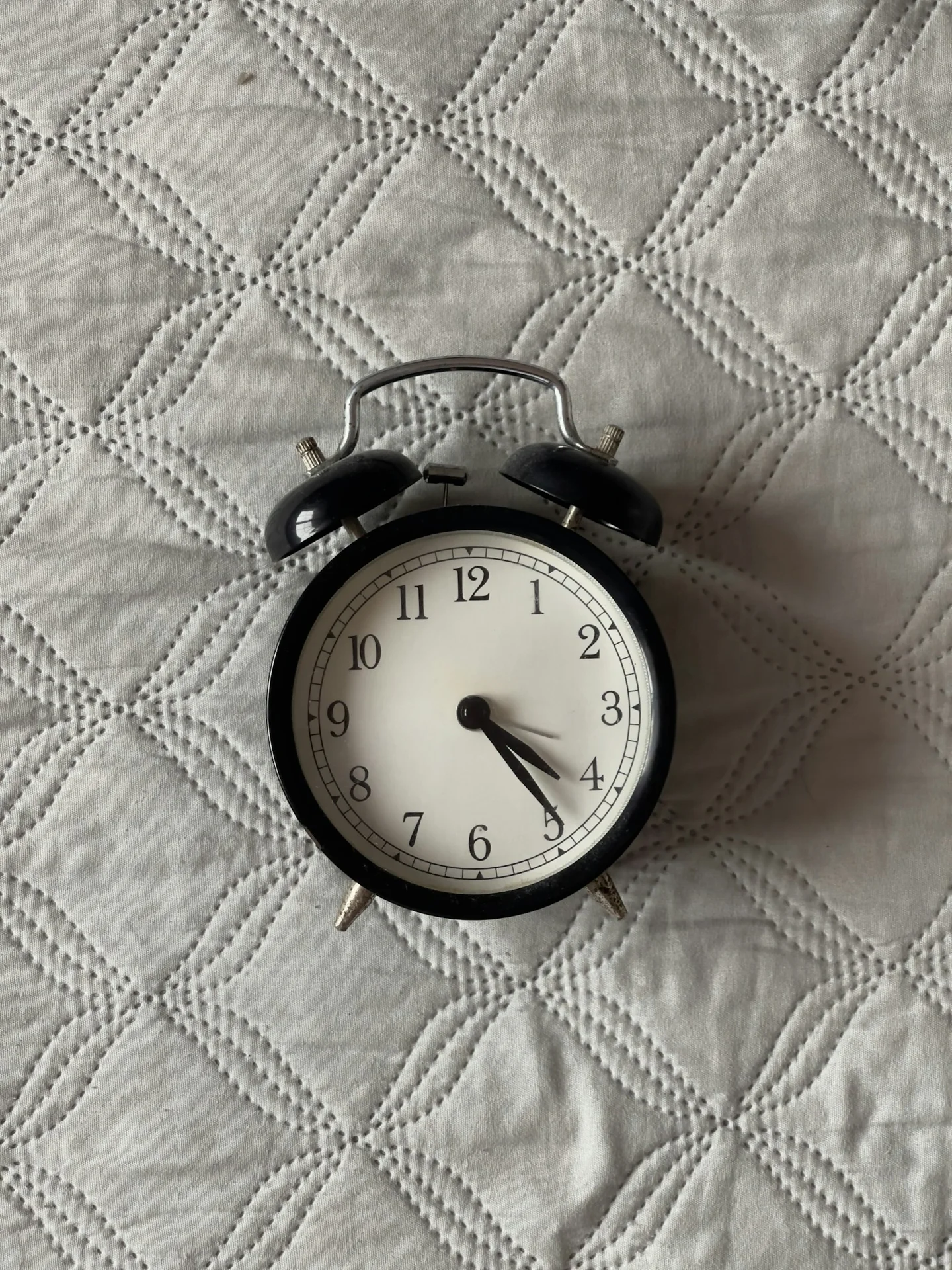

You got into bed at a reasonable time, stayed there for eight hours, and still woke up feeling like you could sleep for another four. Sound familiar?
While eight hours is often treated as the magic number for sleep, the amount of time you spend in bed doesn't necessarily tell the whole story. Sleep quality, diet, stress, and even certain health conditions can all influence how rested you actually feel the next morning. If you're consistently waking up tired despite getting what seems like enough sleep, here are a few things that could be happening.
Sleep ≠ Quality Sleep
Getting eight hours of sleep doesn't automatically mean those eight hours are quality enough to keep you rested. Your body cycles through different stages of sleep throughout the night, with each cycle lasting about 80 to 100 minutes, and interruptions to those cycles can leave you feeling tired even when you don't remember waking up.
Additionally, other factors like noise, light, bedroom temperature, screen time right before bed, or even a partner or pet moving around can cause small disruptions. You may not fully wake up, but those interruptions can still affect the quality of your sleep.
Your sleep schedule matters, too. Going to bed and waking up at dramatically different times from day to day or sleeping drastically different amounts each day can make it harder for your circadian rhythm to establish a consistent pattern. Circadian rhythm is extremely important to health, with chronic disruption leading to metabolic or mental health issues. In other words, eight hours of uninterrupted, well-timed sleep isn't necessarily equivalent to eight hours of restless sleep.
Your Diet
What you eat and drink throughout the day can influence how you sleep at night more than you think.
Caffeine is an obvious culprit, but it can play a much bigger role than making you stay up past your bedtime. Even if you feel that your afternoon coffee had no effect on your ability to fall asleep, the caffeine can remain in your system for hours after and potentially interfere with sleep quality, even if you don’t remember or feel its effects right away. Consistent caffeine consumption can build up these effects into constant fatigue. Another common offender is alcohol, which some people actually use to help them sleep. Though it can make you feel sleepy initially, it may disrupt your quality of sleep later in the night.
Your overall diet matters as well. Regularly skipping meals or not getting enough calories, protein, iron, or other essential nutrients can contribute to feelings of low energy during the day, regardless of if your sleep schedule is healthy or not. Dehydration can also leave you feeling sluggish, which a lot of people seem to forget about.
This doesn't mean there's one perfect “sleep diet.” Instead, look at your overall eating habits and drinking patterns. Consistent meals, adequate hydration, and being mindful of caffeine and alcohol, specifically later in the day, can all support better sleep and daytime energy.

Chronic Stress
Sometimes your body is asleep, but your brain hasn't gotten the memo.
Chronic stress can make it difficult to relax at night, whether you're replaying conversations, thinking about tomorrow's neverending to-do list, or simply feeling like you can't switch off your brain. Besides making it hard to fall asleep, persistent stress may also contribute to disrupted sleep during the night, making it harder to stay asleep throughout the night. This can often lead to a cyclical pattern of being awake at night but experiencing fatigue during the day.
To break out of this cycle, try to keep a consistent wind-down routine before bed. Light a candle, avoid screens, or try a relaxing activity like meditation. The key is to signal to your body that it’s getting closer to the time to sleep. After making this a habit, your body should fall into a rhythm of naturally becoming more tired towards the end of the day. However, if the stress persists, addressing the source of it may be the way to go.
Underlying Medical Condition
Persistent fatigue could also be a sign of an underlying medical condition. Though this shouldn’t be your first thought, having fatigue for a prolonged period of time may be something more serious than it seems.
Certain medical conditions, such as iron-deficiency anemia and thyroid disorders, or medications for other conditions can contribute to drowsiness or exhaustion. However, this doesn’t mean that fatigue is always caused by a medical condition, just something to keep in the back of your mind.
Sleep Disorder
One of the biggest reasons someone can sleep for eight hours and still feel exhausted is that their sleep is being disrupted in ways they don't notice.
Sleep apnea, for example, can cause repeated interruptions to breathing during sleep. Someone may wake up dozens—or even hundreds—of times throughout the night without remembering it the next morning. Loud snoring, gasping or choking during sleep, morning headaches, and excessive daytime sleepiness can be potential warning signs.
If you regularly wake up feeling exhausted, frequently fall asleep during the day, or have been told that you snore heavily or stop breathing while sleeping, consider talking with a healthcare professional. A sleep evaluation can help determine whether there's an underlying issue affecting your rest.
One Way to Optimize Your Sleep Quality
Now that we’ve covered some potential reasons you may feel tired even after eight hours of sleep, here is one general method to help improve your sleep quality. The key is to understand how sleep cycles work. As mentioned before, a normal human sleep cycle lasts from 80 to 100 minutes, and each cycle is broken down into four stages.
- Stage 1 (N1): lightest sleep, transition between being awake and sleep
- Stage 2 (N2): body begins to relax, begins sleeping deeper
- Stage 3 (N3): deepest and restorative sleep
- Stage 4 (REM): where most dreaming occurs, brain activity increases
Waking up in between cycles or not getting enough of each cycle may result in increased tiredness, especially N3 and REM sleep. N3, responsible for bodily recovery and growth, also contributes to creativity and memory. REM sleep is essential for cognitive functions, and where the most vivid dreams occur. Disruption of sleep when you are in these two cycles can lead to higher levels of fatigue during the day, as well as affecting the abilities these two stages are responsible for.
One method to help optimize your sleep cycles is by calculating your sleep through the amount of 80-minute cycles, rather than hours. By doing so, you can plan to end your sleep duration by waking up in a light-sleep stage, such as N1, rather than during a deep-sleep stage, which will make you feel more groggy.
Sleep is one of the most important components of your health, and understanding how to not only get enough of it, but also get it effectively, is crucial. If your quality of sleep is poor, try looking farther than what happens during your slumber, but other aspects of your life as well.