Sometimes the desk is the only available lunch spot. That does not mean the meal has to happen inside a live spreadsheet. Rather than chasing an ideal lunch ritual, create a small transition that lets you eat without treating every bite as spare capacity for work.
Start with the meal you can reliably have
Choose a lunch you enjoy and can assemble under your actual conditions. Leftovers, a sandwich, a bought meal, or a few simple components can all work. Keep an easy fallback for the day the planned lunch stays at home.
If food keeps slipping to late afternoon, look at the calendar before redesigning the menu. Protecting a workable time may matter more than finding another recipe. A lunch that exists is more useful than an impressive plan that does not.
Give lunch a place on the calendar before choosing the menu
Look at the recurring schedule and find the period when eating is actually possible. If that period keeps being consumed by meetings, name the problem early. Ask about coverage, timing, or which meeting can move. A meal packed perfectly at home is still difficult to have in a day with no usable break.
The Good Trade's work-from-home discussion makes boundaries relevant even when the kitchen is close by. Access to food and permission to pause are different things. Put the pause on the calendar and decide what needs to remain reachable during it. If your work requires interruptions, agree on a practical arrangement rather than assuming you can silence everything. The goal is a reliable opportunity to eat. It need not resemble someone else's long outdoor lunch, but it should exist often enough that feeding yourself is not treated as spare capacity between tasks.
Sources: [2]
Keep a component lunch and a no-prep fallback
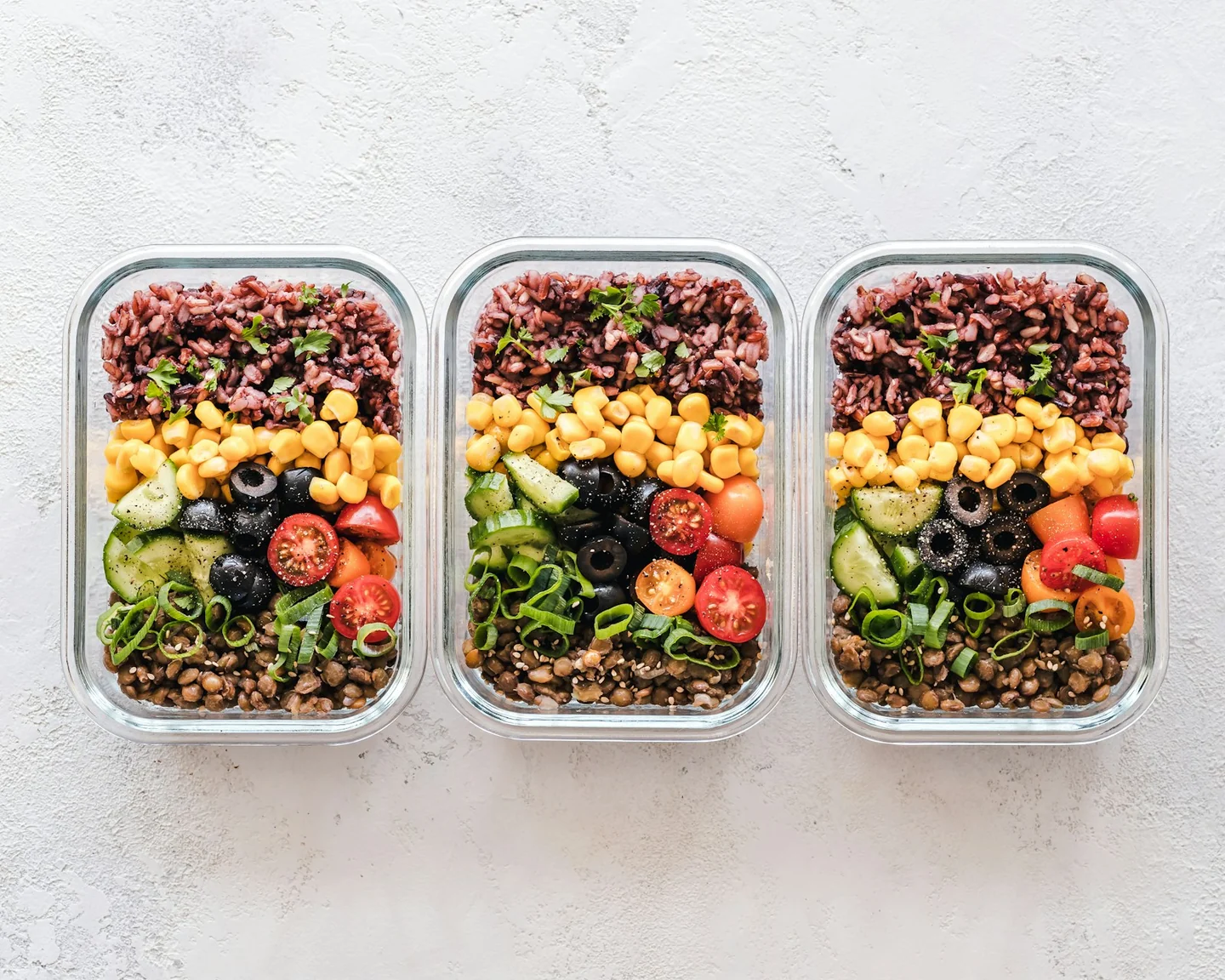
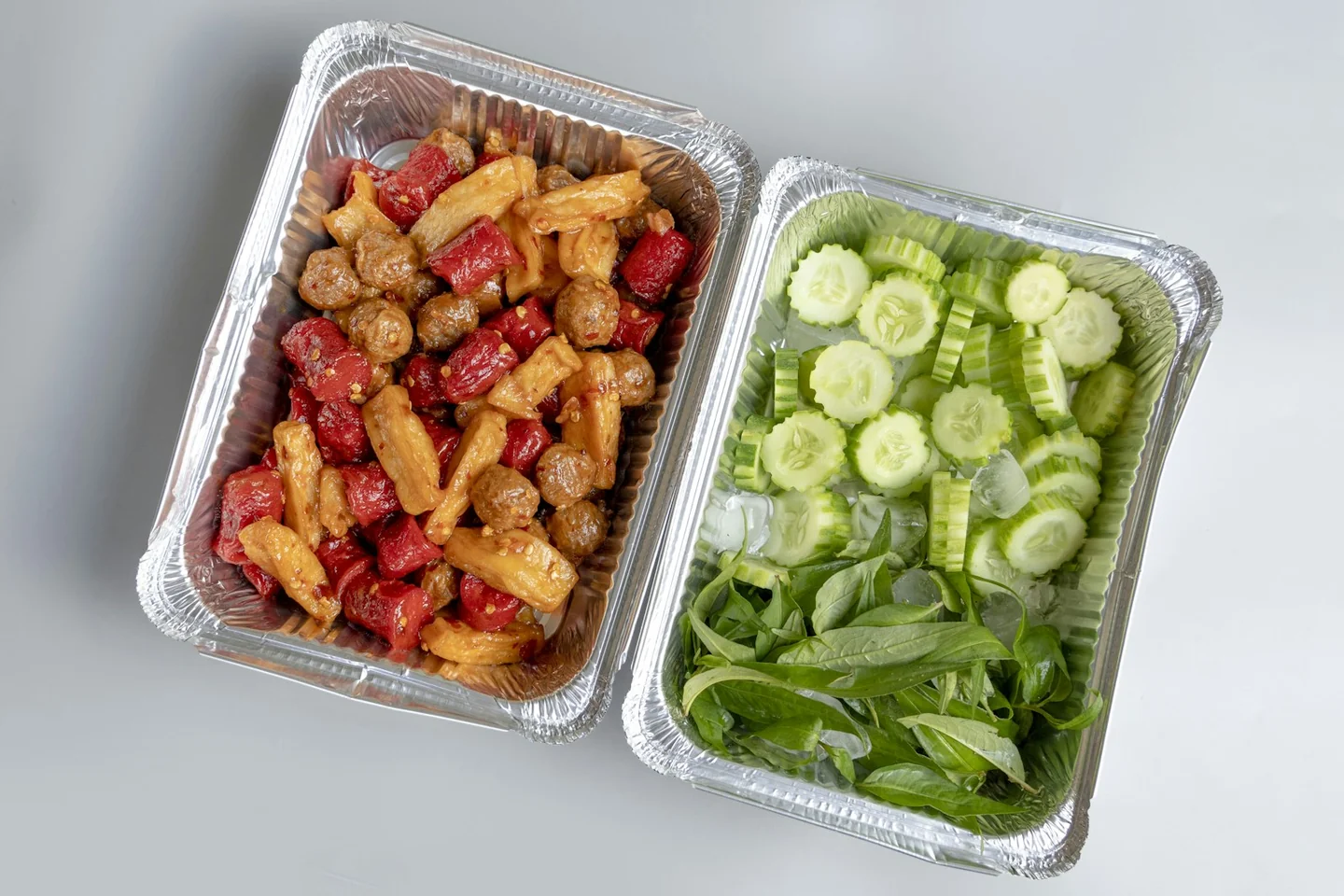
Choose a format you can repeat without eating the same finished dish every day. A grain, a protein option, vegetables, and a sauce can become a bowl; a filling and an easy side can become a sandwich meal. Use the ingredients you like and adjust for your dietary needs. This is a packing structure, not a prescribed balance for every person.
The Everygirl's practical lunch ideas are a useful prompt for combinations, but your equipment and work setting should guide the final choice. If reheating is unavailable, do not build the plan around a hot dish. If the refrigerator is shared and crowded, choose suitable storage and an appropriate alternative. Keep a fallback you can buy or assemble with very little effort. The fallback makes the routine resilient when the planned lunch is forgotten. It deserves a place in the budget and plan, not a place in a list of mistakes.
Sources: [3]

A container and a cold source have different jobs
USDA guidance recommends an insulated lunch bag and at least two cold sources for perishable food when refrigeration is unavailable. Put food in the workplace refrigerator promptly when you can. Read storage and reheating guidance for the meal itself; a reusable bag or an attractive container does not supply that information.
Check the container before relying on it for a commute. Does it fit the food without spilling? Does the lid work with the way the bag sits? Is it suitable for the way you intend to heat and clean it? Keep utensils where you can find them and allow the food to be accessed without unpacking the whole work bag. A lunch system should make eating easier and safer. It becomes less useful when the focus is on matching containers while the meal spends the morning at an unsuitable temperature.
Sources: [4]
The IHE Edit
Three ways to make lunch easier to carry
A sandwich bag, a small side container, and a cooling bag let the transport fit the food.
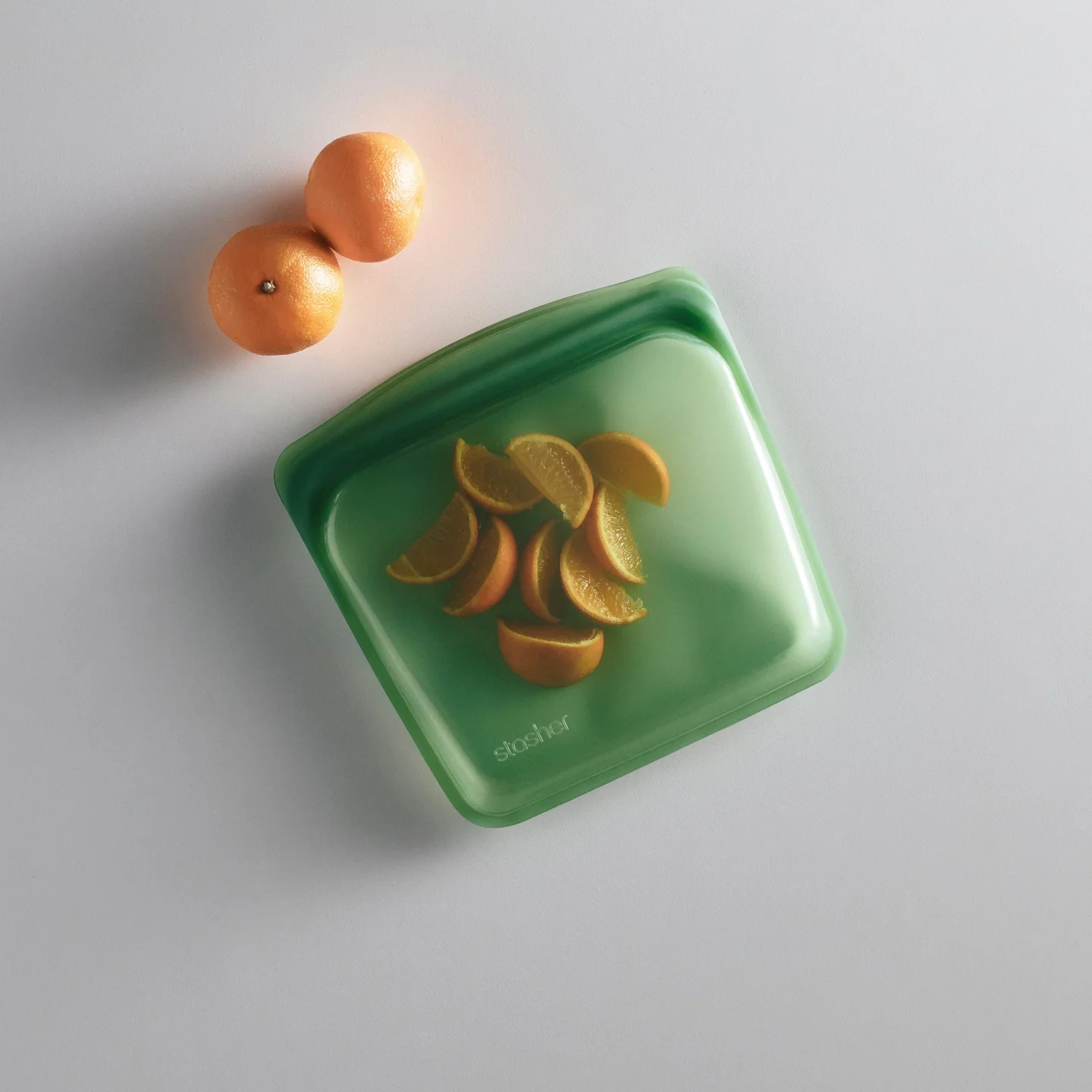
For the sandwich
Stasher Sandwich Bag
A reusable silicone sandwich bag for a sandwich, fruit, or a handful of crackers. Keep perishable fillings appropriately chilled.
Shop Stasher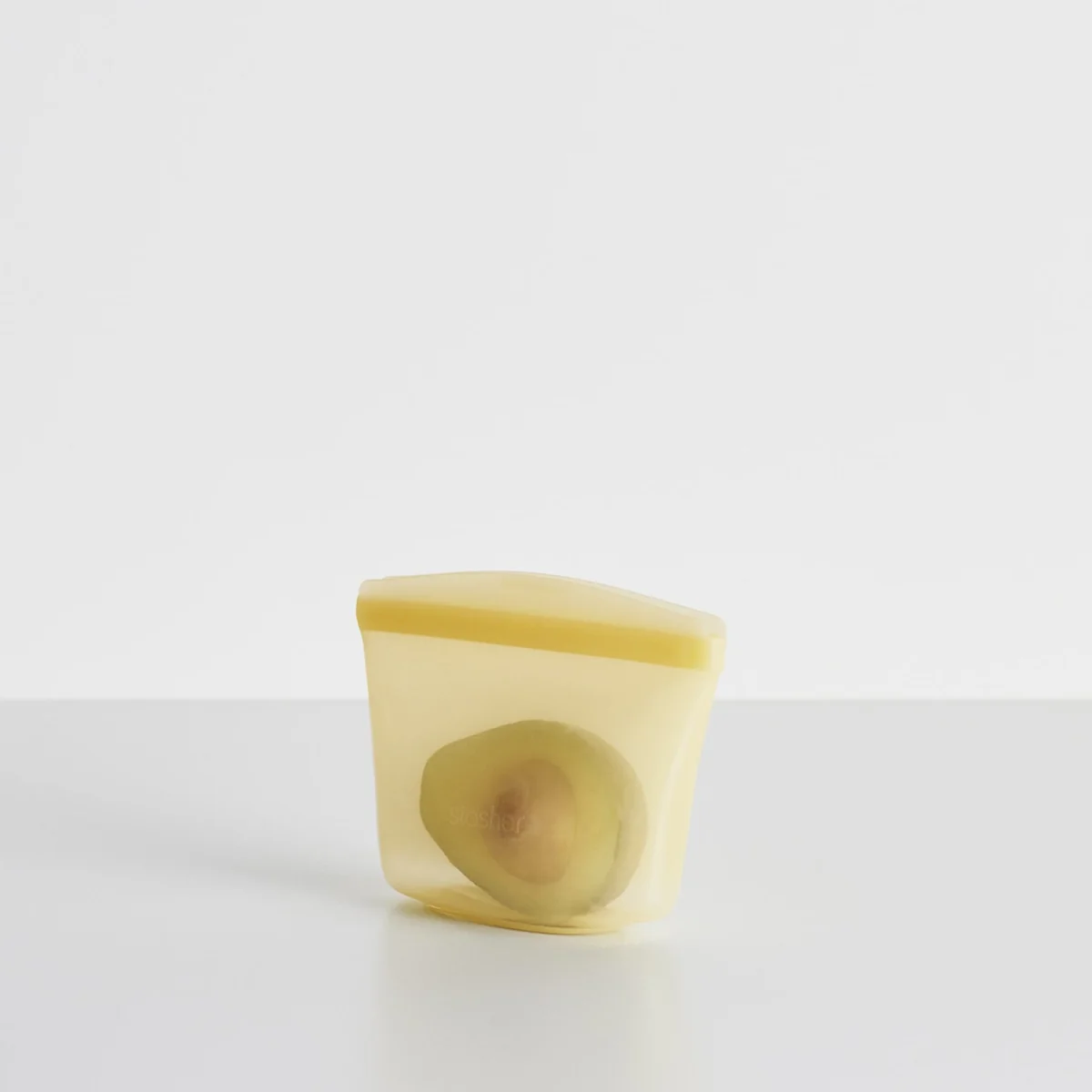
For a side or snack
Stasher 1-Cup Bowl
A small, reusable silicone bowl for a portion of trail mix or cut fruit. Its one-cup capacity works for a snack or a little leftover.
Shop Stasher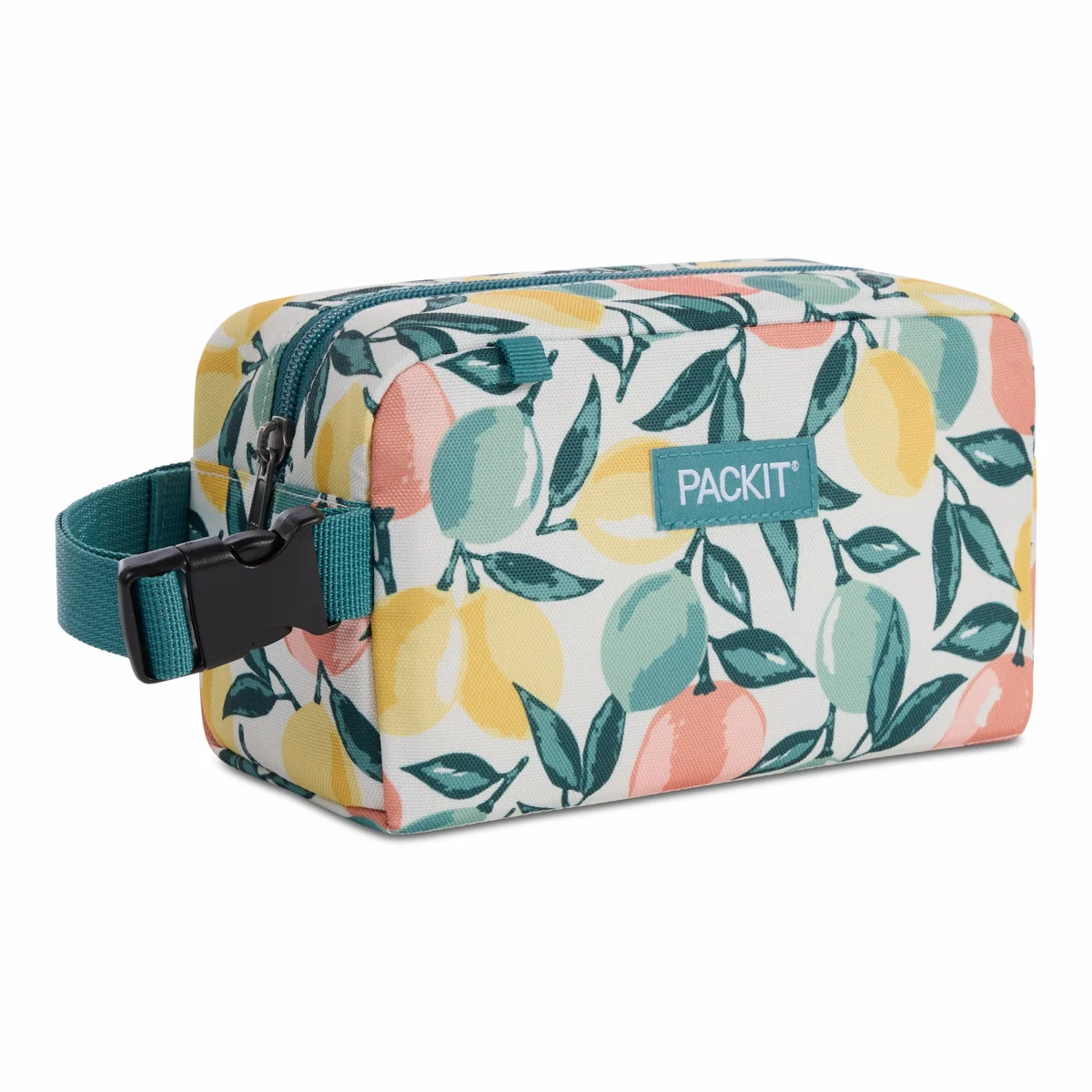
For the cold-storage plan
PackIt Freezable Snack Box
A compact snack bag with cooling gel built into its walls. Freeze it overnight before packing, and plan food storage around the length of your day.
Shop PackItMake a small boundary between the meal and the spreadsheet
Before lunch, leave a one-sentence next-action note. Close or move the work where practical and clear a surface for the food. If the desk is the only available place, change its use visibly for a few minutes: put the meal in front of you, move the keyboard, and stop reading the document while eating. The pause can be simple.
Afterward, return to the recorded action rather than reopening every unresolved thread. A brief walk or a change of posture may fit between the two, but it is not a requirement for the meal to count. If lunch repeatedly disappears despite planning, revisit the conditions rather than escalating the lunchbox routine. A clearer timetable or a conversation about workload may matter more than another recipe. The practical success is a meal you can reliably have and a workday that leaves room for that ordinary need.
Keep storage and transport straightforward
Use a container that fits the food and the bag you carry, and follow food-safety guidance for refrigeration and reheating. Check lids and cleaning instructions before the first commute.
Keep a fork, napkin, or other useful item where you eat when possible. Removing those small annoyances makes the pause easier to repeat. The lunch setup should serve the meal rather than become a shopping project of its own.
Give the afternoon a clear re-entry
Before lunch, leave a sentence about the next step in your work. After eating, return to that step rather than reopening every unresolved task at once. A short walk or a stretch may fit between the two.
When the workload repeatedly prevents a meal break, discuss the workload and coverage. A better lunchbox cannot solve a day with no space to eat. The routine and the conditions need to work together.