

When every hour is available for another task, even a good day can feel unfinished. Recovery does not have to begin with a major life overhaul. It can start with a workday that has a few visible edges and enough space to notice when the plan is no longer reasonable.
Give the first hour a clear purpose
Choose one priority before opening every channel. Ask what would make the morning useful even if the afternoon changes. Keep that answer visible on paper or at the top of your task list.
Leave some room for the work around the work: clarifying a brief, answering an important question, and dealing with interruptions. A schedule built from uninterrupted focus blocks may look efficient while being impossible to live through.
Fatigue and burnout need different conversations
Burnout has a specific occupational context. The WHO describes it as a phenomenon arising from chronic workplace stress that has not been successfully managed, with exhaustion, increased mental distance or cynicism about work, and reduced professional efficacy. It is not a label for every tiring afternoon or every difficult part of life.
That distinction helps you choose a useful response. A demanding but temporary day may need a break, food, rest, or a revised task list. A persistent work pattern may require a conversation about workload, resources, management, or support. You do not need to diagnose yourself before asking for those changes. Start with what you can describe: how long the pattern has lasted, which demands repeat, and what the day no longer leaves room for. A personal recovery routine can support you while the work conditions are addressed; it cannot be assigned responsibility for fixing them.
Sources: [3]
Turn a vague boundary into an operational sentence
The Everygirl's discussion of work boundaries is useful because a boundary has to appear somewhere in ordinary communication. Write the sentence you could actually send. For example: I can finish the draft today, or I can take the new task today and move the draft to tomorrow. Which should come first? The sentence makes the trade-off visible without requiring a long explanation of your feelings.
Use the same approach for availability. State when you will check messages, how someone should flag an urgent issue, and what can wait until the next working period. If your role includes on-call work, agree on what that entails rather than pretending every message has the same urgency. A boundary that exists only in your head is difficult for others to follow. A clear sentence gives the team something concrete to plan around. It also lets you notice when an agreement is repeatedly ignored.
Sources: [1]

A break should change at least one part of the setting
If you have spent an hour looking at a screen in one position, use the next pause to change the pattern. Stand, adjust your seating, walk to get water, or do a task away from the display if that is possible. OSHA's workstation guidance emphasizes both a suitable setup and changes of position rather than expecting a single perfect posture to carry the whole day.
Choose cues that survive busy periods: after a call, before opening the next draft, or when you return from lunch. A timer can help you remember, but a rigid interval is not the goal of this example. If pain, tingling, or persistent discomfort is becoming part of the working day, seek advice and review the workstation. Do not treat discomfort as the normal fee for focus. The useful pause interrupts an unhelpful pattern and gives you a moment to notice how the day is going.
Sources: [4]
The IHE Edit
Make the workday less improvised
A visible stopping point, a flexible typing setup, and water within reach. Each solves a small practical problem.
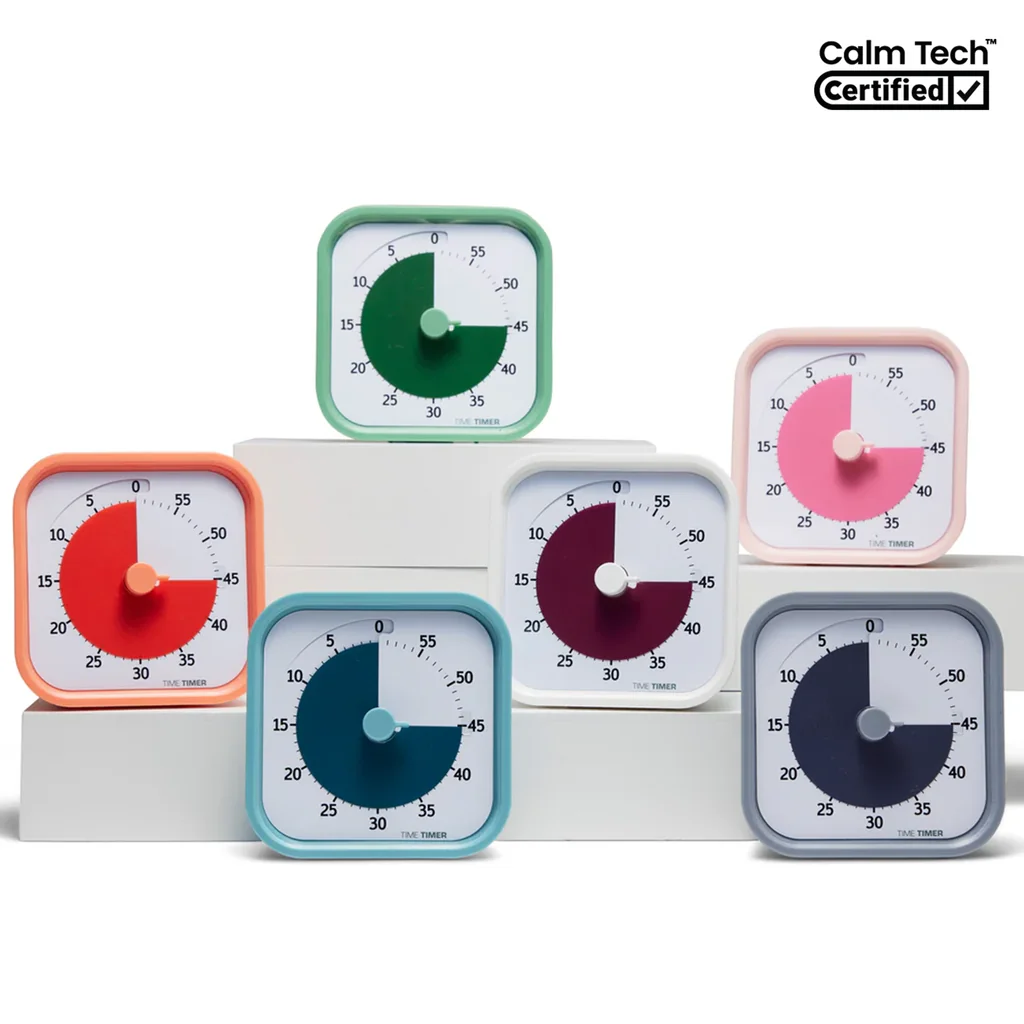
For a bounded work block
Time Timer MOD Home Edition
A visual timer for giving a work block, break, or small household task a clear end. Choose the interval around the job you actually need to do.
Shop Time Timer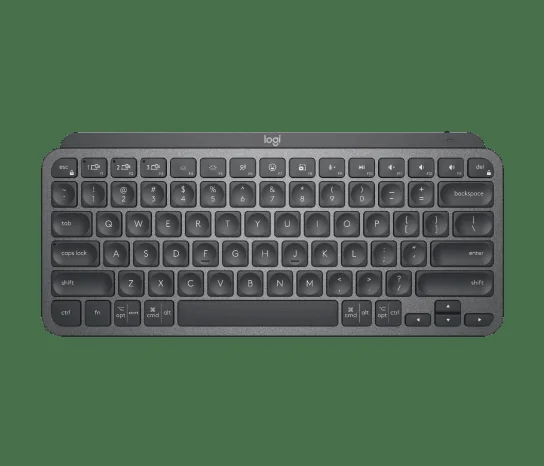
For a more flexible desk
Logitech MX Keys Mini
A compact wireless keyboard that lets you separate typing from the laptop screen. Pair it with a comfortable screen position and a suitable pointing device.
Shop Logitech
For fewer forgotten refills
Owala FreeSip 32 oz — Round We Ghost
A reusable 32-ounce bottle for the water you want close at hand. The pictured FreeSip is the Round We Ghost colorway; check current color availability.
Shop OwalaClosing work means leaving a usable starting point
Before finishing, capture three things: what is complete, what remains, and the first next action. Make the action small enough to recognize tomorrow. Open the report and check the missing figure is a clearer instruction than catch up. Save the file and put the note somewhere you will see it before the next wave of messages.
Then create a transition suited to the space you have. A separate office can be closed; a dining table can be cleared; a laptop can go into a bag. If you share a small home, even changing the lamp or moving the chair can mark a different use of the room. The Good Trade's work-from-home discussion makes the physical overlap worth acknowledging. You do not need a spare room to stop working. You need an agreed stopping point and a repeatable way to make the next part of the day available.
Sources: [2]
Name the workload problem accurately
A breathing exercise cannot reduce an impossible number of deadlines. When demand keeps exceeding the day, identify what needs a different scope, sequence, owner, or due date. Bring a concrete trade-off to the conversation.
For example, explain which task moves if a new urgent request takes priority. Clear choices are easier to discuss than a general statement that everything feels overwhelming. Personal routines work better when the workload itself is being examined.
End with an instruction for tomorrow
Before closing work, leave yourself a short next-action note. Save the file, write the question you are waiting on, and decide where to begin. Then make a physical transition: put the laptop away or leave the work area.
An evening can still contain responsibilities without containing the entire office. Give yourself a modest stopping ritual that signals enough has been done for today.