
A supplement label has several jobs. Some parts describe what is in the bottle; others are designed to make the bottle feel necessary. Give yourself time to read those parts separately before deciding whether the product answers a real need.
Begin with the serving, not the front label
Find the Supplement Facts panel and read the serving size. Check the amount per serving and the units. A front-of-bottle number may not describe a single tablet or gummy. Then review the other ingredients and any allergy information.
Make a note of the exact product and formulation. Labels can change, so use the one on the bottle you are considering rather than an old screenshot. Keep the questions specific enough to take to a pharmacist or clinician.
Read the panel as a quantity statement
Serving size tells you how much product the listed amounts describe. Amount per serving tells you what that portion supplies. The unit matters: a milligram and a microgram are different quantities, and the printed front-label number may not apply to one capsule. The NIH Office of Dietary Supplements explains these label elements and why the directions deserve attention.
Use a hypothetical two-gummy serving to practice reading. If the panel lists an amount per two gummies, one gummy supplies a different amount from the labeled serving. Do not assume the serving is the amount you personally need. Write down the portion, the units, and the ingredient before comparing it with another bottle. The panel answers a contents question. Deciding whether that content is appropriate requires the reason for using the supplement, what else you take, and advice relevant to your health.
Sources: [1]
Daily Value is not a personal target to exceed
A percentage of Daily Value gives label context for a nutrient; it does not establish your individual requirement or prove that a larger percentage is better. The NIH's consumer guidance distinguishes recommended intake and upper limits and cautions that excessive amounts of some nutrients can be harmful. Read the exact nutrient and amount rather than evaluating the bottle by the largest percentage.
Make a combined list if several products overlap. A multivitamin, a beauty supplement, and a targeted vitamin can all contribute to the same daily total. Add fortified foods when a clinician or dietitian asks you to review them. Do not improvise a personal dose from a social-media recommendation. The useful question is whether there is a defined need and a sensible way to meet it, not whether the product can supply the biggest amount in the smallest capsule.
Sources: [1]

Marketing, regulation, and quality checks answer different questions
The FDA states that it is not authorized to approve dietary supplements for safety and effectiveness before they are marketed. That means a supplement's availability is not the same as premarket approval of its advertised benefit. Read health claims with the same care you would use for another product: what was studied, in whom, and for which outcome?
A quality-testing mark may concern contents or contaminants, depending on the program. Read the program's scope rather than treating the mark as a clinical trial. A label database can help you inspect a product's listed ingredients without endorsing the product or proving that you need it. Keep these questions separate on paper: what is in it, how that was checked, and whether there is evidence for the reason you want to take it. One reassuring answer should not silently fill all three spaces.
The IHE Edit
Three labels worth reading closely
Examples for comparing units, serving sizes, and amounts. These are label-reading references, not a recommendation to take all three.
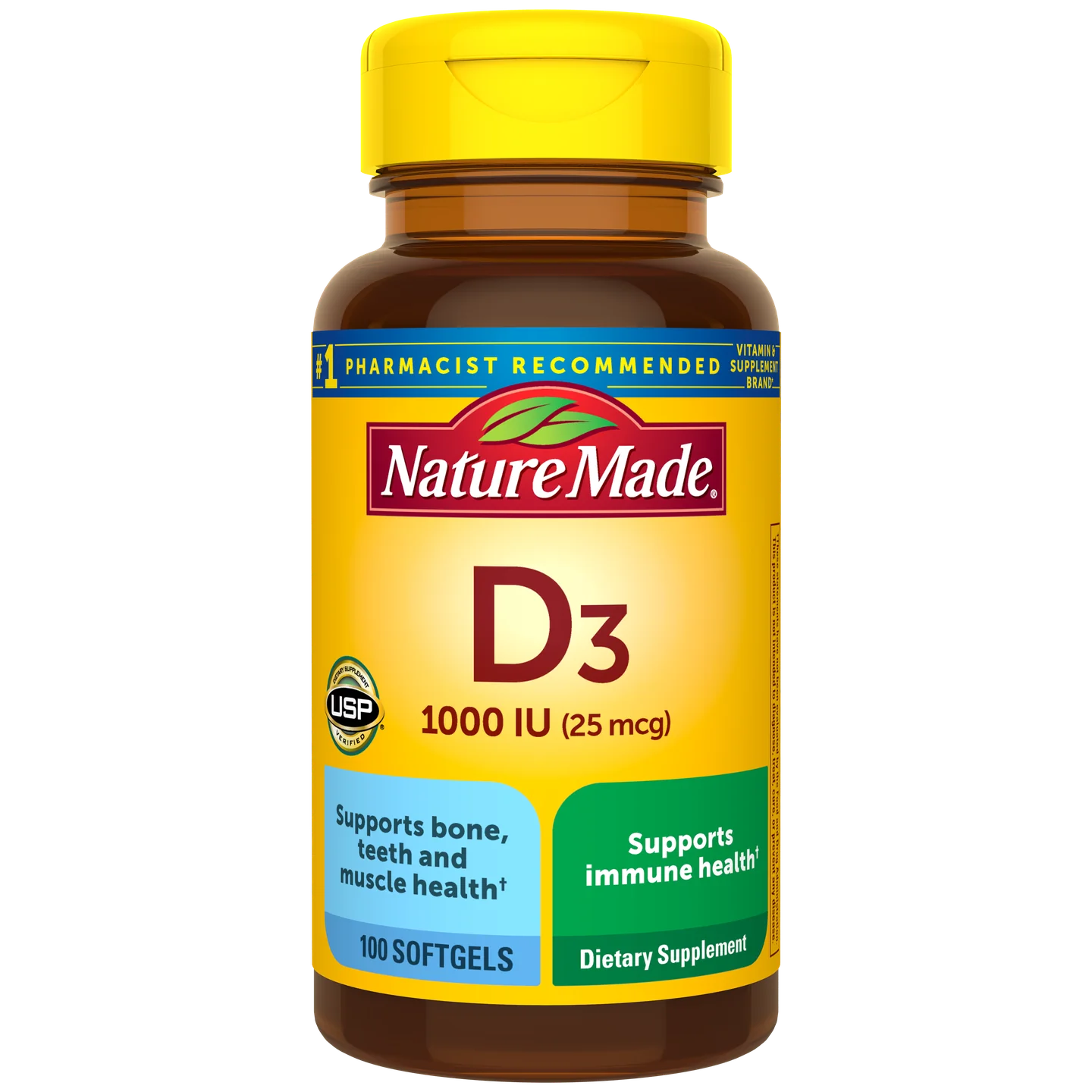
Compare mcg with IU
Nature Made Vitamin D3 1000 IU Softgels
A vitamin D3 label to examine: compare the 25 mcg amount, the 1,000 IU equivalent, and the stated serving size with your own reason for supplementing.
Shop Nature Made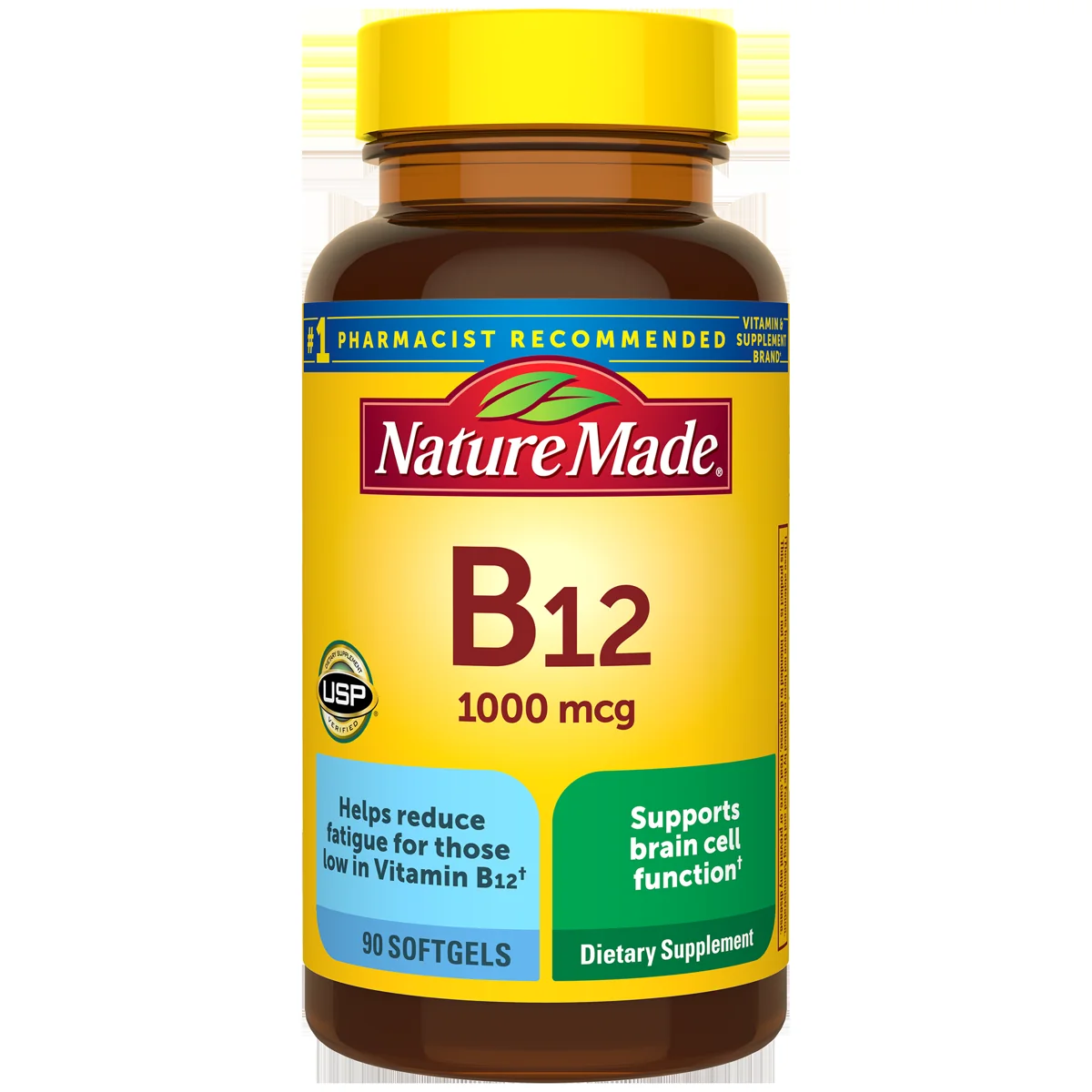
Read the amount and Daily Value
Nature Made Vitamin B12 1000 mcg Softgels
A B12 label with a different unit and amount: 1,000 mcg. Use it to practice comparing serving size and Daily Value, rather than choosing the biggest number.
Shop Nature Made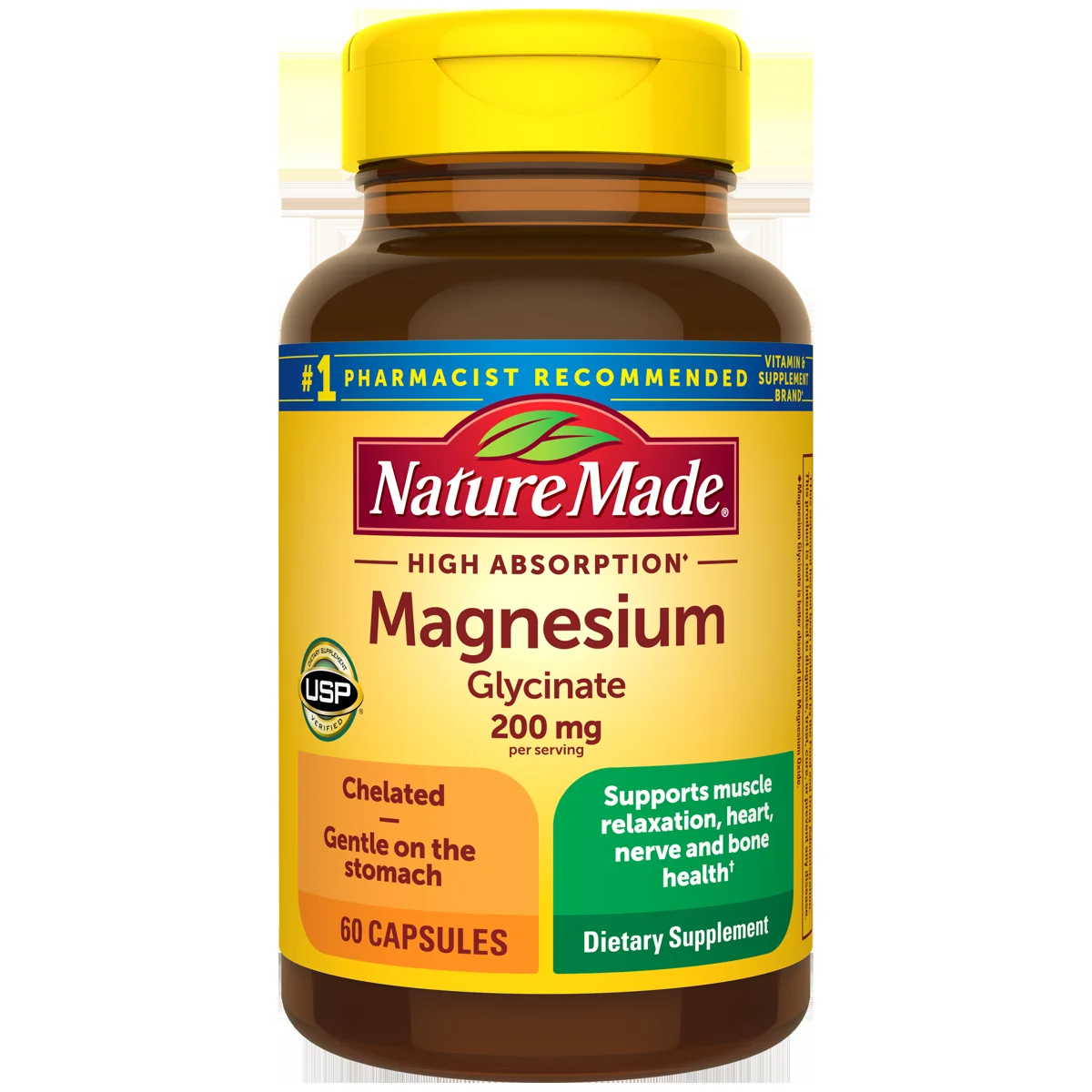
Check the full serving size
Nature Made High Absorption Magnesium Glycinate 200 mg Capsules
Read the serving panel as well as the front label: the stated 200 mg is per serving. Check the form, capsule count per serving, and any overlapping supplements.
Shop Nature MadeTake a purpose and a review date to the conversation
Before an appointment, write one sentence about the problem you hope to address. Include the exact supplement, the panel, all other supplements, and your medicines. Ask whether the product is suitable, whether a test or a different approach would be more informative, and what should trigger a review. Mention pregnancy, breastfeeding, relevant conditions, and planned procedures when they apply.
The Good Trade's discussion of lower-waste vitamins adds a separate consideration: packaging and refill systems. Those may matter to your shopping preferences after suitability is established. They do not prove absorption, effectiveness, or safety for your situation. A refillable bottle can be attractive while the decision about its contents remains unresolved. Leave room for a smaller outcome: one appropriate supplement, a food-based change, further assessment, or no purchase. Reading the label carefully is successful when it makes the decision clearer, even when the clearest decision is to leave the bottle on the shelf.
Sources: [4]
Give a claim an appropriate amount of trust
A label does not establish that you need the product. In the United States, supplements are regulated differently from medicines, and the FDA does not approve them for effectiveness before marketing.
Independent quality testing may address aspects such as contents or contaminants; it does not automatically prove the advertised health benefit. Look for the exact scope of any verification rather than treating a seal as an answer to every question.
Five questions before checkout
- What specific need am I trying to address?
- How much is in the serving, and what else am I already taking?
- Is there evidence relevant to that need and to people like me?
- Could this interact with a medicine, condition, or procedure?
- Who can help me decide whether supplementation is appropriate?
Let the answer be a smaller list
You may leave the conversation with one useful product, a test to discuss, a food-based option, or no supplement at all. Those are all possible outcomes of reading carefully.
Do not let a growing stack become evidence of how seriously you take your health. The decision should have a clear purpose, a suitable dose, and a reason to review it.