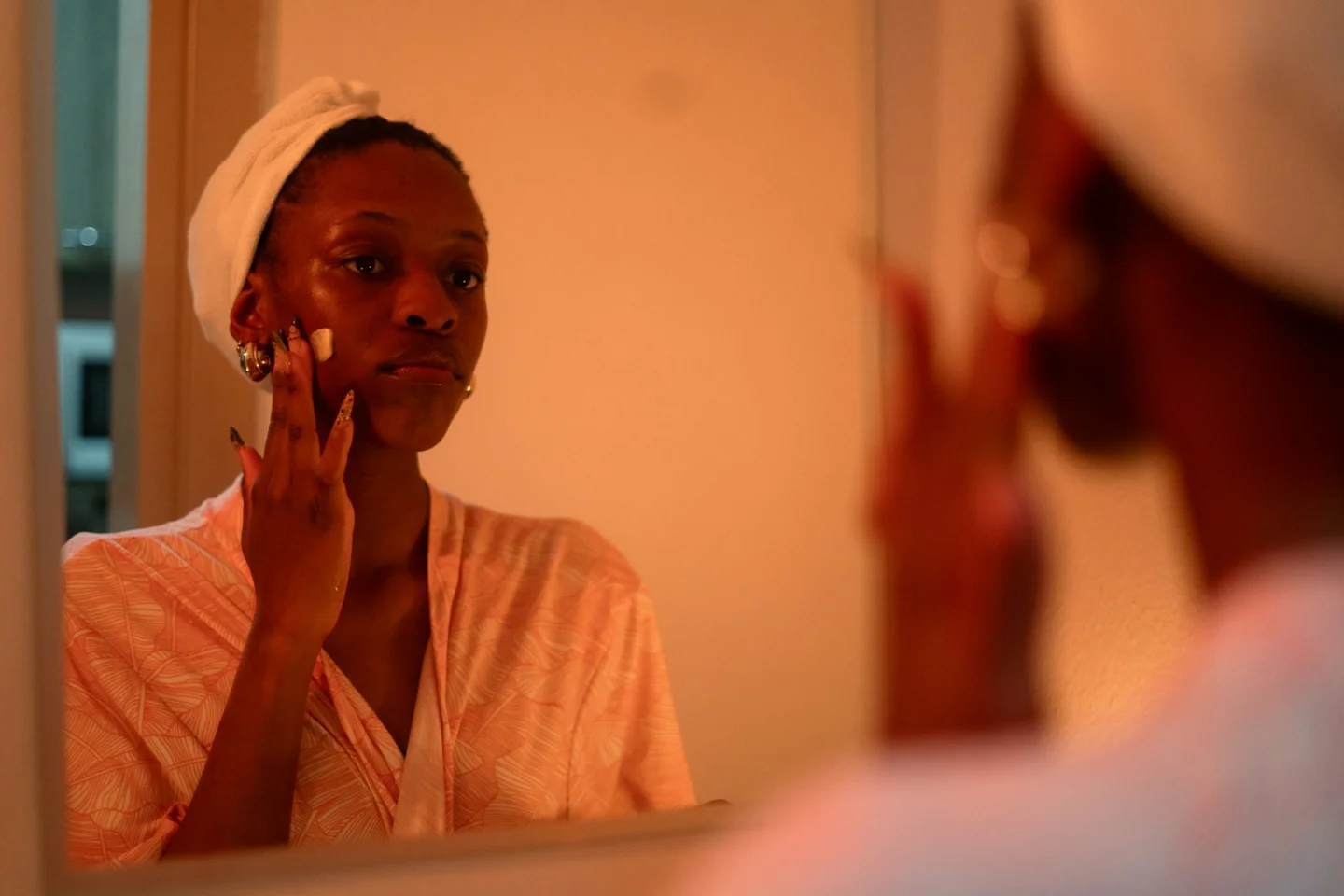


When you open social media today, you’ll be met with a myriad of skincare and makeup products boasting their claims. This type of language has now spread all throughout the beauty industry, and though it sounds nice, what does it actually mean?
The Rise of Science Marketing
This new trend of using scientific sounding language on beauty product marketing is particularly appealing to consumers. Science is thought to be objective, but when harnessed by marketing, these claims of new innovation and proven technology increase consumers’ trust in products.
In this age of overconsumption, science has been employed as a marketing tool as a way to stand out in the oversaturated beauty market. But as all good strategies do, the tactic of using scientific sounding language caught on mainstream, and now many brands throw around these eye-catching and professional sounding phrases to elevate their product.
But the problem isn’t the language; it’s the evidence behind the claims. Not all of these brands are being particularly truthful, and slapping a two-word phrase onto a new serum doesn’t tell consumers anything about what happened during the experiment. Consumers seeking trust may be misled by a scientific sounding claim, when in reality the real meaning behind the words may be different.
“Clinically Tested” Doesn’t Tell You Everything
For example, take the phrase “clinically tested.” This phrase has virtually become ubiquitous amongst beauty serums, devices, and supplements. But if all brands use this phrase, which clinical trial can we trust?
So what does “clinically tested” actually mean?
The Federal Trade Commission (FTC) requires advertising claims to be truthful, not misleading, and supported by appropriate evidence. Its guidance generally calls for randomized, controlled human clinical testing to support health-benefit claims.
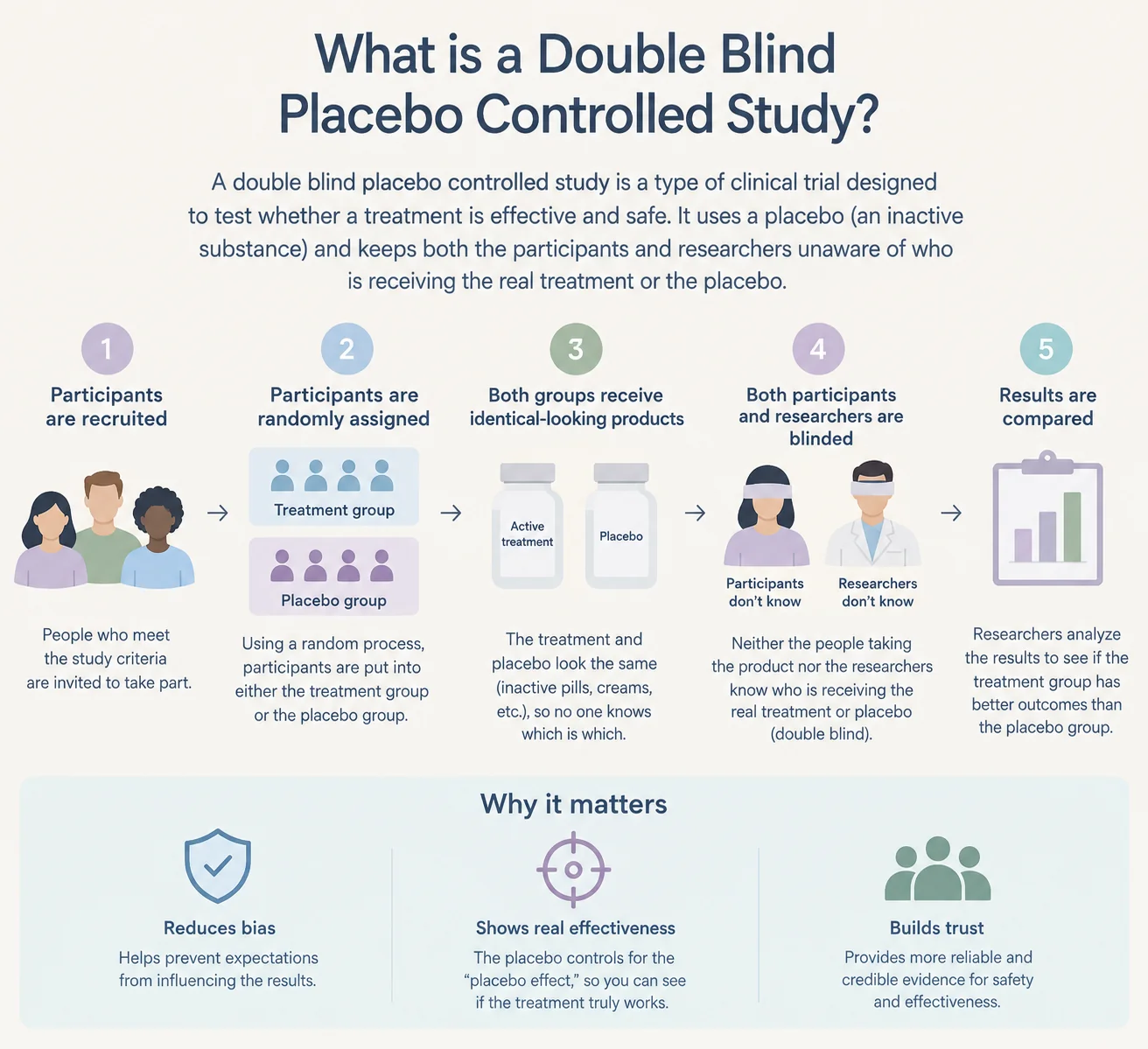
Brands that have completed an RCT for their product are able to make the claim of “clinically tested.” Even though the regulations surrounding the use of this label are already scrutinized, the word “tested” still does not guarantee conclusive results or significant efficacy.
The lack of this guarantee also means that “clinically tested” does not equate proven to work. “Clinically proven” makes a stronger promise, so the evidence should support that promise. The FTC does not require a fixed number of RCTs; the quality and relevance of the research matter.
Despite these tight regulations, there is still an abundant amount of information that the two words do not tell you. Details about what was done during the tests, how big the sample size was, what the subjects were asked during the experiment can all change a consumer’s decision to buy or not. Nevertheless, these distinctions are key to consumers’ understanding of products that actually have scientific substance, and others that simply use science-forward marketing.
How to Distinguish Products with Scientific Substance
Look for details. These may include:
- Sample size and trial participants
- Methods of the experiment and whether there was a comparison group
- What the results actually measured
- Statistics showing the size of the change
- Whether the study tested the finished product or an individual ingredient
These details will allow you to gain more insight into the actual substance of the experiment, and will support the purpose of the certain product of interest. Let’s take a look at different examples within the beauty industry.
Haircare
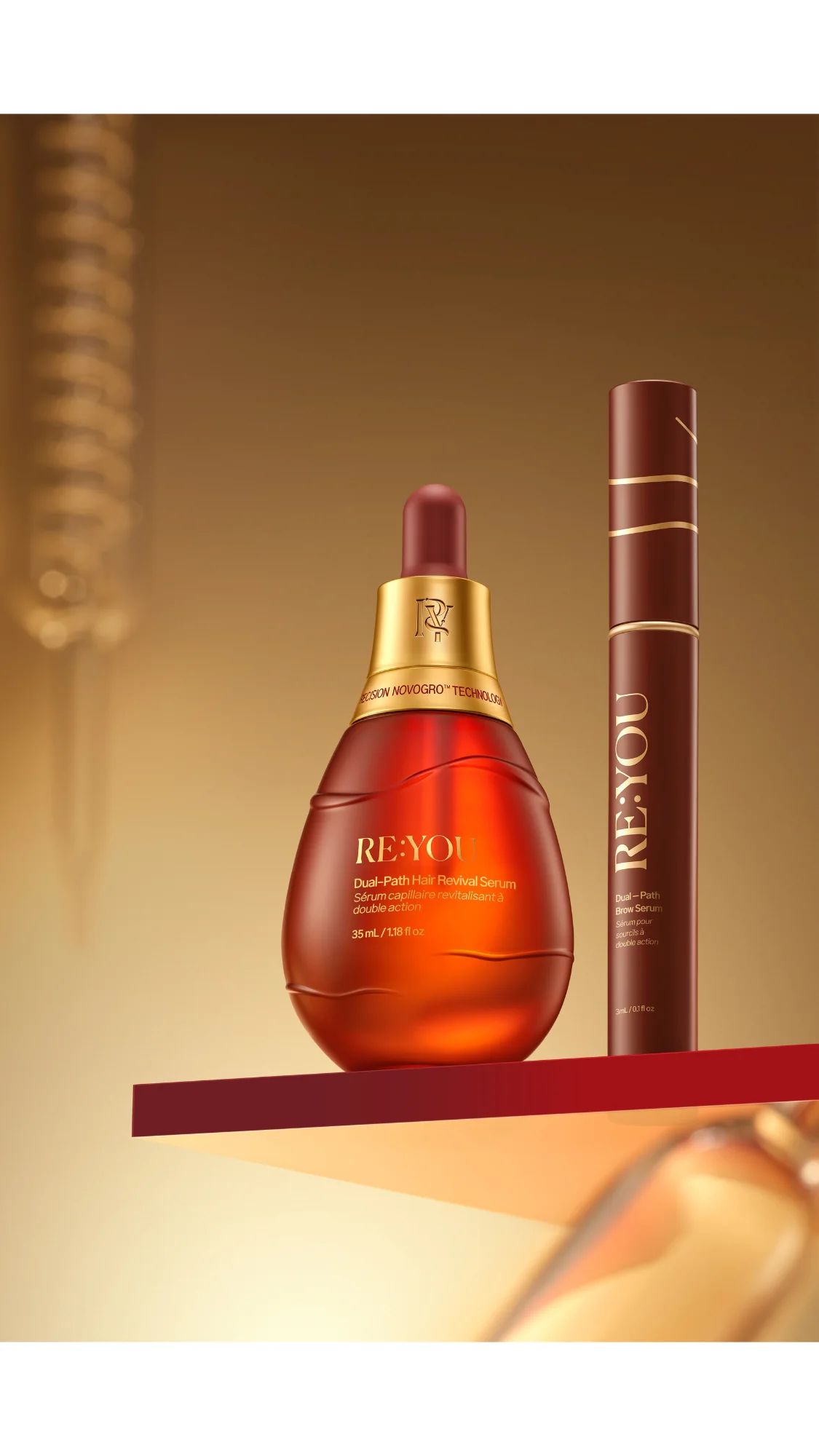
RE:YOU’s Dual-Path Hair Revival Serum
RE:YOU’s Dual-Path Hair Revival Serum contains three proprietary NOVOGRO™ molecules. The company describes them as supporting hair follicle health and the surrounding scalp environment, and lists the formula as drug-free and hormone-free. Its research includes laboratory work on the molecules and a clinical study of the finished serum.
RE:YOU’s science page gives readers several types of evidence to examine:
- Laboratory research on NOVOGRO™ in human cells and hair-follicle models
- Details of a randomized, double-blind study of the finished serum against topical 2% minoxidil
- Scalp imaging, expert assessments and standardized comb tests
- Representative before-and-after photographs from study participants
In its published interim update, RE:YOU reports results from a six-month trial involving 190 women aged 35–70 with mild to moderate thinning. At 90 days, the company reported 50% greater hair counts and density than the minoxidil group, measured by digital imaging, and an average 56% reduction in shedding on a standardized comb test. These are specific measures, rather than a promise of the same improvement for every user.
The study registry lists two RE:YOU formulations and a 2% minoxidil comparison group. The full report, with group sizes, statistical analysis and longer-term outcomes, would help readers assess the reported benefits. Sharing these details gives readers more information to assess the claims; the next question is how closely the findings support the benefit being advertised.
Read next Hair Thinning Has a Treatment Plan. Start Before the Shopping Cart.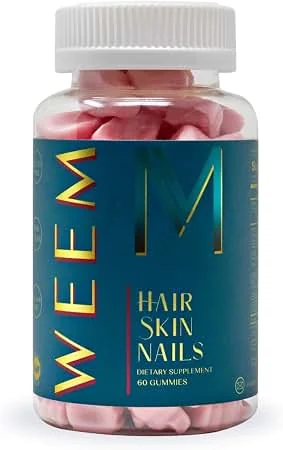
Supplements
WEEM’s Hair.Skin.Nails
WEEM markets their beauty supplement as a plant-based, “clinically tested” hair supplement. They claim that it reduces hair loss and promotes the growth of thicker, fuller hair with its main ingredients of biotin and a variety of vitamins.
The product information links the formula to hair health, but the study details are harder to assess. Useful questions include:
- Was the finished supplement tested in people, and how many took part?
- Was there a placebo or other comparison group?
- How were hair growth or shedding measured, and over what period?
- Do the findings concern the full formula or individual ingredients?
- Were participants deficient in biotin or other nutrients? Evidence for biotin in people without a deficiency is limited.
The distinction matters because evidence for an individual ingredient does not automatically establish the effects of a finished supplement. Limited study detail on a product page leaves questions unresolved; it does not establish that the product cannot work. Consumers deserve enough information to judge whether the research supports the advertised benefit.
Supplements
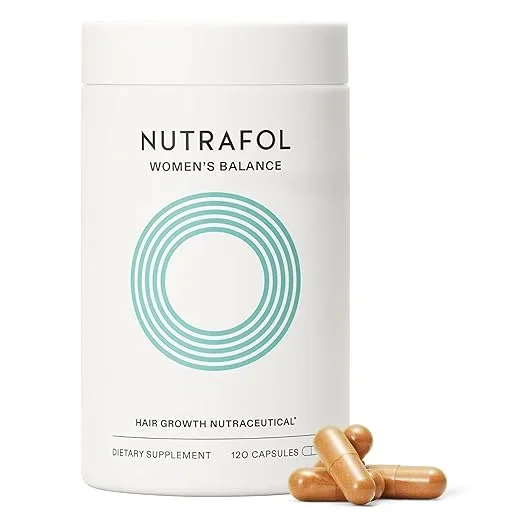
Nutrafol
Nutrafol markets its supplements as “clinically proven” and designed to address six “root causes” of hair thinning, including stress, hormones and nutrition. Its patented Synergen Complex® brings together familiar ingredients such as saw palmetto, ashwagandha and marine collagen.
It has published clinical research, but the details deserve a closer look. A 2018 randomized, double-blind, placebo-controlled trial tested Nutrafol Women in 40 women aged 21–65 with self-perceived thinning: 26 took the supplement and 14 took placebo, for six months.
- How it was tested: four capsules daily, with scalp photographs and hair counts at baseline, 90 days and 180 days.
- Measured results: counts of mature hairs in the measured scalp area rose 10.4% from baseline after six months, versus 3.5% with placebo. Average hair thickness did not improve significantly.
- Who was studied: women with other hair-loss disorders were excluded, limiting what the results tell us about those conditions.
- The comparison: placebo, rather than an active hair-loss treatment such as minoxidil.
The study was funded by Nutrafol’s manufacturer, and one author worked for the company. That does not erase the findings, but it is useful context. The evidence supports a specific formula in a selected group; a patented blend is not proof that every Nutrafol product addresses every “root cause” of thinning.
Skincare
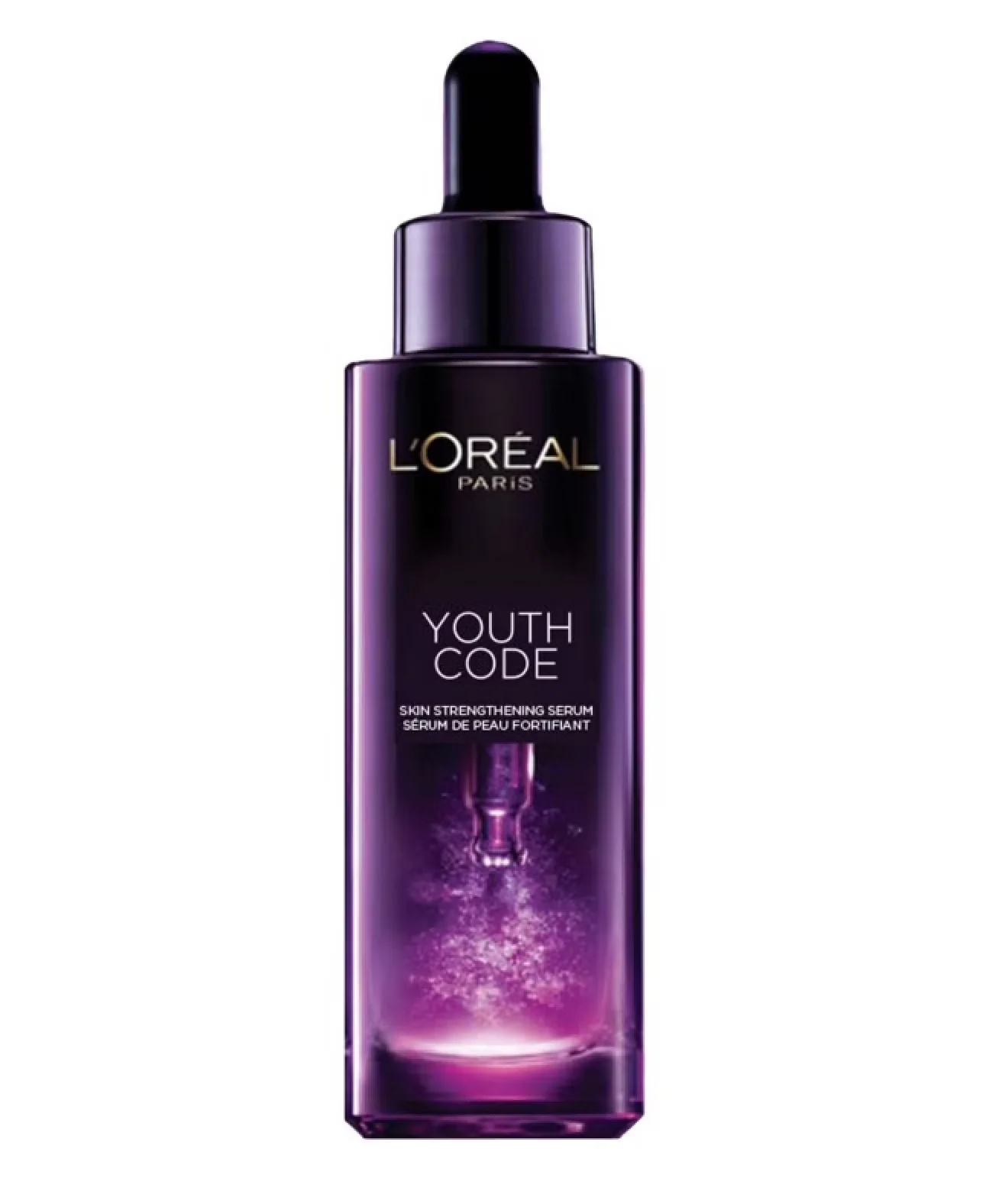
L’Oréal’s Youth Code Skincare
One example of how language can be misleading is L’Oréal’s Youth Code skincare line. The brand marketed the product around “gene science” and used a “clinically proven” study to support claims that the product could boost gene activity and stimulate “youth proteins” associated with younger-looking skin.
However, the study featured in the advertising did not actually test Youth Code or any of its ingredients. Instead, it:
- Compared gene expression in younger and older men after physical stress was applied to their skin
- Did not demonstrate that Youth Code delivered the advertised anti-aging benefits
The case illustrates an important distinction: having science related to a product is not the same as having science that proves the product works. As a result of this, L’Oréal was charged by the FTC in 2014 with these false claims, and was prevented from using language that included targeting genes or promoting gene activity in their advertising claims, unless supported by direct evidence. Now, L’Oréal’s Youth Code Skincare line uses language such as “skin strengthening” and claims to support the skin barrier to help with younger-looking skin. These claims are worded slightly differently, but impact consumers’ decisions greatly.
Beauty Devices
Red-Light Therapy
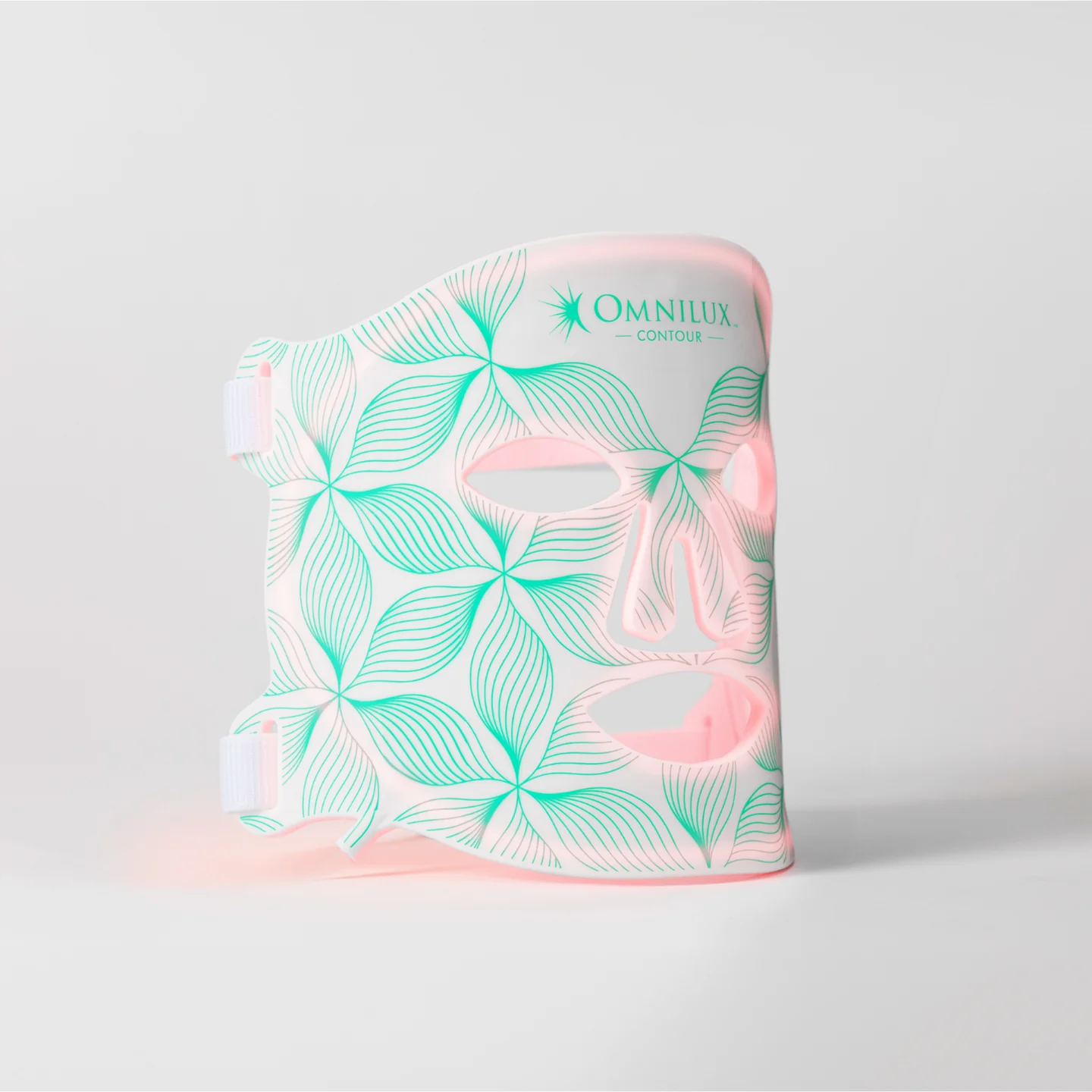
Red-light therapy, a part of the beauty devices category, is another product where scientific language has become a major part of the marketing. At-home LED masks often promote specific wavelengths, light intensity, treatment times, and clinical testing to support claims about wrinkles and skin rejuvenation. And there is legitimate research behind the broader technology: clinical studies have found improvements in facial wrinkles following red-light LED treatments.
But this is where consumers need to look more closely. A clinical study showing that red light at a particular wavelength and dose can improve wrinkles does not automatically prove that every red-light mask will produce the same results. The device's wavelength, energy output, treatment duration, frequency of use, and distance from the skin can all differ.
A 2025 study of an at-home LED mask illustrates the kind of detail to look for:
- Randomized, double-blind, sham-controlled study
- Tested a mask using 630 nm LED and 850 nm infrared light under a defined treatment protocol
Additionally, these at-home red-light therapy devices rose in popularity after red-light therapy in clinics became popular. Oftentimes, these devices do not deliver enough power to the skin area when compared to clinic technology, therefore, results may not always show up or be delayed.
The growing relationship between beauty and science is ultimately a positive development, as more technology invested into consumer products will allow customers to have access to new innovation and evidence-backed goods. However, it isn’t enough to use science as a strategy to gain more customers, but rather it is crucial to explain the evidence. Science shouldn’t be making consumers question the efficacy of products, but rather creating trust and empowering them to choose products that can deliver the results they are looking for.
References
- Citruslabs: Clinically Tested vs. Clinically Proven
- Federal Trade Commission: L’Oréal scientific claims need proof
- National Institute on Aging: What are clinical trials and studies?
- RE:YOU: NOVOGRO research and clinical study results
- RE:YOU: Company-reported interim 90-day clinical results
- ClinicalTrials.gov: RE:YOU study design and sponsor (NCT07785869)
- WEEM: Hair.Skin.Nails product information
- National Institutes of Health: Biotin fact sheet
- Omnilux: Contour Face product information
- Federal Trade Commission: Health Products Compliance Guidance
- 2025 clinical study: At-home LED and infrared mask for crow’s feet
- 2018 Nutrafol Women study: Six-month randomized, placebo-controlled trial
- Nutrafol clinical study press release