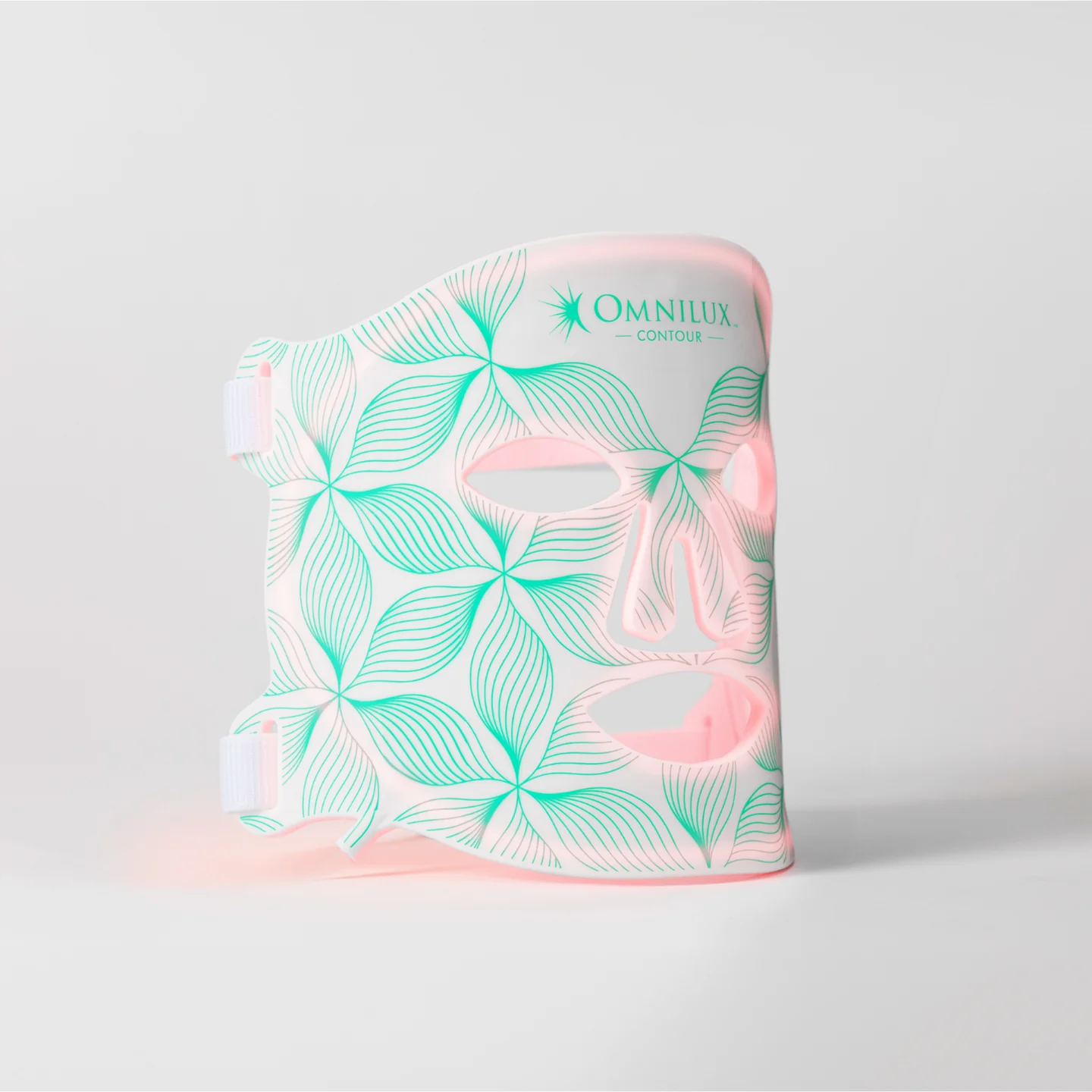

A percentage, a white coat, and the word clinical can make a product page feel unusually reassuring. The next useful step is to look beneath that presentation. You want to know what was tested, how it was compared, and what the result actually allows someone to say.
Find the exact thing that was tested
Start by locating the study or a clear summary. Was it the finished formula, one ingredient, a different concentration, or a laboratory model? Write that answer beside the product name.
A promising ingredient result can guide further research. It does not remove the need to establish that the product on sale supports its own advertised claim. The FTC’s guidance explains why the evidence must fit the claim being made.
Clinical describes a setting; the method supplies the meaning
A claim about testing in people is a beginning, not a complete study description. The NIH distinguishes observational studies, which observe relationships, from intervention studies that test an approach. Randomized controlled trials assign participants by chance to treatment or comparison groups, helping researchers assess whether the intervention caused a difference. You still need to know how the particular trial was designed.
For a product page, turn that distinction into a short question: were people simply asked about an experience, or was a defined outcome compared between groups? A questionnaire can tell you whether users liked a texture. It cannot automatically establish that an ingredient changed skin biology. A laboratory model can explore a mechanism without demonstrating a benefit in a person. Each method has a purpose. The difficulty begins when an advertisement borrows the reassurance of one kind of evidence while presenting a conclusion that requires another.
Sources: [3]
The comparison group changes the story
Consider an explicitly hypothetical moisturizer test. Thirty people use a cream for four weeks and say their skin feels softer. That result may be useful, but it leaves questions about what would have happened with their usual moisturizer, the product base without the highlighted ingredient, or no change at all. The comparison needs to match the claim being made.
Now imagine a trial comparing two formulas under the same conditions. Read what differs between them and what stays the same. If the new formula contains several changed ingredients, the result may concern the formula rather than one ingredient in isolation. If participants are allowed to add other treatments, look for how that was handled. Asking about a comparator is not a way to dismiss every small study. It is a way to understand which explanations the study can distinguish, and which remain possible.

A percentage needs a denominator and a definition
Suppose a fictional page says that eighty percent noticed an improvement. Ask how many people that represents, which question they answered, and what counted as improvement. Eight out of ten people saying they liked the feel is different information from a measured change in a larger comparison study. The number alone does not supply the missing definition.
Be equally careful with before-and-after pictures. Look for consistent lighting, angle, expression, and time since application. A photograph can illustrate a result, but selecting a striking example is different from describing the whole group. If the page offers only a cropped chart without methods, save the image and ask for the full report. You should be able to explain the finding in one plain sentence without adopting the marketing headline. If you cannot, the missing details belong in the decision, however impressive the percentage looks.
The IHE Edit
A simple shelf to practice reading
Three named formulas with different jobs. Compare the ingredients, directions, and exact claims instead of reading a scientific-sounding label as a verdict.
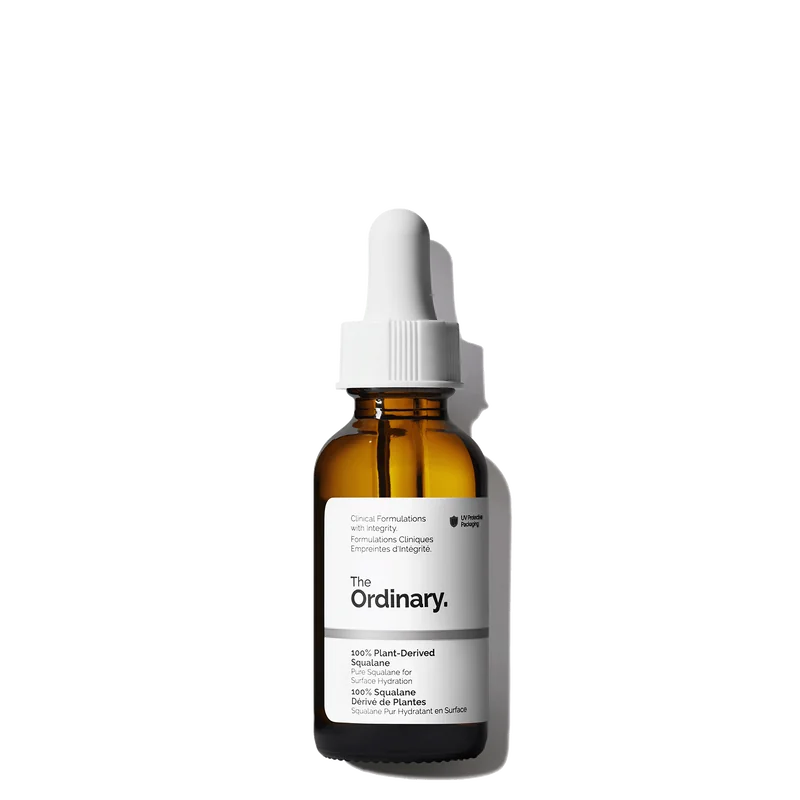
For a single-ingredient example
The Ordinary 100% Plant-Derived Squalane
A single-ingredient oil for skin or hair. A small amount through dry-looking lengths is a cosmetic finishing step, not a hair-growth treatment.
Shop The Ordinary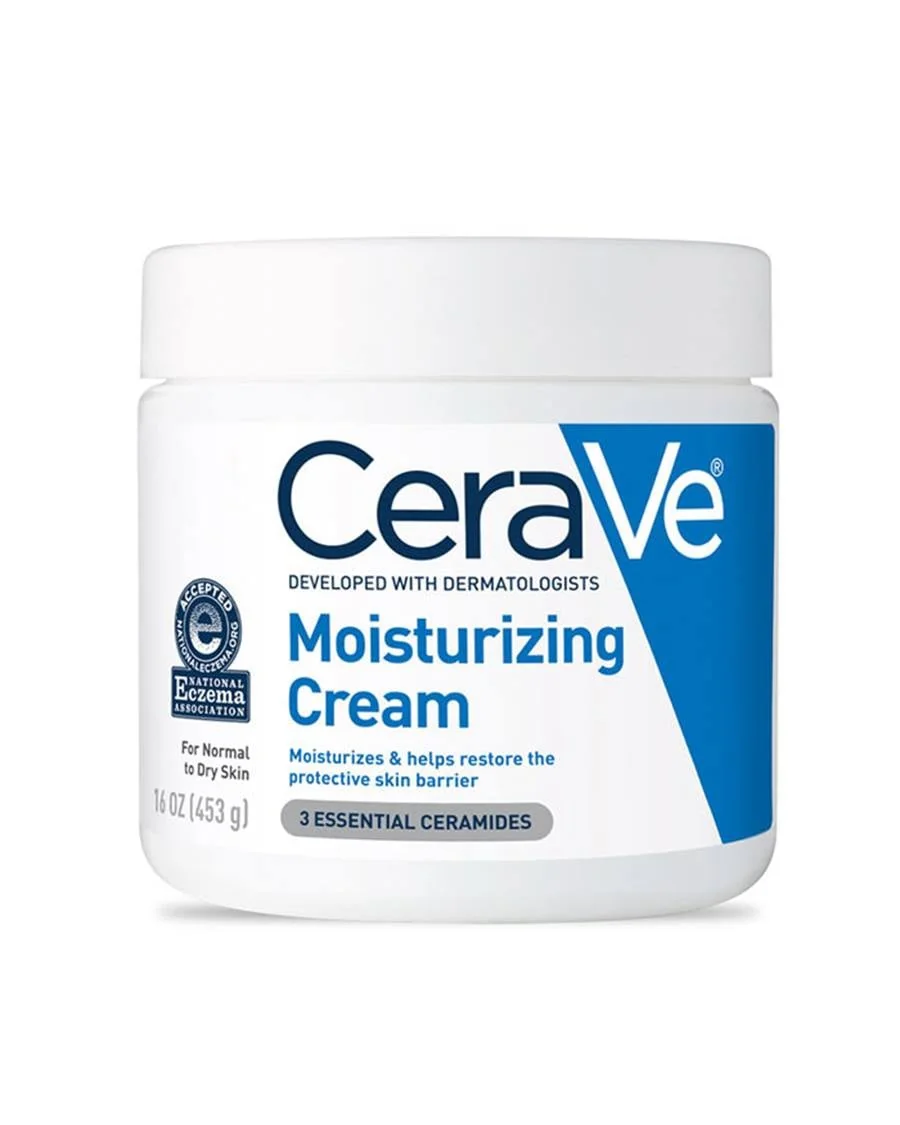
For a moisturizer comparison
CeraVe Moisturizing Cream
A fragrance-free cream with ceramides for face or body. A familiar moisturizer can keep the supporting routine simple.
Shop CeraVe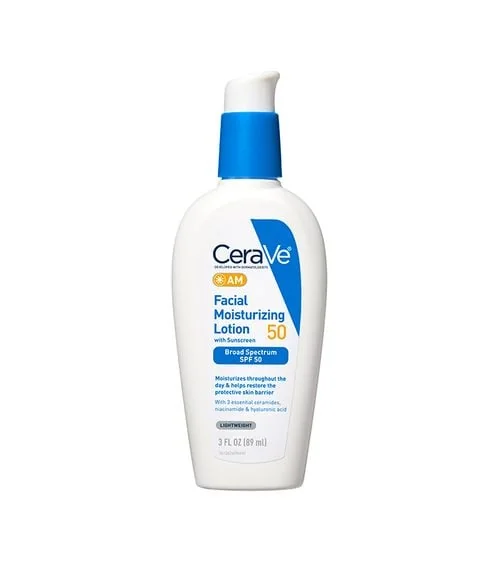
For reading an SPF label
CeraVe AM Facial Moisturizing Lotion SPF 50
A daytime moisturizer with broad-spectrum SPF 50. Apply and reapply according to the label; choose a water-resistant sunscreen for swimming or sweating.
Shop CeraVeIngredient evidence has to reach the product on your shelf
A formula contains a concentration, a vehicle, several ingredients, and instructions for use. A study of an ingredient at a different concentration does not automatically establish what this combination will do. The FTC's guidance requires evidence appropriate to the advertised claim. A mechanism may be interesting while leaving the finished product's performance uncertain.
Keep a shopping note with four spaces: product tested, people studied, outcome measured, and remaining question. Add funding or author affiliations where disclosed, but avoid assuming that sponsorship alone proves a result false. Instead, look for transparent methods and whether the conclusion stays within them. You may still buy a comfortable, affordable moisturizer with limited clinical information. State the reason honestly. It is easier to make a good purchase when a preference for a texture is not required to carry an unsupported promise about treatment, prevention, or superiority.
Sources: [1]
Ask about the comparison and the limits
Look for a control or comparison group, participant numbers, and any limitations the authors describe. Check whether the study population resembles the people the advertisement addresses. These details help you judge how far a result can travel.
Do not create a ranking from unrelated studies. Different outcomes, methods, and populations make comparisons difficult. A claim of superiority needs evidence that supports the comparison, not two impressive percentages from different pages.
A note you can keep beside your shopping list
- The exact product and formulation studied.
- The participants, comparison, and duration.
- The measured outcome rather than only the advertising summary.
- The source of funding and who conducted the study, where disclosed.
- The question the study still does not answer.
Leave room for an ordinary preference
You may choose a moisturizer because it feels comfortable and fits your budget. That is a valid reason. A pleasant everyday product does not need to become a scientific breakthrough to earn a place on your shelf.
Keep preference and evidence in separate sentences. It makes product conversations clearer—and helps you spend according to what matters to you.