
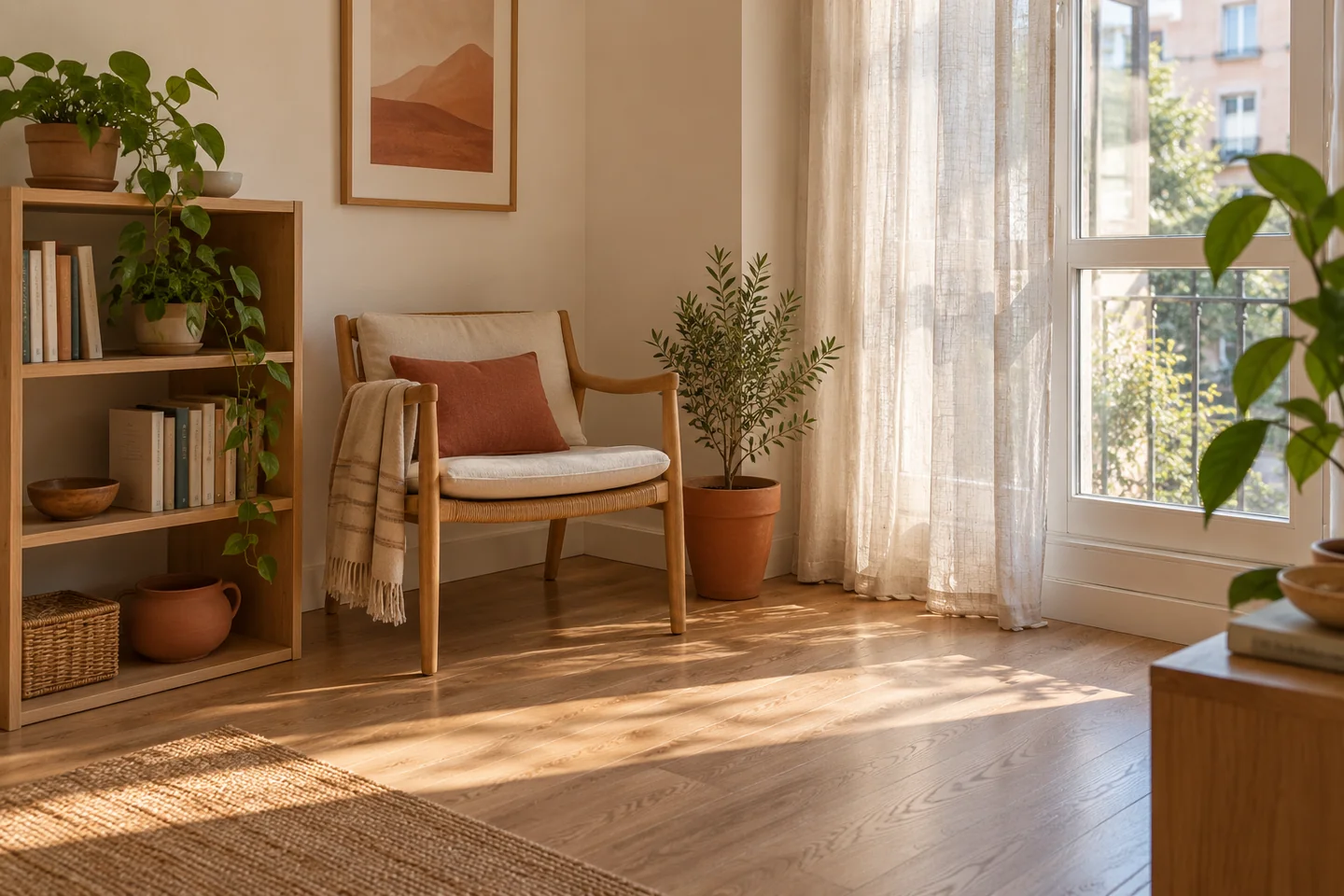
In a small home, a few objects can occupy a surprising amount of attention. The place you eat may also be where you work, and the sofa may be the only place to rest. A seasonal refresh can begin by making those transitions easier rather than filling the room with new things.
Move the light to where you want to spend time
Notice which corner you avoid after dark and which overhead light feels harsher than you want. Try an existing lamp in a different position before buying another. Keep cords out of walkways and follow the fixture’s bulb guidance.
A lamp beside a chair or on a shelf can make the room feel usable in a different way. Measure the surface and consider glare, reach, and the nearby outlet. The right light is practical as well as atmospheric.
Map the activities before rearranging the objects
List what the room needs to let you do: eat, work, rest, get dressed, and move between those activities. Put a mark beside the activity that currently has the least usable space. That may be dinner at a table covered in work, or reading in a chair without a reachable light. Start with that one problem rather than choosing a new look for the whole home.
The Good Trade's small-space guide emphasizes making limited space work thoughtfully. Use that idea to examine the transitions, not just the storage capacity. A tray that lets you move work items together may make the table more useful than another shelf. A clear route to the wardrobe may matter more than a decorative bench. A small room has less capacity for objects whose jobs are unclear. Let each change protect an activity you want the room to make easier.
Sources: [3]
Create zones that can change without construction
A zone does not have to be a separate room. It can be a cleared end of the table, a chair with a light, or a box of materials that appears when you want to draw. Give each activity a starting cue and a way to finish. Work begins when the equipment is set out; dinner begins when it is put away and the table is available.
Keep the reset short enough to repeat. If putting the office away requires carrying six separate objects through the home, keep them together where suitable. If a hobby is difficult to start because every tool is buried, store the useful materials in one accessible place. Avoid creating a system that needs to look immaculate to work. A shared space can show signs of living while still offering a clear place to eat, rest, or begin the next task.

Use light to support the task and the atmosphere
The Good Trade's lighting discussion is a useful prompt to think beyond a single overhead fixture. Compare what you need for reading, preparing food, and a quiet evening. Move an existing lamp and test its position while doing the task. Notice glare, shadows, the reach of the switch, and the safe route of the cord before choosing another fixture.
Read the fixture's bulb and placement instructions. A small table or shelf can be crowded by a lamp that looked compact online, so measure the space and allow room for the objects that already belong there. The lighting change can be modest: a useful reading light and an easier way to dim the room for another activity. You do not have to claim that a warm bulb transforms your health to appreciate a corner that now feels comfortable enough to use.
Sources: [4]
The IHE Edit
Three pieces for a useful little corner
A pool of light, a place for the tea, and a timer when the same corner needs to become a work space.
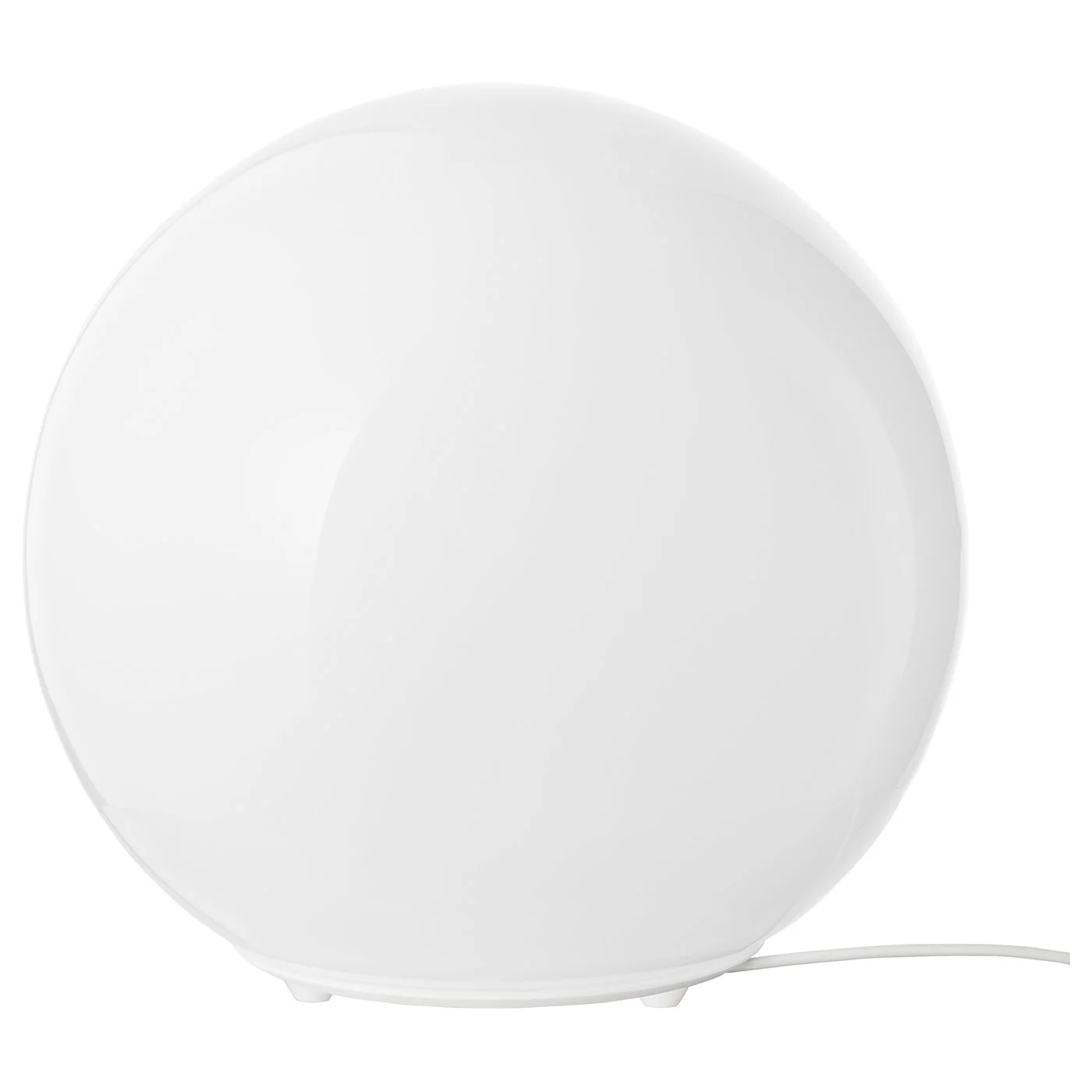
For the reading corner
IKEA FADO Table Lamp
A white-glass globe lamp for a softer pool of light beside a sofa or bed. Check the footprint and choose the bulb separately.
Shop IKEA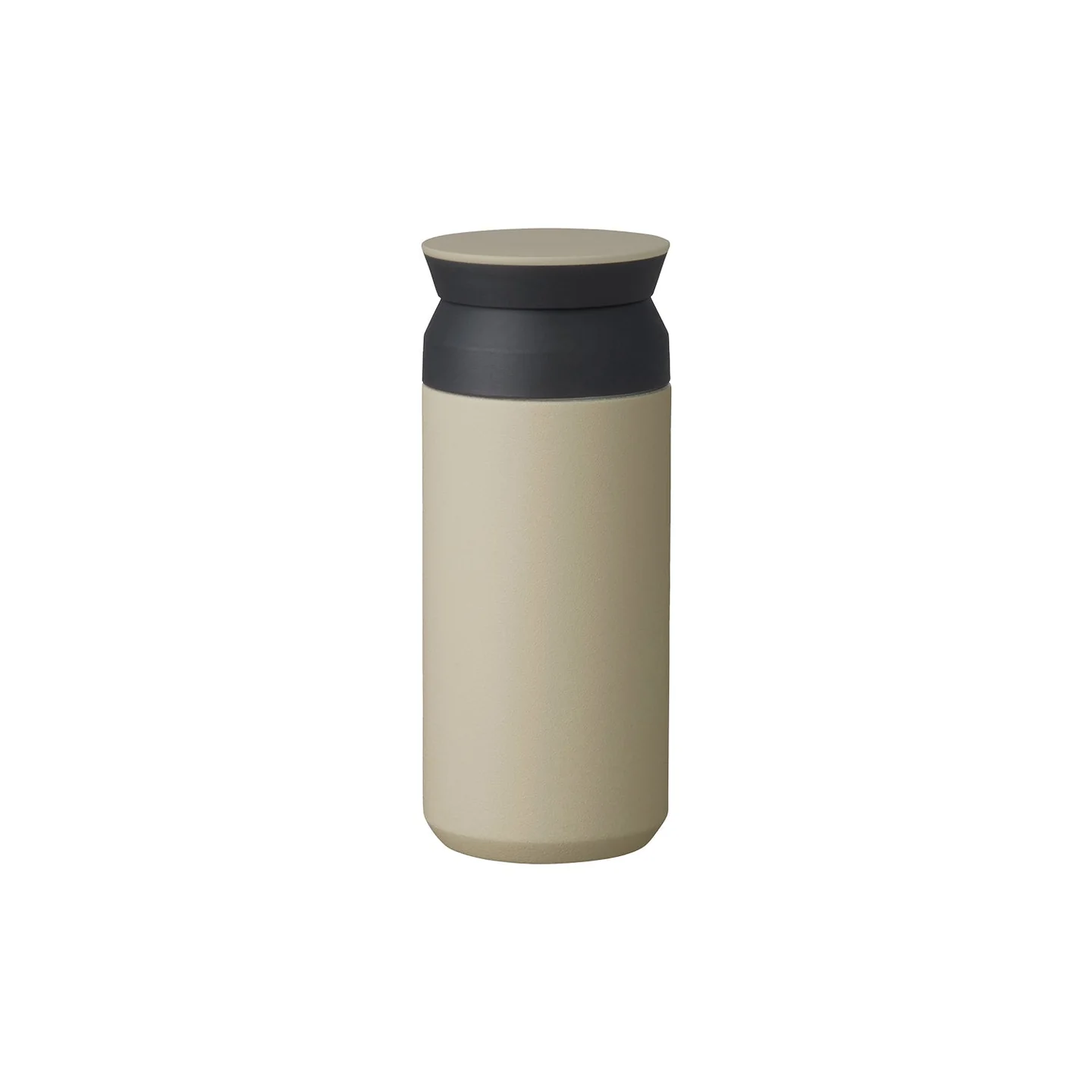
For keeping tea nearby
KINTO Travel Tumbler 350 ml
A compact insulated tumbler for the coffee or tea you already make. The 350 ml size keeps the ritual easy to take along.
Shop KINTO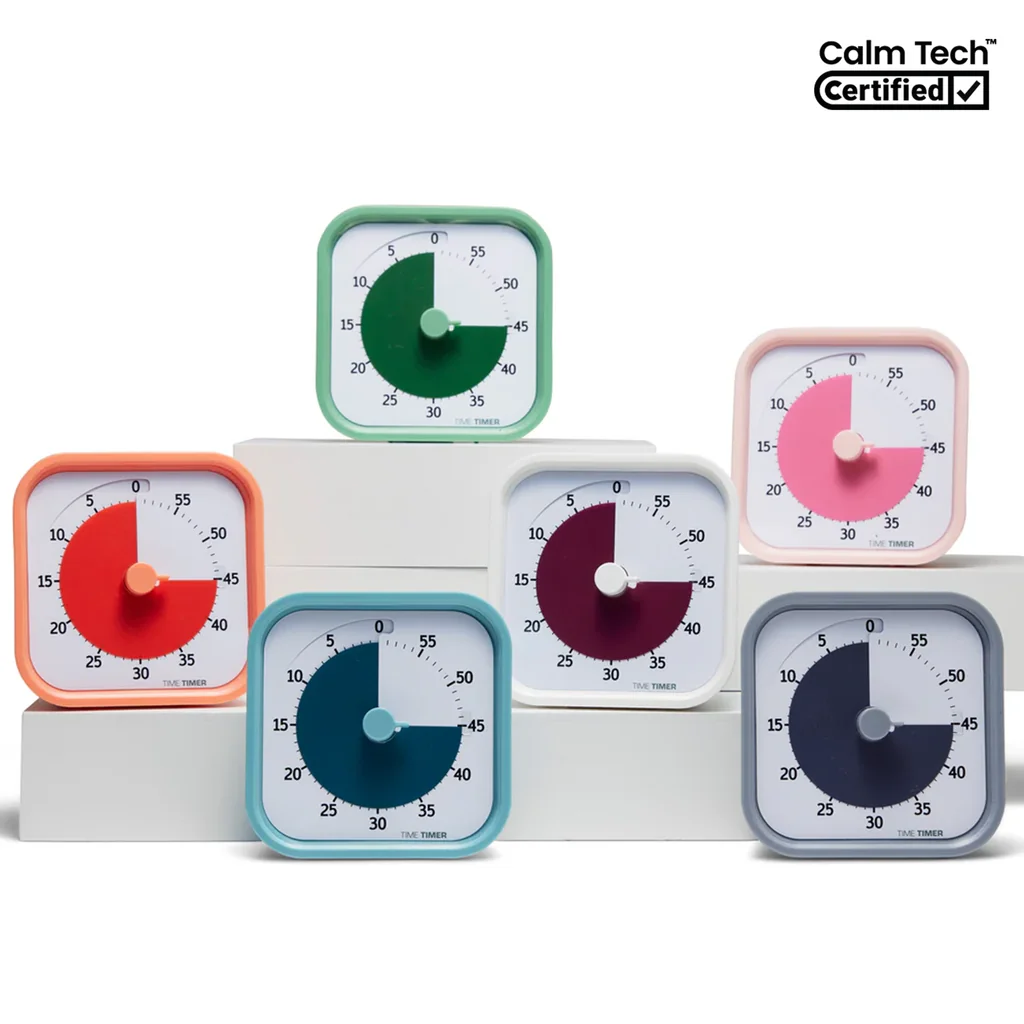
For a corner that changes jobs
Time Timer MOD Home Edition
A visual timer for giving a work block, break, or small household task a clear end. Choose the interval around the job you actually need to do.
Shop Time TimerMeasure the empty space as carefully as the furniture
Before adding storage, mark the floor area the new object would occupy and check whether doors, drawers, and people can still move comfortably. Consider what is accessible when the item is in place. A tall narrow unit can hold more objects while making the most-used ones harder to reach. More capacity is not automatically more convenience.
Try removing or relocating one underused object before purchasing another. Keep a temporary box for items you are uncertain about and set a date to decide where they belong. A clear surface can make room for an activity without needing a decorative replacement. For a seasonal change, use a blanket, mug, or cushion cover you already own and notice how much is enough. The room does not need to resemble a minimalist photograph. It needs enough space for the life you actually want to carry on inside it.
Change texture with what you already own
Move a blanket, rotate a cushion cover, or bring a favorite mug out from the back of the cupboard. A seasonal feeling can come from using things differently. Check that the change leaves enough space to sit, move, and set down a drink.
Avoid a visual refresh that creates more daily maintenance than you want. Open surfaces and reachable shelves can feel as comforting as decorative objects.
Make room for one inviting activity
Set a book where you like to read or keep the materials for a small hobby within reach. Let the room offer an obvious alternative to the screen. You are arranging a life, not only a photograph.
When you do buy, ask what practical role the item fills and where it will go. A small home makes that question visible. It can be an advantage: the most useful additions have a clear job from the start.