A linen shirt can make an entire wardrobe feel lighter. But the feeling in a photograph is not the same as how a fabric wears, washes, or fits into your life. The label is a helpful starting point—and it is only part of the story.
Begin with the job the garment needs to do
A shirt for a humid commute, a sweater for a cold office, and leggings for exercise have different demands. Think about movement, temperature, skin comfort, and how often you plan to wash the item.
Natural fibers can be appealing for their texture and wear. Blends and synthetic materials can also serve useful purposes. A rule that bans an entire category may leave you buying less practical clothes while overlooking the well-made pieces already in your closet.
Read composition before the lifestyle description
A product called a linen shirt may contain linen alongside other fibers. Read the percentages, then inspect the garment itself. Does it feel comfortable at the collar? Does the fabric become too sheer when stretched or held against light? Does the cut let you reach, sit, and move the way you need to? Composition tells you what is present; construction and fit tell you whether the item will work.
The Good Trade's fabric guide discusses natural, regenerated, recycled, and synthetic materials rather than one uniform category of good fabric. Keep those distinctions visible when browsing. A soft material made from a plant can still involve substantial processing. A blend may serve a practical purpose, such as stretch, without answering every environmental question. If a description uses a mood in place of percentages and care information, pause before letting the mood do the work of a specification.
Sources: [1]
Two labels can be credible and still answer different questions
GOTS addresses organic textile processing and includes requirements beyond the source fiber. OEKO-TEX STANDARD 100 concerns testing textiles and their components for harmful substances. The labels are not interchangeable: passing a substance-testing standard is not the same claim as having organically grown fiber. Check the specific standard name and the item covered, rather than assuming a logo applies to the brand's entire range.
Write down the question that matters to you before looking for a badge. Is it organic content, chemical testing, production transparency, or durability in everyday wear? A certificate may help answer one of those and leave the others open. Use the certifier's explanation and verification tools where available. Do not upgrade a narrow, verifiable statement into a promise that the garment has no environmental impact. Good information is useful precisely because it has a defined scope.

Try a laundry rehearsal before checkout
Picture the item after an ordinary week. It has been worn, needs cleaning, and has to be ready again soon. Can you follow its care instructions with the equipment and time you have? Would hand washing happen, or would the garment wait beside the laundry basket until next month? Check the label while there is still time to decide.
Also notice the garment's small practical features. Test the buttons and zip, check whether the lining moves comfortably, and inspect seams for loose stitching. Try sitting down in it rather than evaluating it only in a standing mirror pose. If ironing is essential to the appearance you want, include that in the purchase decision. A lower price does not make an unusable care routine disappear. Neither does a beautiful fiber name. The most useful material is part of a garment you can realistically wear and maintain.
The IHE Edit
Three fibers, three different layers
Linen, cotton, and cashmere offer different textures and care needs. Start with the job the garment has to do.
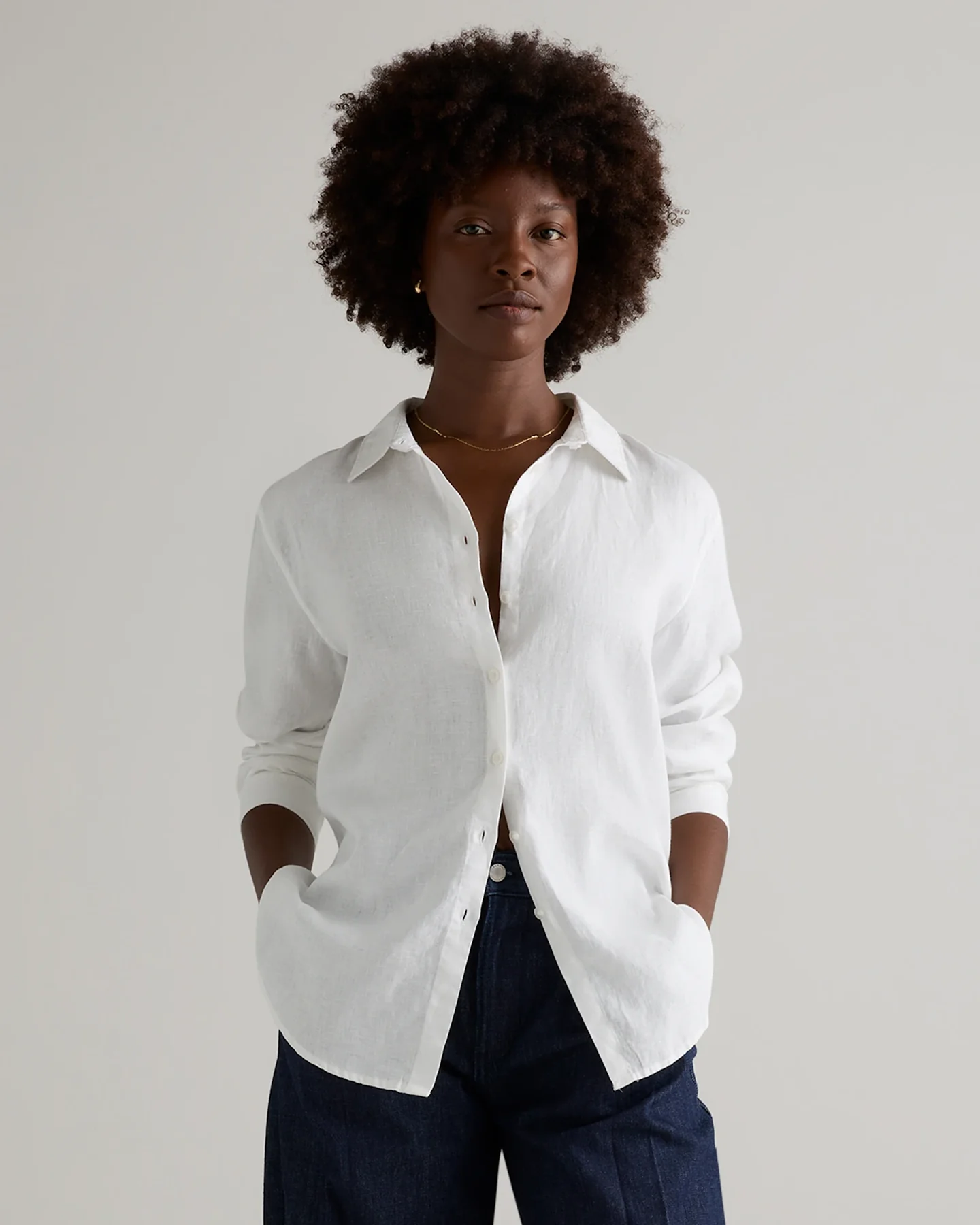
For a light linen layer
Quince 100% European Linen Long Sleeve Shirt
A linen shirt for a light, easy layer. Read the fit and care instructions alongside the fiber label before deciding how it will work in your wardrobe.
Shop Quince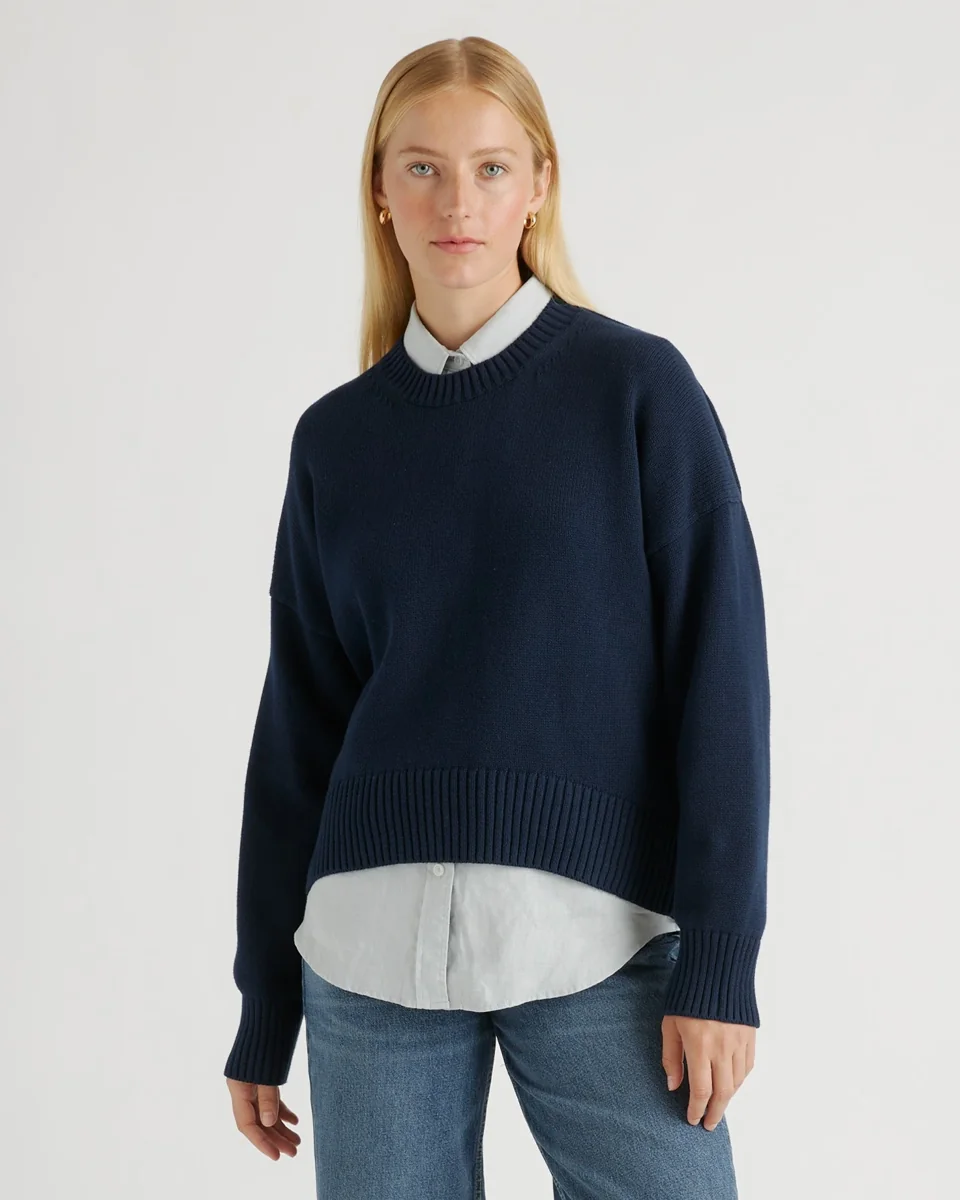
For a cotton knit
Quince 100% Organic Cotton Boyfriend Crew Sweater
An oversized, cropped crewneck in organic cotton. Compare its drape and laundering needs with the linen and cashmere options rather than treating all natural fibers alike.
Shop Quince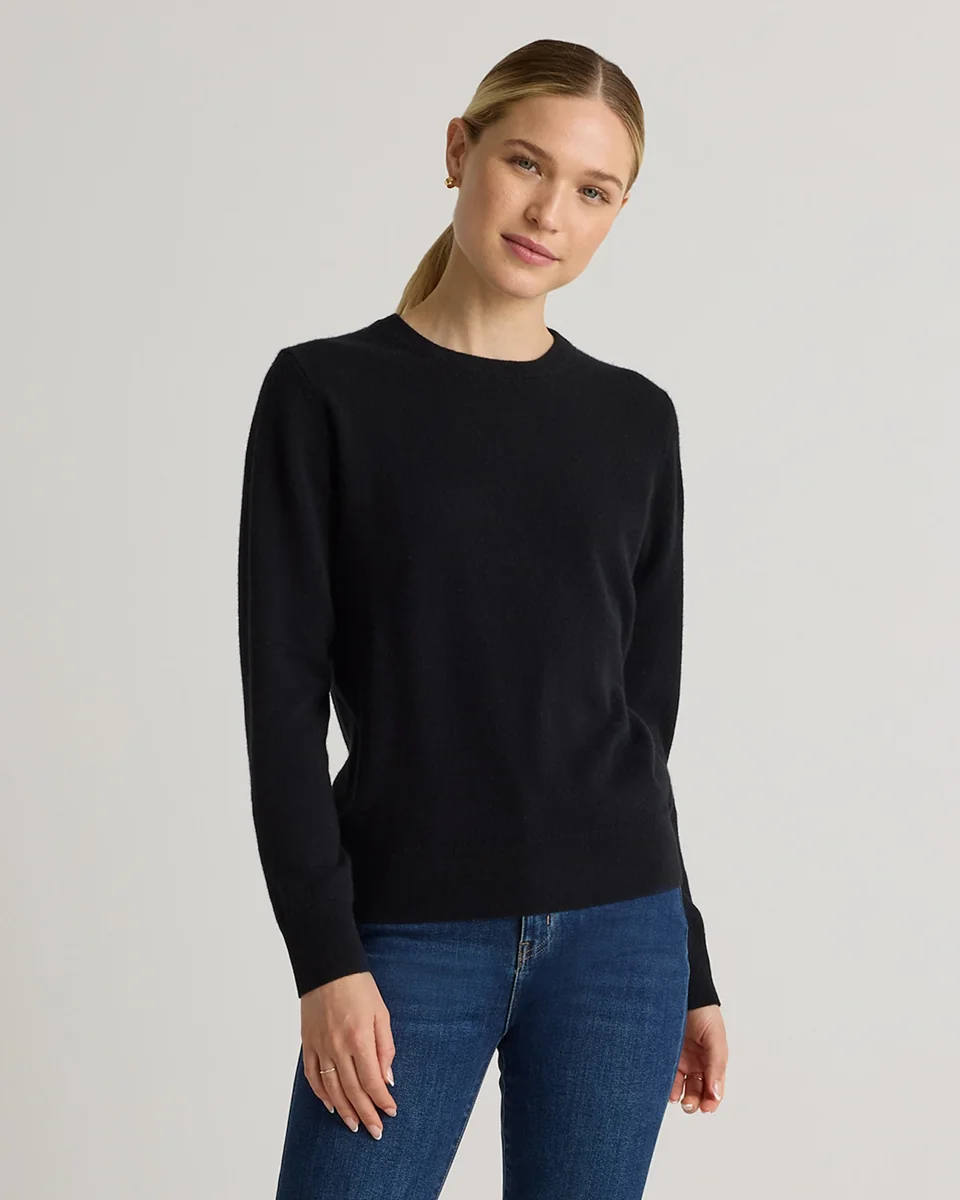
For a warmer cashmere layer
Quince Mongolian Cashmere Crewneck Sweater
A cashmere crewneck for a warmer layer. Check the current care directions and make room for drying and storage before choosing it.
Shop QuinceCompare against the repair, not only another new item
Identify the exact gap you are trying to fill. If the problem is a loose hem, a missing button, or a shirt that no longer fits comfortably at one seam, a repair or alteration may answer it. If the problem is that you need a different layer for a cold office, choose for that job. Clear problems create clearer purchases.
Make three outfits using clothes you already own before buying the addition. Include shoes, outerwear, and the bag you actually carry. An item that demands three supporting purchases may not be the simple upgrade it seemed. The Good Trade emphasizes repeated use rather than treating sustainability as something acquired at checkout. Let that idea keep the decision grounded. You can appreciate an attractive new collection while deciding that your current shirt, with a repaired cuff, already belongs in the life the collection is advertising.
Sources: [1]
Ask for specific sustainability details
The Good Trade’s fabric guide is a useful introduction to material choices. When buying, go further than a single natural or eco-friendly label: look for clear information about sourcing, production, and any independently verified certification.
A material name alone does not settle every environmental trade-off. Treat broad claims as questions to investigate, and avoid buying a replacement solely because its marketing sounds more responsible.
Give the clothes you own a longer future
Try the item with three pieces from your current wardrobe before removing the tags. If it needs an entirely new set of supporting purchases, reconsider. Repairing a seam, adjusting a hem, or changing how you style an older shirt may solve the original problem.
The useful wardrobe is the one you can live in, care for, and return to. A softer shopping habit starts with paying attention to those details before the checkout page.