Away from home, routines meet late flights, unfamiliar beds, and a breakfast schedule you did not choose. Packing every habit can turn a trip into a logistics exercise. Instead, choose the few things that make the day easier and let the rest adapt.
Choose three anchors before you pack
Think in ordinary needs: something to drink from, a reliable way to eat when plans shift, and the personal care items you actually use. Put essential medicines and important items where you can reach them during transit.
Your anchors might be breakfast, a short walk, and a simple evening routine. They do not have to look identical to home. The purpose is to create a familiar place to return to when the schedule becomes unpredictable.
Pack by consequence, then by convenience
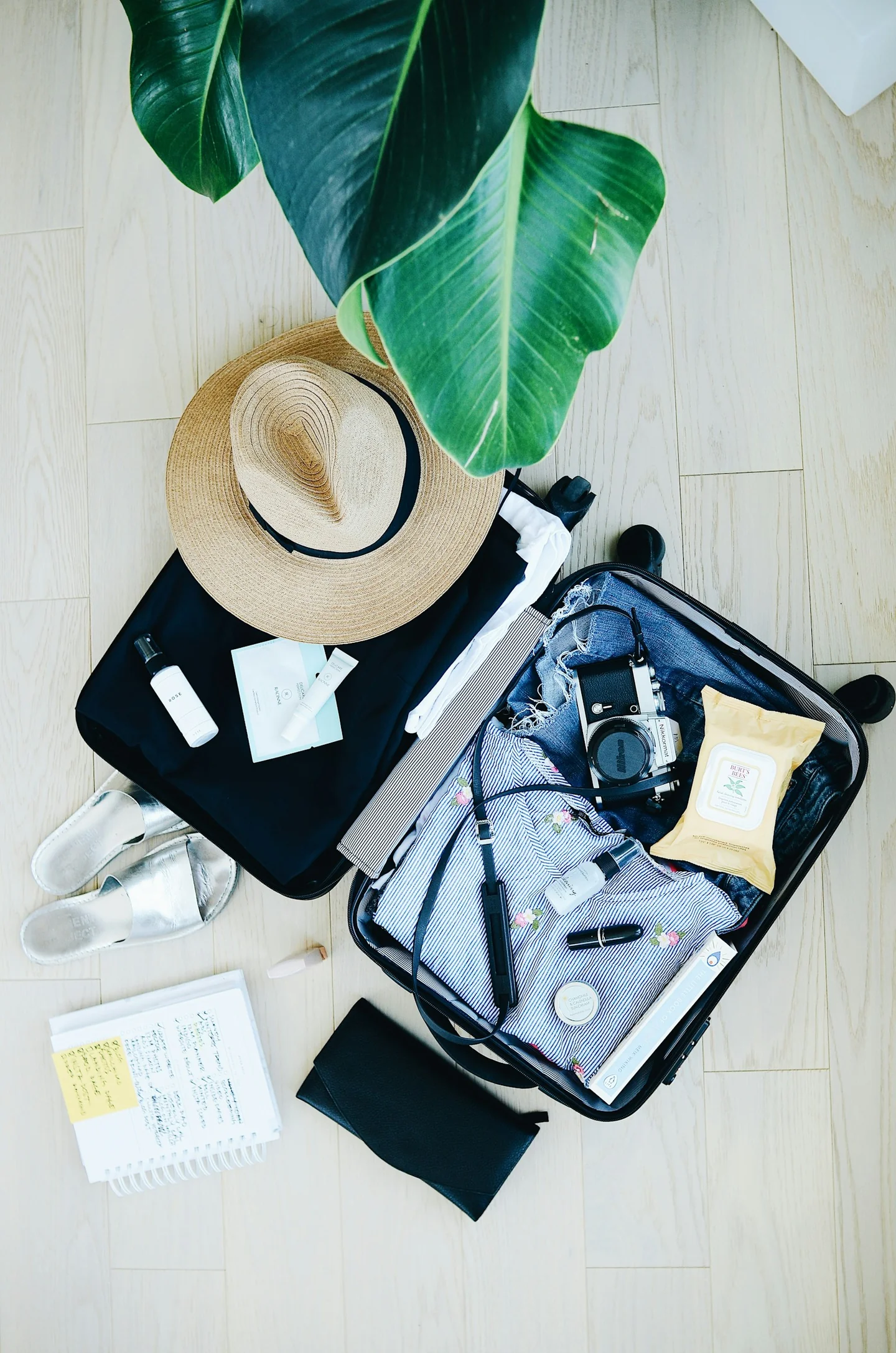
Separate items into what you need during transit, what you need on arrival, and what can wait for the suitcase to be fully unpacked. Important documents, essential medicines, and the information needed to reach your accommodation belong in the first group. A fresh set of clothes and a familiar personal-care routine may belong in the second. Decorative extras belong later.
Make a small arrival pouch rather than distributing the first night's essentials across several bags. Include only what you know you will use. Check the transport rules and any destination requirements for medicines before departure; requirements differ, so a generic packing list cannot resolve them. The Everygirl's travel advice emphasizes reducing the decisions that accumulate around a trip. Use that idea to simplify the order of access. A smaller routine is most useful when the necessary part is easy to reach at the moment you need it.
Sources: [2]
Jet lag is a timing problem, not proof you packed badly
Crossing time zones can leave your internal schedule out of step with local time. The CDC's Yellow Book treats jet lag as a circadian timing issue and discusses sleep timing and light exposure in relation to travel direction. That is more specific than ordinary fatigue after a long journey. Advice that helps on one itinerary may not suit another.
For a short practical plan, note your arrival time, the destination's local bedtime, and the commitments that truly cannot move. Avoid scheduling an ambitious first morning if the trip allows flexibility. Seek itinerary-specific advice if you are considering medicines or timed melatonin; this story is not a dosing guide. A familiar evening routine can make a hotel feel easier to settle into, but it does not instantly reset a body clock. Let the first day reflect the journey you actually made rather than the energy you hoped to have.
Sources: [3]

Keep skincare familiar when the surroundings are changing
Travel changes several variables at once: water, weather, sleep, and access to your usual products. Bringing a small version of products you already tolerate makes the routine easier to interpret. Read your containers before decanting and label them clearly. A clear gel and a clear serum should not become a nightly guessing game.
The Everygirl's travel skincare discussion is a useful reminder to keep the basics accessible. Pack for the conditions you expect and leave unfamiliar actives for a time when you can assess them calmly. If you need a replacement on the trip, buy for the immediate job rather than recreating an entire shelf. Ask whether a cleanser, moisturizer, or sunscreen is the missing item. A limited routine can be intentional. It becomes less helpful when every delay sends you shopping for a new solution that you have not used before.
Sources: [4]
The IHE Edit
Three familiar things to take along
A drink, a packed snack, and a familiar daily SPF can make an unfamiliar schedule feel a little easier.
For the day bag
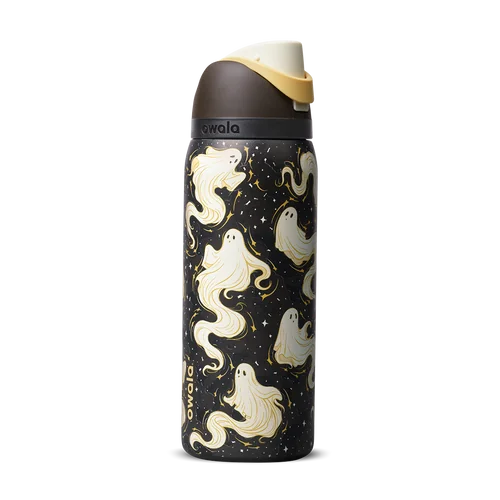
Owala FreeSip 32 oz — Round We Ghost
A reusable 32-ounce bottle for the water you want close at hand. The pictured FreeSip is the Round We Ghost colorway; check current color availability.
Shop Owala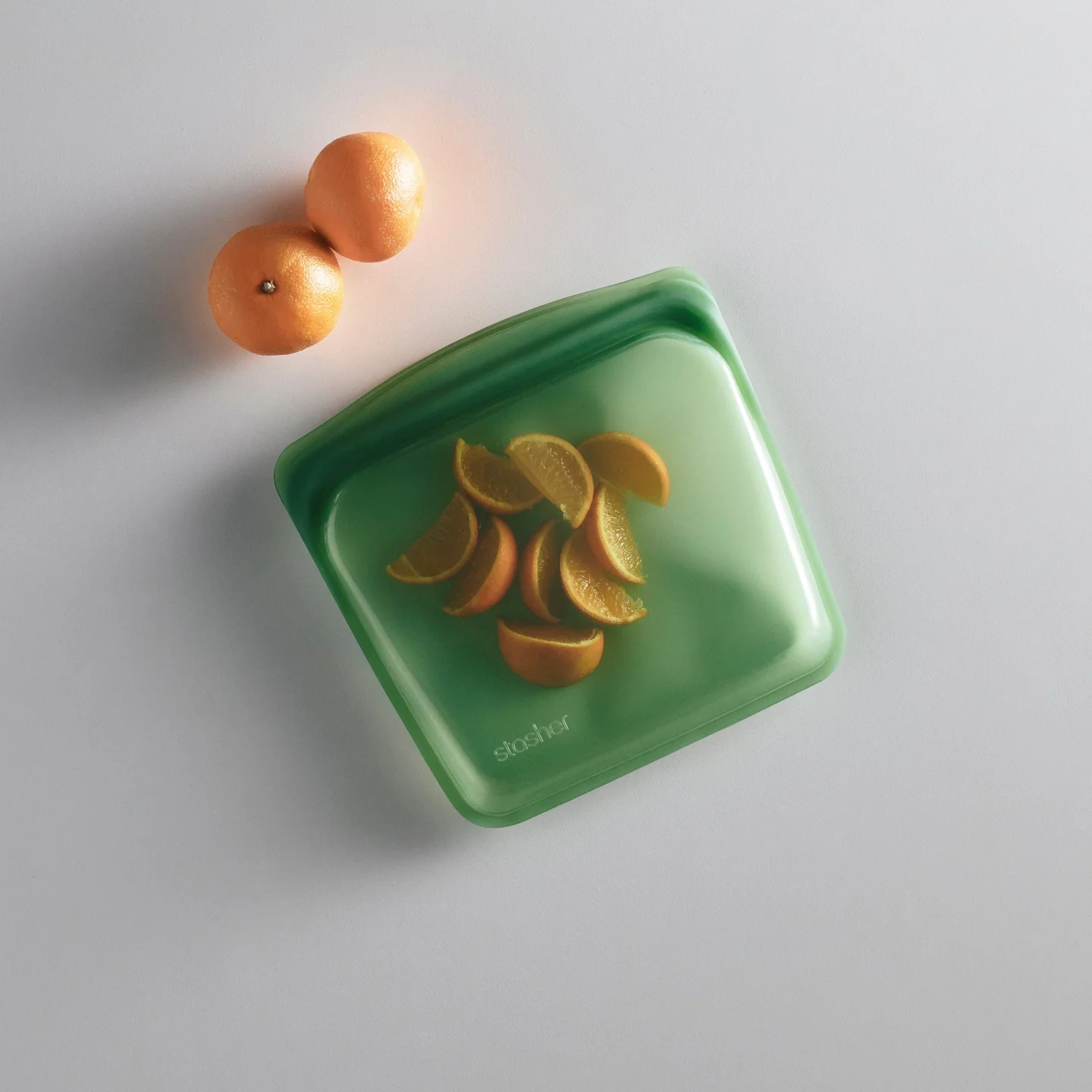
For a travel snack
Stasher Sandwich Bag
A reusable silicone sandwich bag for a sandwich, fruit, or a handful of crackers. Keep perishable fillings appropriately chilled.
Shop Stasher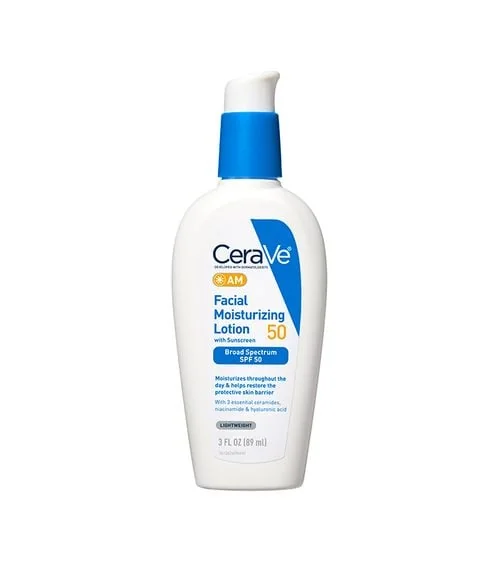
For the daytime routine
CeraVe AM Facial Moisturizing Lotion SPF 50
A daytime moisturizer with broad-spectrum SPF 50. Apply and reapply according to the label; choose a water-resistant sunscreen for swimming or sweating.
Shop CeraVePlan the flexible day before the trip gets busy
Give the itinerary a small fallback. If the outdoor walk is rained out, identify an indoor place you would enjoy. If the restaurant booking falls through, know an easy nearby meal. If the journey leaves you tired, choose one experience to keep and let another move. The fallback should make the day easier to enjoy, not resemble a second full itinerary.
Check opening times, access, and travel routes close to departure, because those details can change. Leave some space between an arrival and a timed booking. If you are traveling with others, discuss which plans matter most before the difficult day happens. The routine's job is to support the trip, including its ordinary needs and interruptions. You can return home having enjoyed a neighborhood walk, a good lunch, and an unhurried evening without proving that every home habit survived unchanged.
Build movement into seeing the place
Choose a walk that also gets you somewhere you want to go: a café, a park, or the first neighborhood you hope to explore. Rest when transit has been tiring and adjust for weather, accessibility, and safety.
An unfamiliar city does not owe you a perfect workout. Let movement be one way to experience it. Keep a fallback for a rainy day and avoid making the itinerary depend on ideal conditions.
The arrival-night version
- Set out tomorrow’s essentials before opening every bag.
- Find an easy meal and a place to refill your water bottle.
- Confirm one plan for the morning and leave the rest flexible.
- Put away the things that make the room feel like ongoing transit.
- Allow the first evening to be quieter than the trip’s highlight reel.