
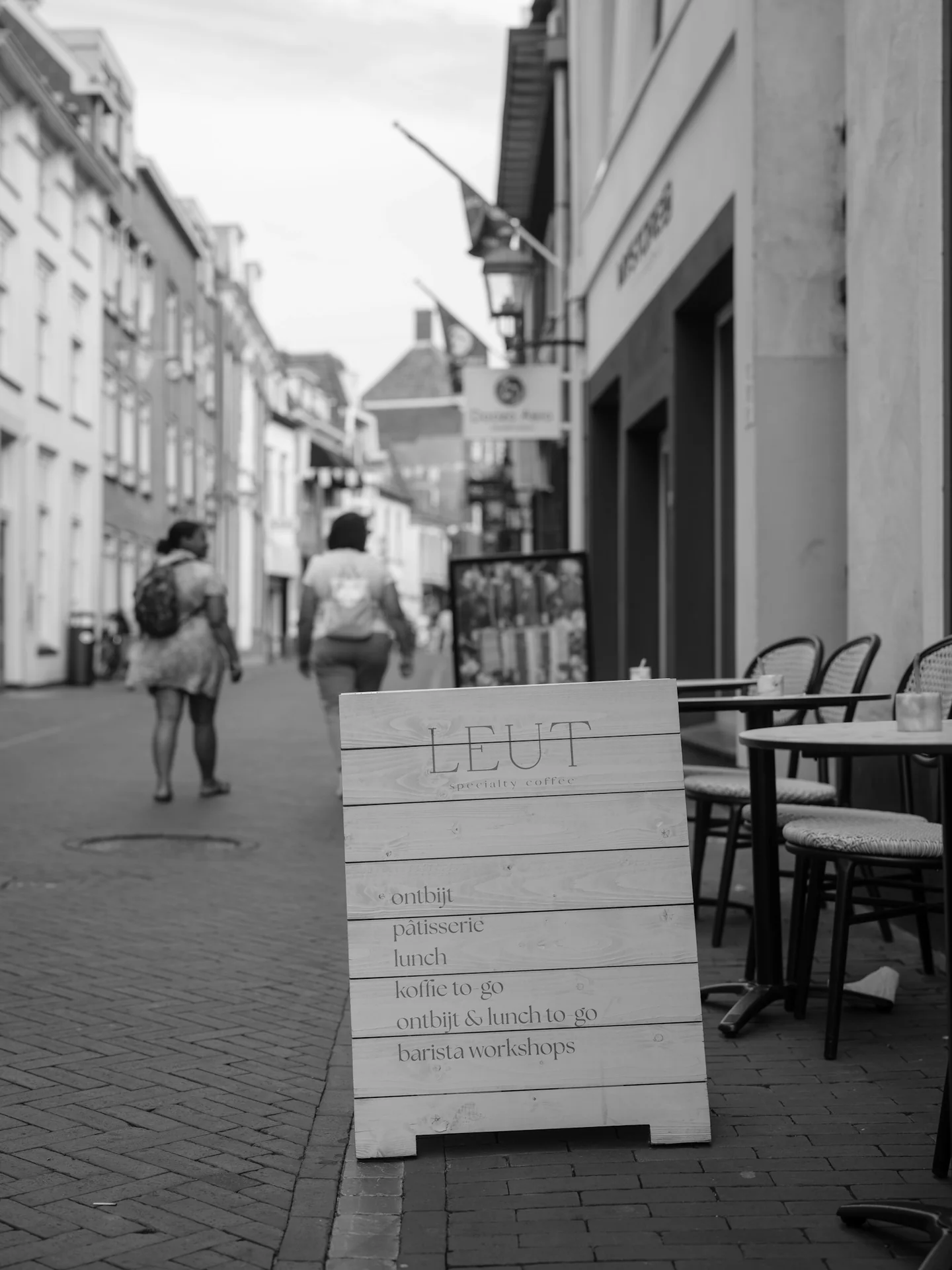
Two days in a new city can disappear into transport, ticket queues, and the effort to prove you saw enough. Try a different brief: choose a smaller area, give each day one anchor, and leave room for the place to surprise you.
Choose a neighborhood before a checklist
Look for a base with realistic access to what interests you and transport that suits your needs. Read about the area beyond the most photographed spots. A market, library, independent shop, or local café can help you understand an ordinary part of the city.
Check opening hours, accessibility, and local guidance before arriving. Slower travel does not mean skipping preparation; it means using preparation to avoid spending every hour on logistics.
A slower pace can fit a short trip
The Good Trade describes slow travel as a more considered engagement with a place rather than a race through destinations. You do not need several free weeks to borrow the principle. On a short trip, reducing transfers and leaving space around a chosen experience can make the available time feel less fragmented.
Choose one area that suits your interests and access needs. Read about its ordinary places as well as its landmarks: a market, a public garden, a small museum, or a neighborhood bakery. Check opening times and whether the routes work for you. Slower does not have to mean walking everywhere, spending more money, or choosing an inconvenient form of transport. It means making fewer competing plans so you can engage with the ones you keep. The pace should suit your energy, budget, companions, and the conditions of the trip.
Sources: [1]
Put transfers into the itinerary as real time
A museum visit includes reaching the museum, finding the entrance, queuing if necessary, and returning or moving on. Put those transitions on the plan instead of treating the map's travel estimate as the complete cost. Leave a margin for weather, access, and a meal. A short distance can still require attention in an unfamiliar place.
Try a hypothetical first day with one morning anchor, lunch nearby, and an open afternoon. Add one optional stop in the same area rather than three obligations across the city. If the anchor takes longer because you enjoy it, the optional stop can disappear without making the day a failure. Preparation is doing useful work here: it creates the freedom to linger. It should not turn into a spreadsheet so full that any unexpected pleasure becomes a delay that must be corrected at the next stop.

Return somewhere and let the second visit be different
A second visit can reveal something the first was too busy to show. At the café, you already know how to order. In the park, you recognize the path and can notice a different detail. On the street, you can look beyond navigation. Familiarity gives attention somewhere to settle instead of making every encounter begin with orientation.
You do not have to manufacture a relationship with a place or describe yourself as a local after two days. Be a considerate visitor: follow local guidance, respect residential spaces, and ask before photographing people where appropriate. Choose businesses and experiences you actually want to support, not only those that look useful in a travel post. The slower approach is an opportunity to notice more with less movement. It does not require turning a brief trip into an exaggerated story about belonging.
The IHE Edit
Three companions for an unhurried day
Carry a drink, keep water handy, and leave a little room to reflect when you return.
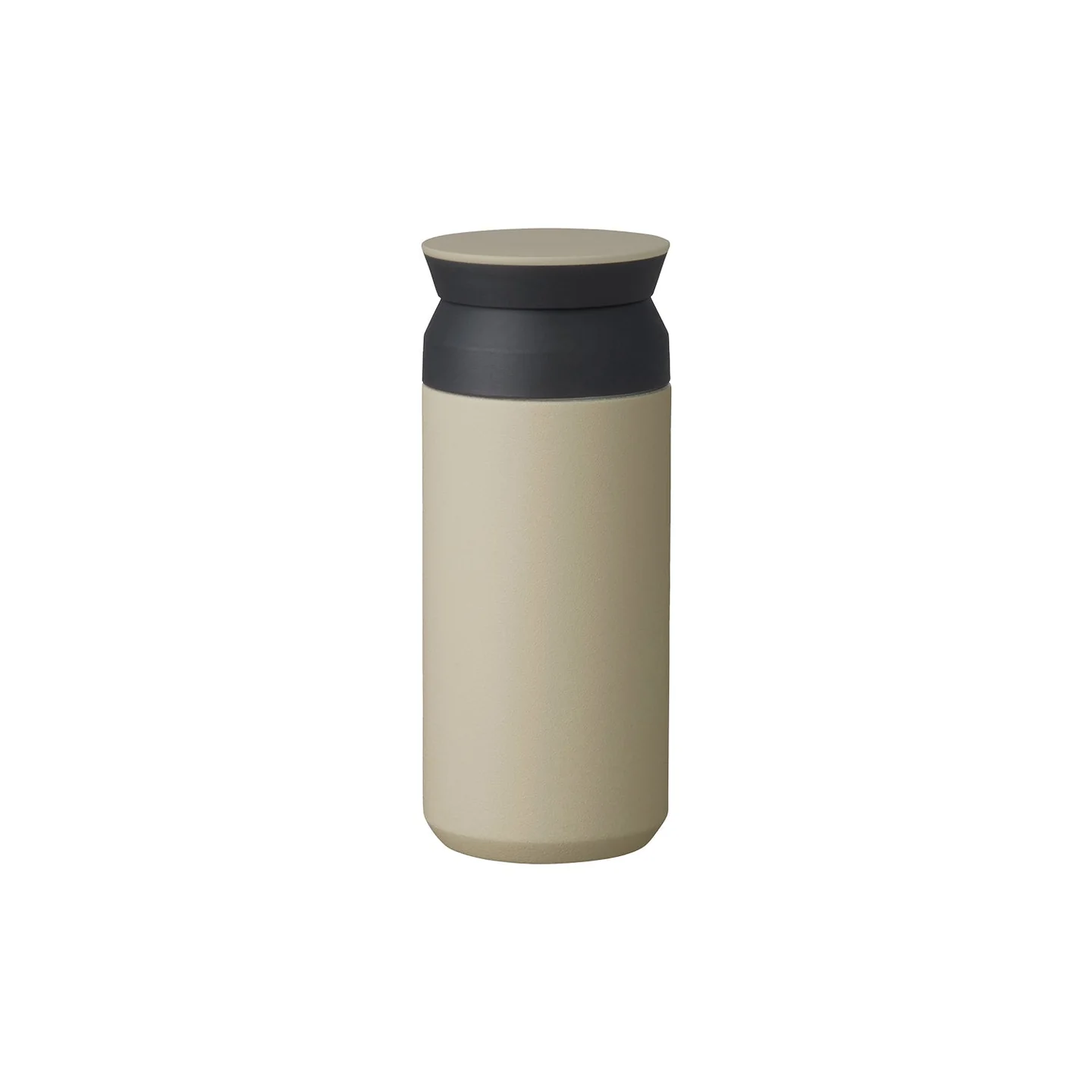
For the neighborhood coffee stop
KINTO Travel Tumbler 350 ml
A compact insulated tumbler for the coffee or tea you already make. The 350 ml size keeps the ritual easy to take along.
Shop KINTO
For the longer walk
Owala FreeSip 32 oz — Round We Ghost
A reusable 32-ounce bottle for the water you want close at hand. The pictured FreeSip is the Round We Ghost colorway; check current color availability.
Shop Owala
For the evening check-in
Intelligent Change The Five Minute Journal
A journal with morning and evening prompts for a brief check-in. Useful if a little structure helps you begin; a blank notebook can work, too.
Shop Intelligent ChangeDecide what can move when the weather does
Keep one alternative for the activity most dependent on conditions. A wet morning might become a museum visit rather than a long outdoor route. A hot afternoon might become a quieter indoor stop and an evening walk. Check current hours and access information before relying on the alternative. The point is to avoid spending the first difficult hour researching the whole city again.
If you travel with others, agree on the one experience each person most wants before adding the optional ideas. Build around those priorities, then leave space. On departure day, protect packing and transport time rather than squeezing in one last distant sight. A good short trip can end with a familiar breakfast and an unhurried journey to the station. The experience is not made less valuable by leaving some places for another visit. An itinerary that permits attention can be more memorable than one that permits only completion.
Return somewhere on the second day
Visit the same café, park, or street again if you enjoyed it. Familiarity can reveal details you missed while trying to orient yourself. Repetition is not wasted travel time.
The Good Trade’s discussion of slow travel emphasizes a more considered pace and engagement with a place. Even a short trip can borrow that principle by reducing the number of destinations and supporting businesses you actually encounter.
A loose 48-hour plan
- Arrival: settle in, find an easy meal, and take a short orientation walk.
- Day one: one anchor experience, a nearby lunch, and an open afternoon.
- Day two: return to a favorite place and choose one new stop if you want it.
- Before leaving: allow enough time for packing and transport.
- Throughout: adjust for weather, access, safety, and the energy you have.