
A good wash day does not look the same for everyone. Texture, styling, scalp oil, and the way you wear your hair all shape what feels comfortable. Instead of copying someone else’s calendar, start with the two places your routine needs to serve: the scalp and the lengths.
Let the scalp set the washing question
Notice oil, sweat, buildup, and discomfort. The American Academy of Dermatology recommends adjusting washing frequency to the hair and scalp, including washing more often when the scalp becomes oily. There is no one interval that suits every texture and routine.
If an online rule leaves your scalp itchy or coated, reconsider it. A routine should respond to what is happening rather than prove loyalty to a trend. Persistent flaking or irritation may need a separate assessment.
One wash day is serving two different places
The scalp is skin; the lengths are hair you have grown and now handle, style, and protect. Cleaning and conditioning therefore have different jobs. The AAD recommends concentrating shampoo on the scalp and letting the rinse move through the lengths rather than aggressively rubbing them. Think about where the oil and product buildup actually are before using the same motion everywhere.
Make two observations after a wash. First, does the scalp feel comfortable and clean? Second, do the lengths feel manageable? If the scalp feels coated while the ends feel rough, adding more of one product may not answer both problems. Check application, rinsing, and product directions before changing the entire routine. A good wash does not have to leave every part of the hair feeling identical. It should address cleaning where cleaning is needed and conditioning in a way suited to the hair you have.
Sources: [3]
Frequency belongs to the scalp, texture, and styling routine
A universal wash calendar sounds decisive but ignores the differences between oily scalps, dry hair, curls, protective styles, exercise, and the products used between washes. The AAD's healthy-hair guidance supports adjusting frequency to the hair and scalp. Notice comfort and buildup rather than judging the number of days as inherently good or bad.
Keep a short record for a few washes: when you washed, what you used, and how the scalp and lengths felt afterward. If you change the interval, keep the products familiar so you can interpret the result. An itch that persists regardless of the schedule deserves assessment rather than a more committed attempt to train the scalp. The useful question is whether the routine is serving your hair and skin. It is not whether you can match the longest interval demonstrated in an online routine.
Sources: [1]

Handling can matter as much as the next bottle
The AAD's guidance on damaging habits distinguishes approaches for straight hair and textured hair or tight curls when detangling. It also advises gentler towel handling, less excessive heat, and avoiding tightly pulled styles. Those are reasons to look beyond shampoo when the problem is breakage. A product cannot undo every source of repeated friction or tension.
Trace the day between washing and the next wash. Do you pull a comb through resistant knots? Does a style feel tight? Is a heat tool used repeatedly on the same section? Choose one change you can maintain, such as working through tangles more gently or loosening a style. Follow the tool and product instructions. If the problem is at the scalp or hairline, especially with pain or visible loss, bring that to a dermatologist. Keep cosmetic manageability and a possible medical concern as separate questions.
Sources: [3]
The IHE Edit
Give each wash-day step a job
Cleansing, conditioning, and finishing the lengths are different tasks. Choose for the part of the routine that actually needs attention.
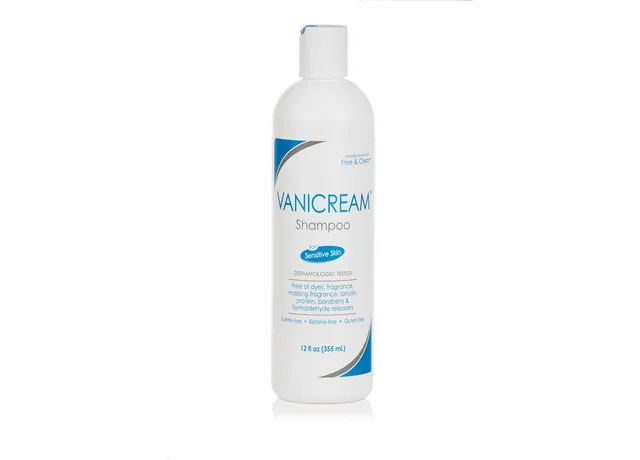
For the scalp-cleansing step
Vanicream Shampoo
A fragrance-free, non-medicated shampoo for the cleansing step. Choose the washing frequency around your scalp and styling routine.
Shop Vanicream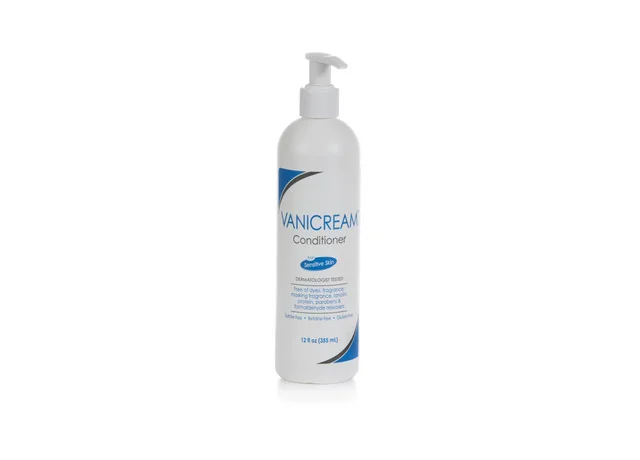
For detangling the lengths
Vanicream Conditioner
A fragrance-free rinse-out conditioner for easier detangling. Concentrate on the lengths that need it and follow the bottle’s directions.
Shop Vanicream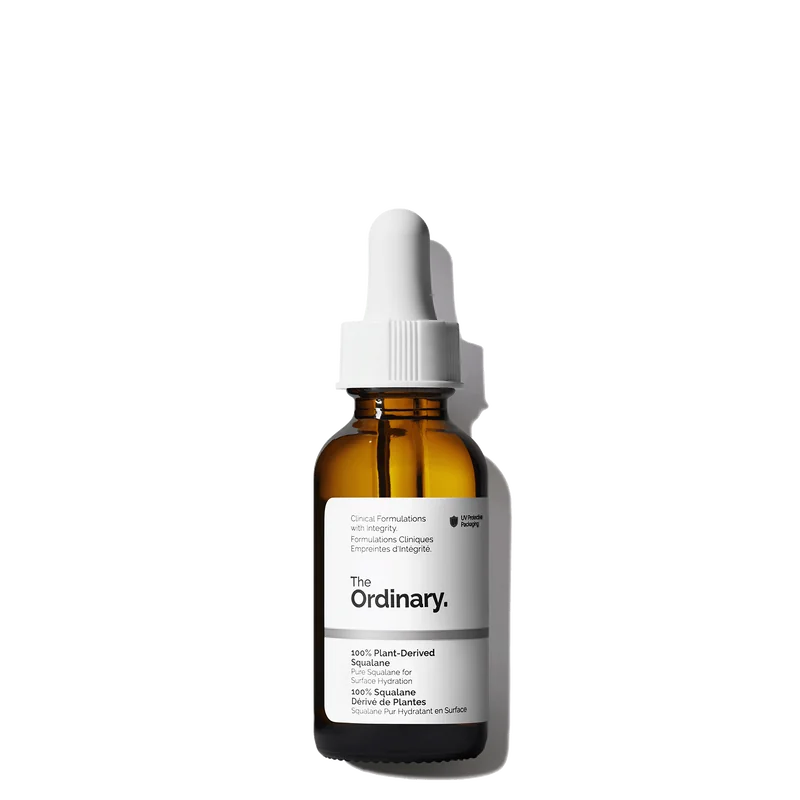
For a small finishing step
The Ordinary 100% Plant-Derived Squalane
A single-ingredient oil for skin or hair. A small amount through dry-looking lengths is a cosmetic finishing step, not a hair-growth treatment.
Shop The OrdinaryChoose the product according to its role in the routine
The Everygirl's expert-led discussion of hair mistakes is a useful prompt to examine habits, but a product recommendation is still shaped by the person and hair type it is intended for. Read what the product is designed to do. A styling cream, conditioner, clarifying shampoo, and medicated scalp treatment are not interchangeable steps.
When replacing one item, write down the problem it should address and how you will use it. Keep the other steps familiar for a few washes unless a clinician advises otherwise. Consider application and rinsing before deciding that a brand is the answer: a concentrated product used without following directions may leave a different result from the one you expected. The useful wash-day routine can be quite small. It becomes informative when you know why each step is present and which observation would tell you that the plan needs to change.
Sources: [2]
Check the handling between washes
Detangle gently with tools suited to your hair. Consider how tight styles, rough towel drying, and repeated heat fit into the week. A new shampoo cannot undo every source of mechanical damage.
Choose one handling change you can repeat: a gentler detangling process, a less tight style, or following heat-tool guidance more carefully. Keep the experiment small so you can tell whether it made wash day easier.
Give a scalp problem its own appointment
Pain, inflamed patches, ongoing itch, or unusual shedding deserves attention beyond a cosmetic routine. Take a list of the products and styling practices you use to a dermatologist.
The best routine may be fairly unremarkable: cleaning when needed, conditioning appropriately, and handling the hair with care. It earns its place by working on an ordinary day, not by creating the longest list of steps.