When the weather changes, a familiar routine can start to feel different. That is a reason to pay attention—not an instruction to buy a new collection. Start with what your skin and hair are telling you in ordinary use, then adjust the part that needs help.
Notice the point where comfort changes
Does the skin feel tight after washing, uncomfortable by afternoon, or irritated after a particular active? Keep a short note of what you used and when the feeling appeared. A specific observation makes a more useful brief than a vague need to winterize everything.
For dry skin, the American Academy of Dermatology recommends gentle bathing habits and applying moisturizer after washing. You can try changing the way you use the basics before adding several new steps.
Use the calendar as a prompt, then listen to the skin
The Everygirl's fall beauty guide discusses changes in skincare, hair care, and seasonal preferences. Treat the season as a reason to check the routine, not evidence that your entire routine has become obsolete. Weather, heating, travel, and washing habits can change at different times. Your skin may feel comfortable long after the first autumn display appears in a shop.
Keep a short record of the exact point where comfort changes: after cleansing, after an active, or several hours later. Include the products and frequency, not only the temperature outside. If the cleanser suddenly leaves your face tight, investigate that step before adding a mist, oil, and mask. If nothing feels different, restocking the familiar product may be the most considered update. A seasonal ritual can still be enjoyable when it consists of taking more time with what already works.
Sources: [1]
Understand the difference between a texture and a treatment claim
A lotion, cream, and ointment can feel very different in use. For dry skin, the AAD generally favors creams or ointments over lotions and recommends applying moisturizer after washing. That advice is a practical starting point, not a ranking of every product in those categories. The formula you tolerate and the instructions for its use still matter.
Try the change in the place where the problem occurs. A richer hand product beside the sink may answer repeated hand washing without requiring a new facial routine. A body cream after bathing may be more useful than another face serum. If you are choosing a new texture, consider whether it will be comfortable under your usual clothes or sunscreen. The word rich cannot tell you that. Give the product one clear job and observe whether it performs it without creating discomfort somewhere else in the routine.
Sources: [2]

The shower can be the step that needs changing
The AAD's dry-skin guidance recommends gentle washing and avoiding long, hot bathing. Consider the temperature and duration of the shower alongside what you apply afterward. If the routine relies on a very hot wash followed by several products to make the skin feel comfortable again, the washing habit may be the simpler place to begin.
Keep the products you tolerate available where they are used. A moisturizer stored in a drawer several steps away is easier to forget than one placed safely near the end of the routine. You do not need to make the bathroom look like a spa to create a useful sequence. Notice whether the change is helping ordinary comfort rather than expecting an instant transformation in appearance. If dryness is persistent, severe, or accompanied by a rash, seek advice instead of continuing to solve it by layering increasingly complicated seasonal products.
Sources: [2]
The IHE Edit
Keep the seasonal shelf uncomplicated
A familiar cleanser, a richer moisturizer, and a simple wash-day option. Restock the role you need rather than changing every step.
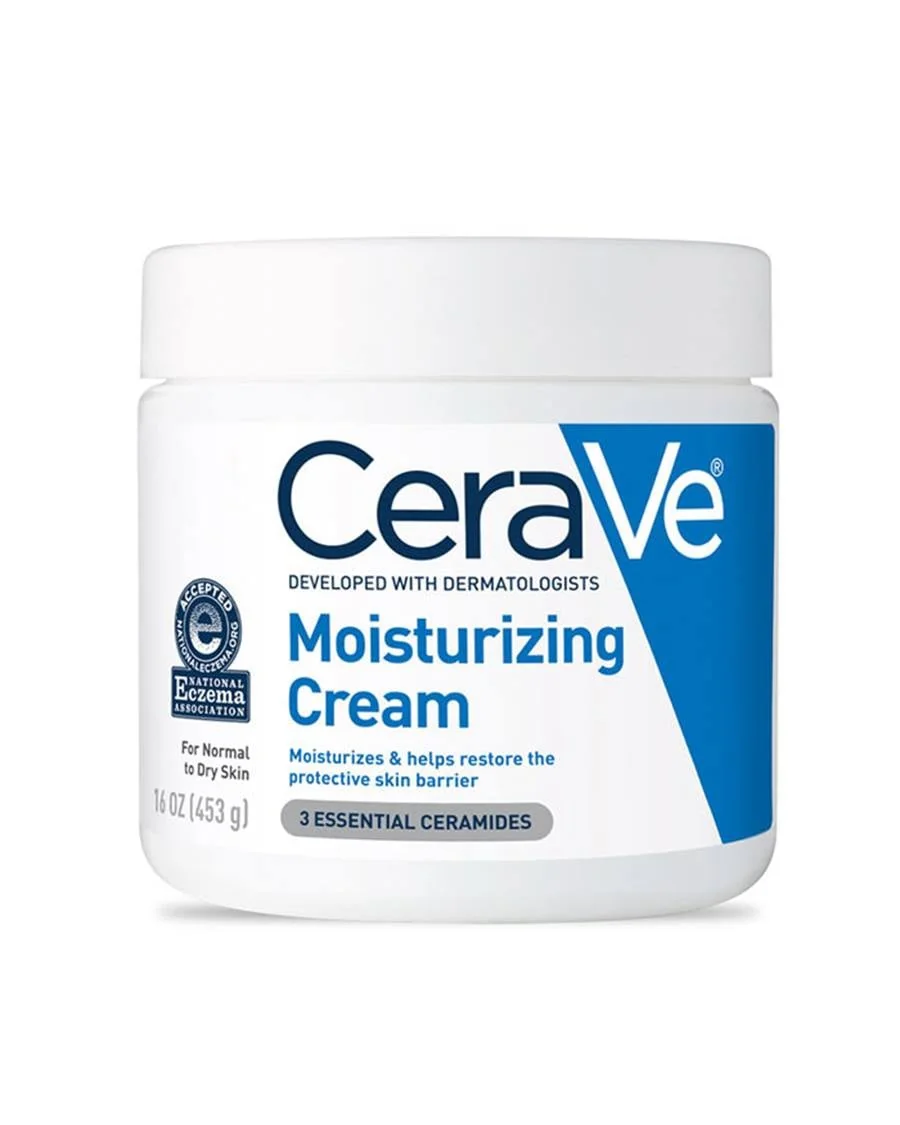
For everyday moisture
CeraVe Moisturizing Cream
A fragrance-free cream with ceramides for face or body. A familiar moisturizer can keep the supporting routine simple.
Shop CeraVe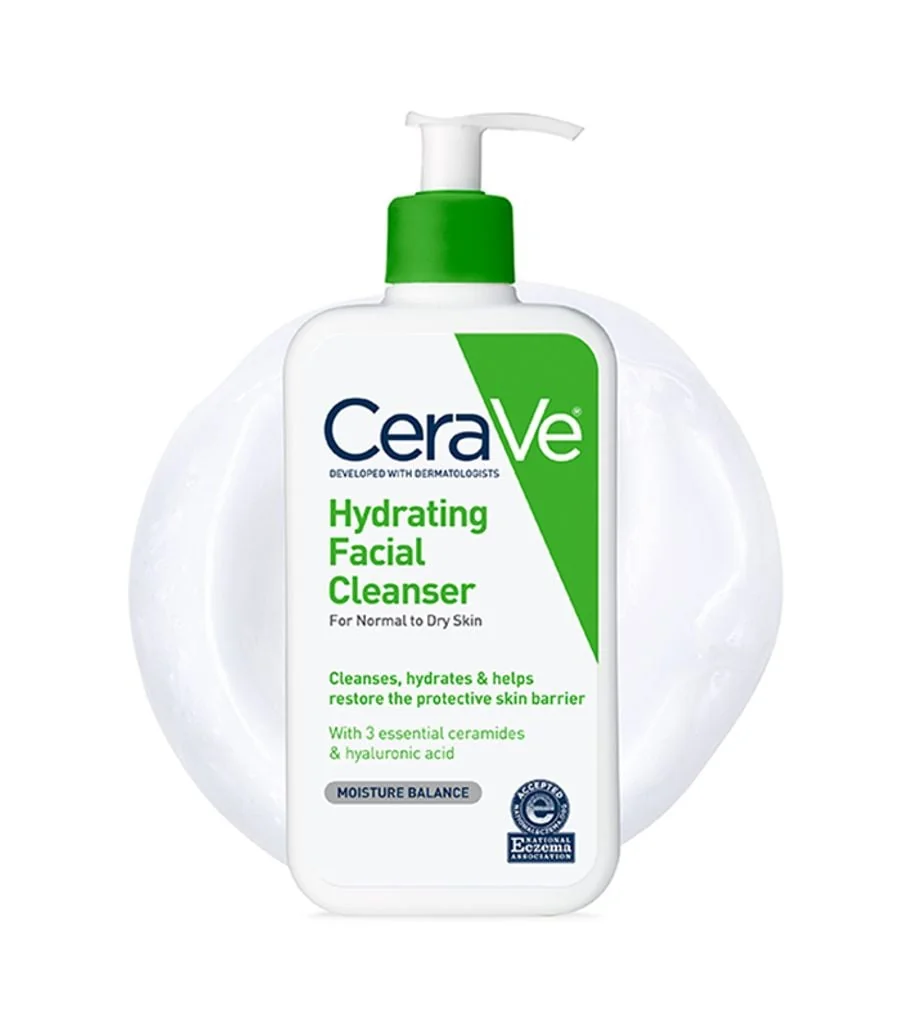
For a simple cleanse
CeraVe Hydrating Facial Cleanser
A non-foaming facial cleanser for normal to dry skin. Use it as a straightforward cleansing step rather than another treatment to add.
Shop CeraVe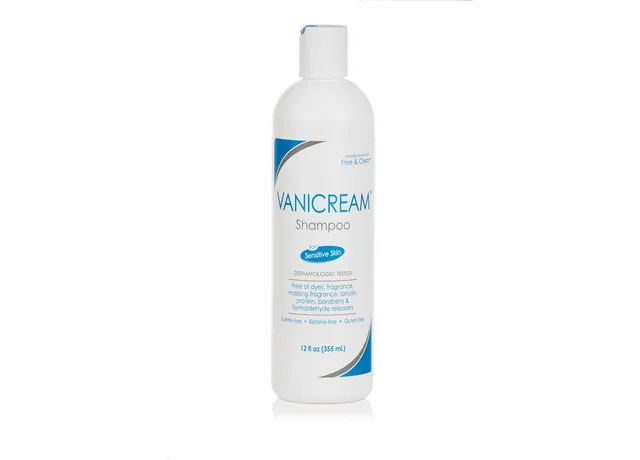
For a familiar wash day
Vanicream Shampoo
A fragrance-free, non-medicated shampoo for the cleansing step. Choose the washing frequency around your scalp and styling routine.
Shop VanicreamKeep makeup and hair changes attached to a preference or a problem
A different lip color can simply be a preference. It does not need a scientific reason. A change in hair care, on the other hand, is easier to assess when it addresses a specific issue: dry-feeling lengths, a style that catches on a scarf, or a wash routine that no longer suits the week. Name the issue before browsing seasonal launches.
Use a small edit: remove products you do not enjoy, replace an empty essential, and consider one change with a clear purpose. Check what the new item would overlap with before adding it. If your current serum and the new one have similar jobs, you may be replacing rather than expanding. Keep the routine recognizable enough to notice what helps. The appealing part of fall beauty can be a color, a texture, or an unhurried evening. It does not have to be a longer list of steps you now owe your skin.
Let hair care follow the scalp and the lengths
Notice whether the issue is scalp discomfort, buildup, or dry-looking ends. Those are different questions, and one extra oil will not answer all of them. Keep familiar wash-day steps and change only the part you have identified.
Check hats, scarves, and styling habits for simple sources of friction. A gentler way to detangle or a less tight style may be a more useful change than a crowded set of seasonal launches.
Keep a short shopping list
Restock the essentials that work and choose at most one considered adjustment to start. Give it time in the routine before making another change. You will have a clearer view of what helped.
A seasonal beauty ritual can be pleasant without being complicated. Warm towels, an unhurried wash, and a product you already like are allowed to be the entire update.