

A cleanser you have used for months suddenly feels uncomfortable. Your instinct may be to add a soothing serum, then another cream, then search for a whole new routine. Before the shelf expands, make space to understand what changed.
Step back from the newest variables
Write down the products you added or used more frequently, including exfoliants, retinoids, fragrance, and hair products that touch the face. Note whether the discomfort appeared after a change in weather or another routine.
Pause the suspected irritants rather than continuing to test them across the whole face. Keep the care simple and gentle. Skin that burns is asking for attention, not an increasingly complex sequence of products.
Sensitive is a description, not a complete diagnosis
The word sensitive can describe several experiences: stinging after a product, dryness, a rash, or a reaction to a particular ingredient. Those experiences do not necessarily share one cause. The FDA explains that cosmetics can trigger allergic reactions in some people, including contact dermatitis. That does not mean every uncomfortable application is an allergy, or that the packaging can tell you which explanation applies.
Describe the experience before assigning a label. Where did it occur? How soon after use? Was the change visible, and how long did it last? Did it appear with one product or several? Save the ingredient lists rather than relying on the bottle's headline. A clear description gives a clinician more to work with than a new collection labeled for sensitive skin. It also helps you stop repeating the same full-face experiment while waiting for the skin to settle.
Sources: [3]
A reassuring label still needs an ingredient list
The FDA states that there is no federal standard or definition governing the term hypoallergenic. That means the word should not be treated as a guarantee that a product cannot cause a reaction. The same practical caution applies to assuming that botanical or natural language tells you a formula will suit your skin. Read the actual product information and any known allergens relevant to you.
Compare labels when a pattern appears. If two products repeatedly coincide with discomfort, bring both lists to an appointment instead of trying to identify the ingredient by intuition. The Everygirl's sensitive-skin discussion can help you begin asking questions, but an online list of ingredients to avoid cannot diagnose your individual response. A shorter routine is useful here because it reduces the number of changing variables. It is not proof that short ingredient lists are universally safer than longer ones.

Test a small area before making the product a whole-face habit
For a new skincare product, the AAD suggests testing a small area twice daily for seven to ten days, following the product's usual amount and duration of application. If a reaction occurs, stop and wash the product off. This is a cautious home-use screen, not a guarantee of future tolerance or a replacement for a dermatologist's formal allergy assessment.
Choose a time when the skin is comfortable and you are not introducing several other products. Keep the label and make a note of the test dates. Do not test a product again simply to confirm a severe reaction you have already had; seek advice. If the test is uneventful, introduce the product according to its directions while keeping the rest familiar. The useful result is a clearer observation. It does not require repeated testing across irritated skin in search of permission to keep using an appealing bottle.
Sources: [5]
The IHE Edit
Three basics to compare carefully
A cleanser, moisturizer, and daytime SPF with clear ingredient lists. Check your own sensitivities and introduce one change at a time.
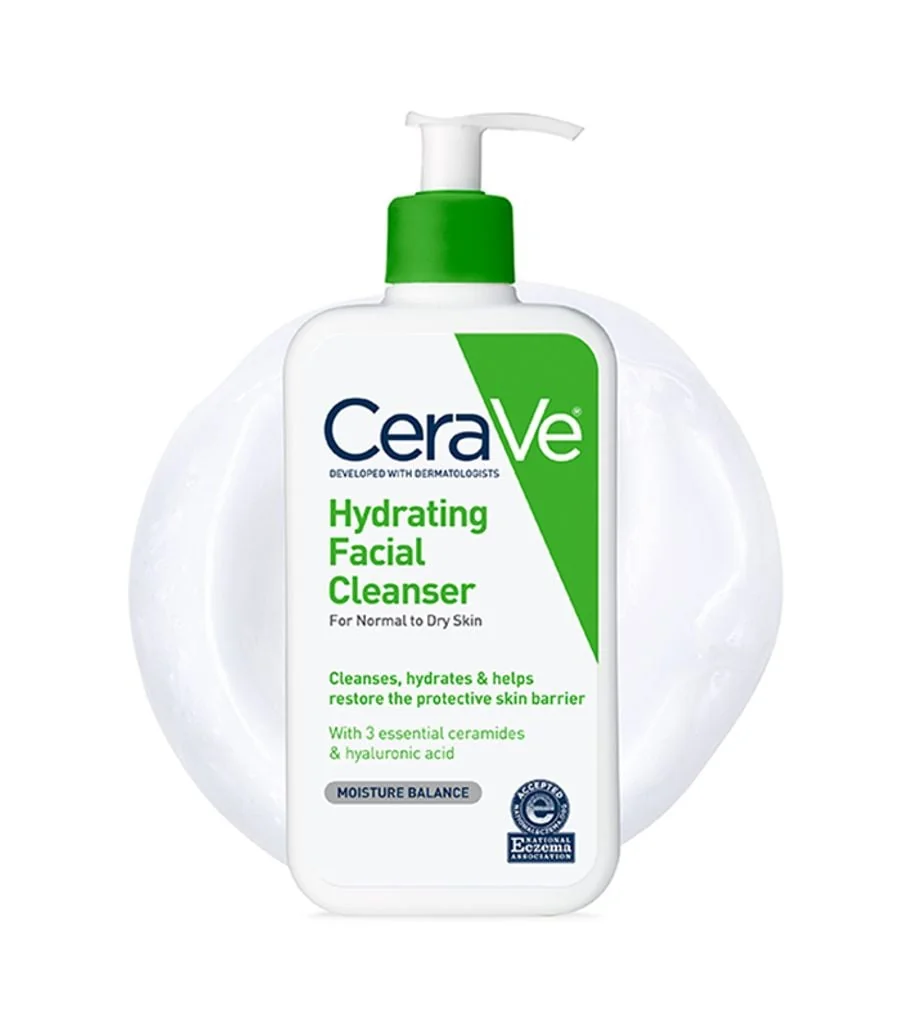
For a straightforward cleanse
CeraVe Hydrating Facial Cleanser
A non-foaming facial cleanser for normal to dry skin. Use it as a straightforward cleansing step rather than another treatment to add.
Shop CeraVe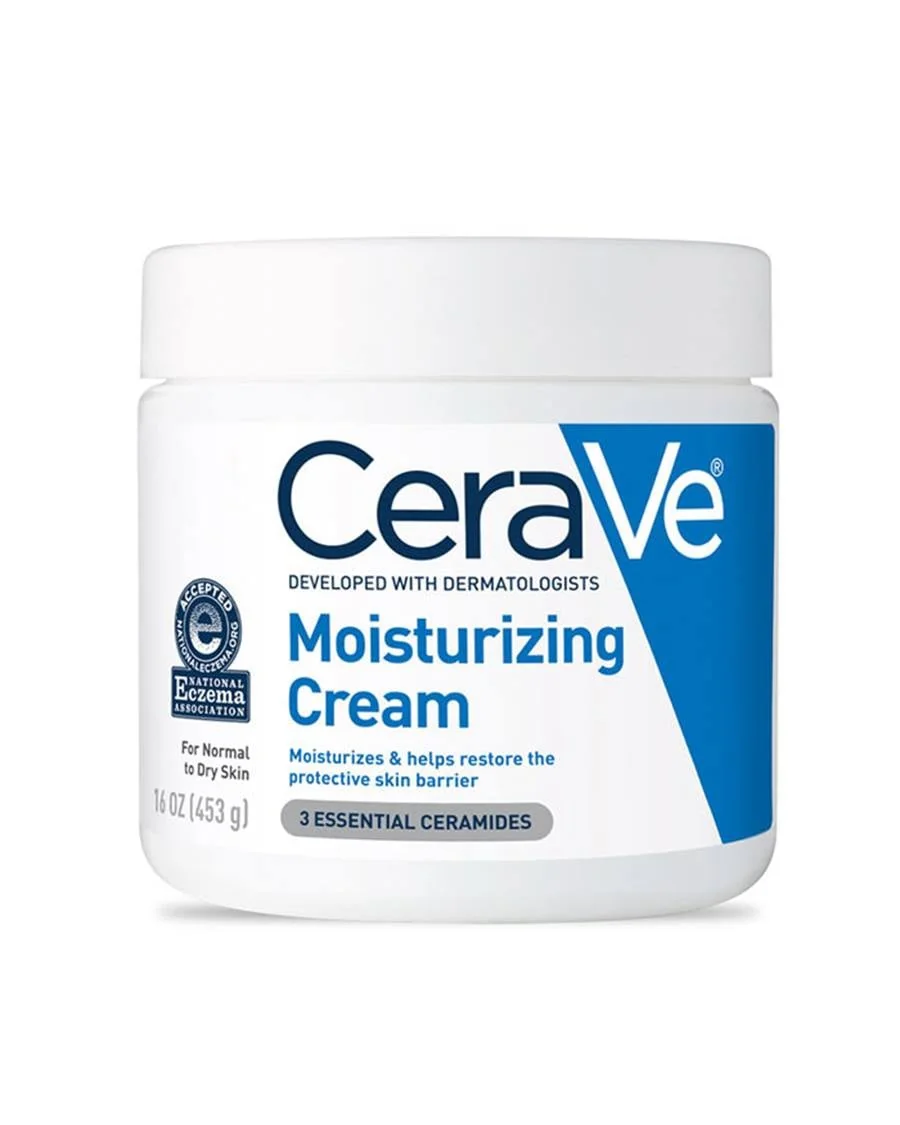
For everyday moisture
CeraVe Moisturizing Cream
A fragrance-free cream with ceramides for face or body. A familiar moisturizer can keep the supporting routine simple.
Shop CeraVe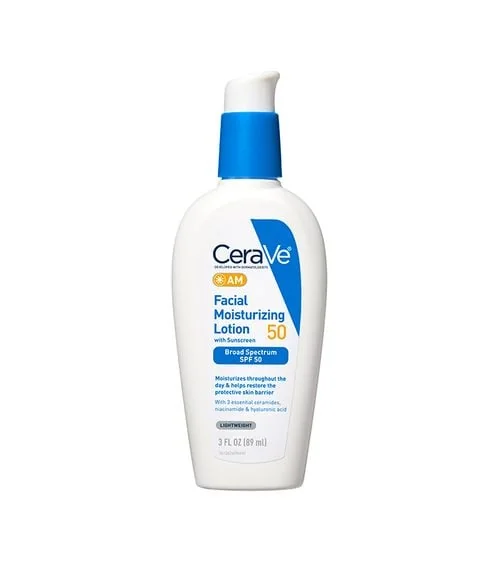
For the daytime step
CeraVe AM Facial Moisturizing Lotion SPF 50
A daytime moisturizer with broad-spectrum SPF 50. Apply and reapply according to the label; choose a water-resistant sunscreen for swimming or sweating.
Shop CeraVeMake the appointment more useful with a short history
Bring the products, photographs, and a timeline of changes. Include hair products that touch the face, fragranced items, and any prescriptions. Note whether symptoms change during breaks from a suspected product. A record made over a few ordinary days can be more useful than an exhaustive ingredient spreadsheet created after another uncomfortable shopping trip.
Ask what the next step is intended to distinguish: irritation from a routine, an allergy, or an underlying skin condition. Ask when to return if the plan does not help. Persistent discomfort deserves that follow-up rather than indefinite self-testing. If symptoms are severe, especially with breathing difficulty or substantial swelling, seek urgent care. For an everyday routine, the aim is simpler: products you can tolerate, a clear reason for each step, and enough information to recognize when the shelf is no longer where the answer belongs.
Keep a useful record instead of repeatedly experimenting
Take a photograph when a visible change occurs and note the date, the area involved, and what you applied. Keep the packaging or ingredient list. Bring those details if you seek professional advice.
Once the skin is comfortable, reintroduce a product cautiously according to guidance rather than rebuilding every step at once. If the same discomfort returns, you have a more specific observation to share.
Know when the bathroom shelf is no longer the answer
Persistent burning, a worsening rash, marked swelling, or pain warrants medical advice. Seek urgent help for a severe allergic reaction or breathing difficulty. Some skin conditions need treatment that a shopping list cannot provide.
The practical goal is comfort and clarity. You do not have to find a perfect aesthetic for your skincare collection before you can make a sensible next decision.