
An active ingredient can be effective and still ask more of your skin than your current routine can handle. With retinol, the temptation is often to turn a careful introduction into a nightly project. A better starting point is whether your skin feels comfortable enough to continue.
Choose one change to make
Strength, frequency, and the rest of your routine all matter. The American Academy of Dermatology advises starting slowly with retinol or retinoids. Follow the product’s directions; a stronger bottle is not automatically a better next step.
Before starting, write down what you already use. Keep cleansing and moisturizing familiar, and avoid introducing several exfoliating products on the same weekend. If your skin reacts, a simpler routine gives you a clearer explanation of what changed.
The names describe related ingredients, not identical products
Retinoid is the broader family name; retinol is one member. The Everygirl's retinoid explainer distinguishes over-the-counter retinol from prescription options such as tretinoin. Retinol is converted in the skin through steps toward retinoic acid, while tretinoin is already that active form. This helps explain why a percentage on one type of product cannot be treated as an equivalent percentage on another.
For shopping, write down the complete ingredient name, the concentration if disclosed, and whether the product is cosmetic or prescription. Do not compare two bottles by the largest printed number alone. The base, delivery system, and directions also differ. A treatment chosen for acne may involve a different conversation from a cosmetic chosen for texture. If you already have a prescription, ask the prescriber before adding another retinoid. The goal is one understandable plan, rather than several overlapping versions of the same category.
Sources: [2]
Build a supporting routine before adding the active
Lay out an ordinary evening from start to finish. Which cleanser do you tolerate? Which moisturizer leaves the skin comfortable? Is your daytime sun protection something you actually use? Answer those questions before making the active ingredient the center of the shelf. A new retinol is much easier to evaluate when the products around it remain familiar.
Create two lines on a calendar: planned retinol evenings and ordinary care evenings. This is a planning example, not a dosing schedule; the actual frequency should follow the product instructions or your clinician's advice. Leave room to reduce use if the skin becomes uncomfortable. If a planned evening is missed, resume the established routine rather than doubling the next application. The calendar should help you avoid an impulsive escalation. It should not turn skincare into a test of consistency that overrides what your skin is telling you.

Do not confuse tolerating more with needing more
Once a product becomes comfortable, it can be tempting to raise the strength simply because the shelf offers a stronger option. Return to the original goal. Are you trying to address a particular concern, maintain a routine that works, or satisfy the feeling that a routine should keep progressing? Only the first two give you something useful to assess.
Try writing one sentence before you buy: the change you hope to notice and the point when you will review it. Keep photographs comparable if you use them, and avoid judging the product by a different mirror or a unusually harsh light. If the concern needs a medical assessment, increasing a cosmetic's percentage may be the wrong next step. Comfort is part of whether a routine is usable. A bottle that repeatedly leaves you unable to tolerate your usual moisturizer is asking for reassessment, not a celebratory upgrade.
The IHE Edit
A retinol shelf with supporting roles
One active, a straightforward moisturizer, and daytime protection. Introduce changes gradually rather than rebuilding the shelf at once.
For the active step
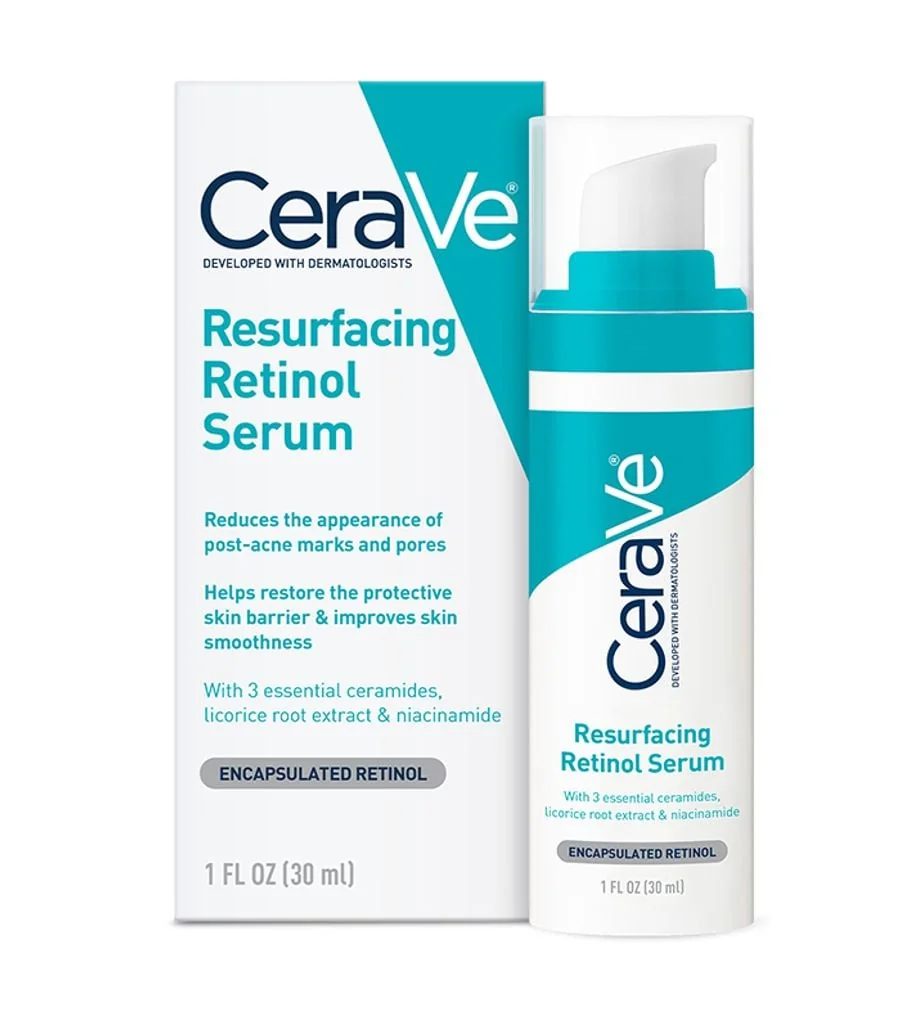
CeraVe Resurfacing Retinol Serum
A retinol serum to consider within a gradual routine. Follow its directions, keep daily sun protection in place, and avoid retinoids during pregnancy.
Shop CeraVe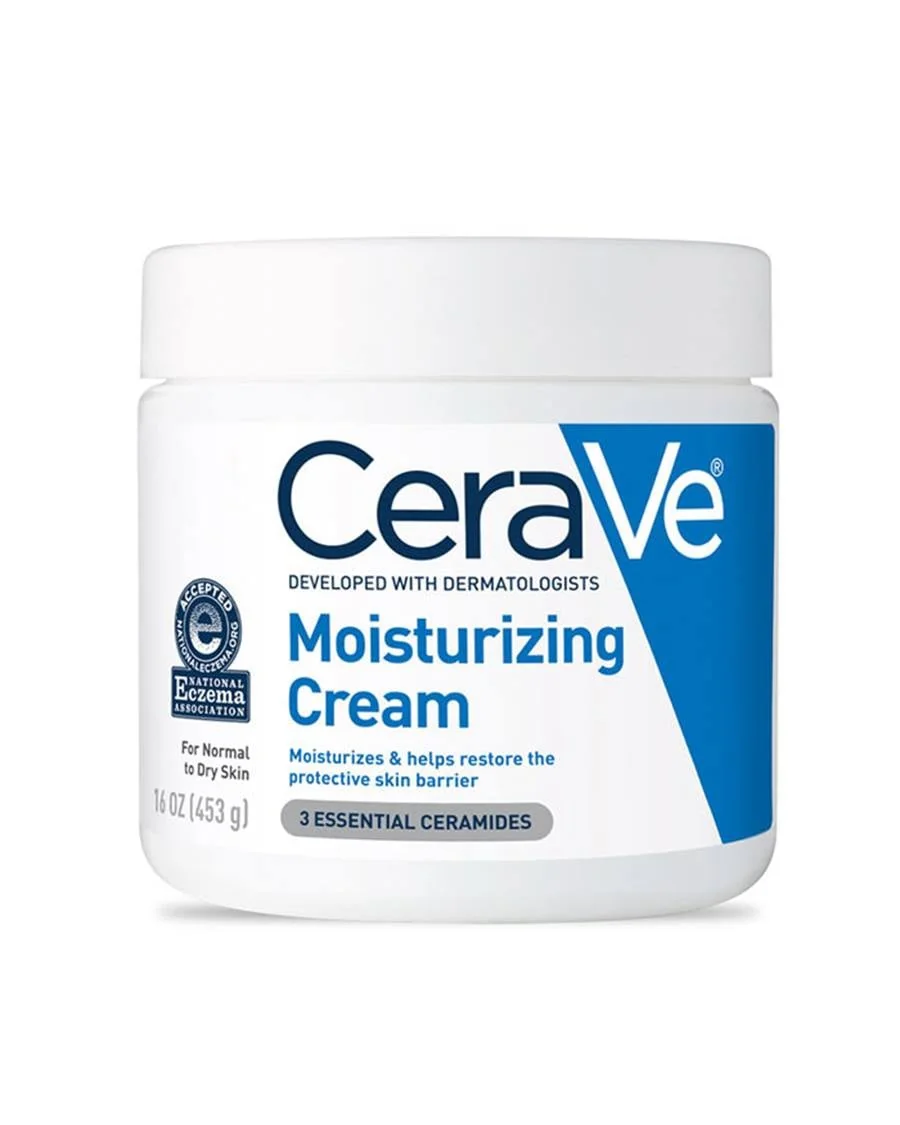
For everyday moisture
CeraVe Moisturizing Cream
A fragrance-free cream with ceramides for face or body. A familiar moisturizer can keep the supporting routine simple.
Shop CeraVe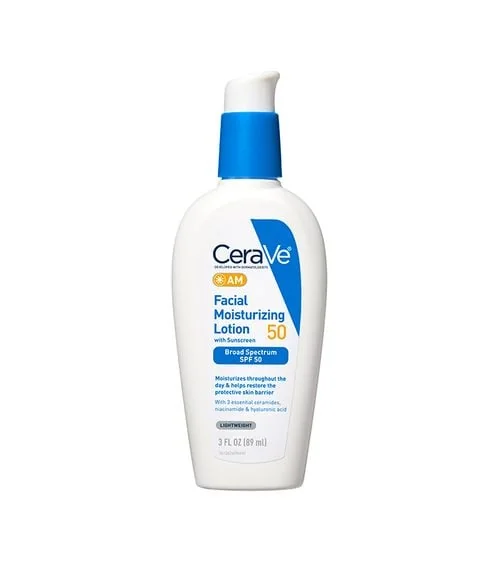
For daytime protection
CeraVe AM Facial Moisturizing Lotion SPF 50
A daytime moisturizer with broad-spectrum SPF 50. Apply and reapply according to the label; choose a water-resistant sunscreen for swimming or sweating.
Shop CeraVeKnow the difference between an adjustment and an ongoing problem
The AAD advises a gradual start and cautions that retinoids are unsuitable during pregnancy. It also emphasizes sun protection. These are practical boundaries, not reasons to make the routine complicated. Persistent discomfort, pronounced redness, or a new rash deserves a pause and advice rather than being accepted as the price of good skin.
Bring the complete routine to the conversation: cleanser, exfoliants, masks, spot treatments, prescriptions, and how often each is used. A clinician cannot interpret the retinol bottle in isolation if several other changes happened at once. Keep the purchase date and a short note about when symptoms started. If you are pregnant or planning pregnancy, ask about alternatives before continuing. A thoughtful routine leaves space for these decisions. It does not require an ingredient to be right for you simply because it is well established or widely recommended.
Sources: [1]
Know when to take a step back
Burning, pronounced redness, or ongoing irritation is a reason to pause and reassess, not evidence that the product is working harder. A dermatologist can help when symptoms persist or when acne, rosacea, or another condition complicates the picture.
Retinoids are not appropriate during pregnancy; ask your clinician about alternatives if you are pregnant or planning pregnancy. Daytime sun protection belongs in the routine, too. These decisions deserve more attention than which serum is trending.
Keep the supporting shelf uncomplicated
- A cleanser you already tolerate.
- A moisturizer that feels comfortable on your skin.
- Broad-spectrum sun protection for daytime use.
- One retinol product with readable instructions and a manageable schedule.
- A review point based on comfort and realistic goals, rather than impatience.