
I unfortunately wasn't blessed with the genetics for naturally luscious, voluminous locks. I wish I had been, but I've learned to work with what I have. My hair is fine, although I do have a good amount of it. And if you've ever searched for haircut inspiration before heading to the salon, you may have noticed something I've come across time and time again: articles and blogs that seem to use fine hair and thin hair interchangeably.
But they're actually two different things.
Fine hair refers to the diameter of each individual strand. In other words, the strands themselves are naturally smaller and finer. Thin hair, on the other hand, refers to the overall density of hair on your scalp, meaning you have fewer strands growing in a given area. You can have fine hair with plenty of density, thick strands with relatively low density, or a combination of both.
Why does this distinction matter? Because having naturally fine hair doesn't necessarily mean you're experiencing hair loss, and the products designed to address thinning aren't automatically going to change your hair's natural texture. For the purposes of this article, we're focusing on the latter: hair thinning and the different approaches available to address it.
A useful distinction
Fine hair and thin hair measure different things.
Fine hair
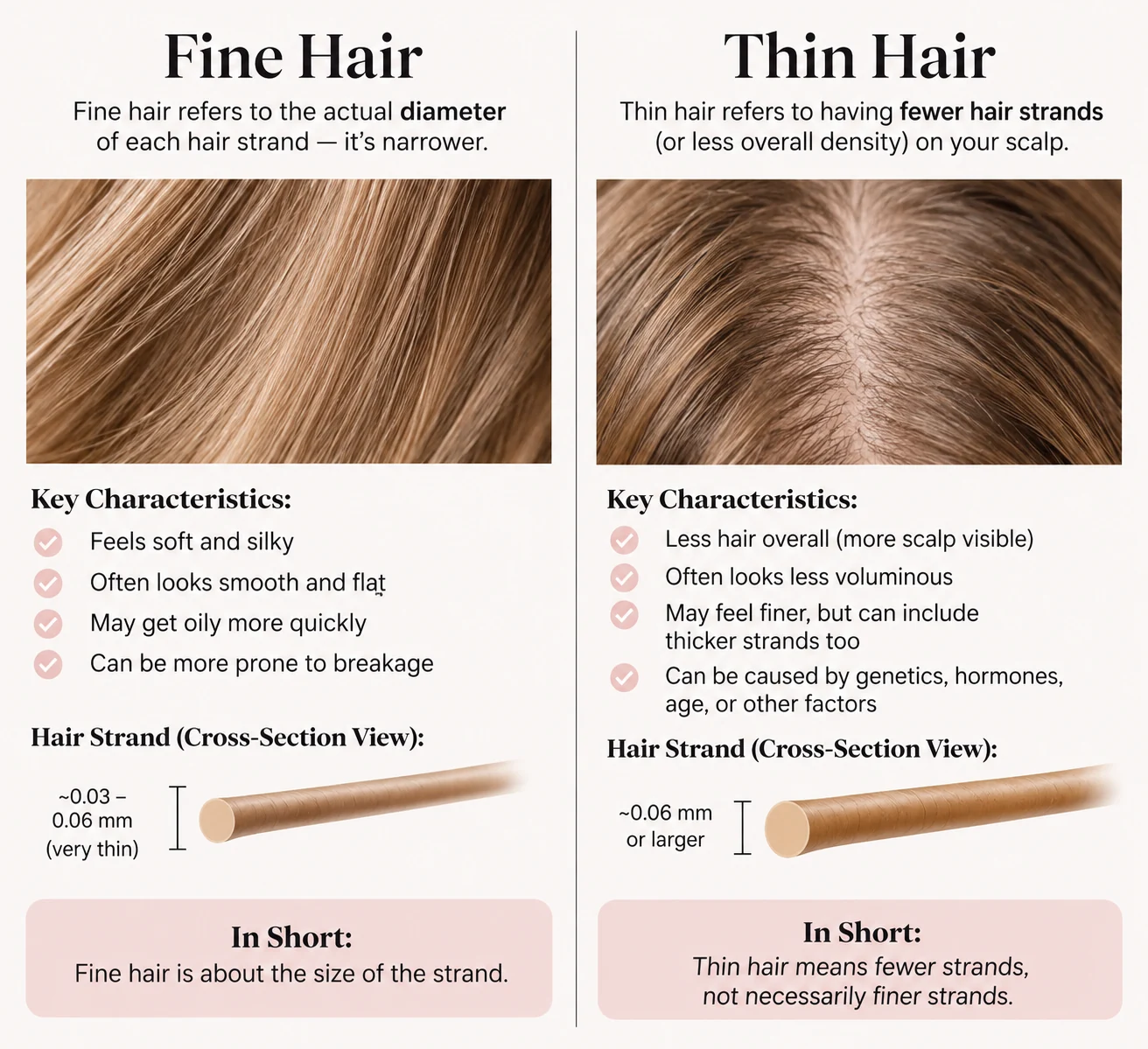
Thin hair
| What to compare | Fine hair | Thin hair |
|---|---|---|
| The measurement | Smaller individual strand diameter. | Fewer strands growing in a given area. |
| What can coexist | Fine strands with plenty of density. | Fine, medium, or thick strands with lower density. |
| What it tells you | Naturally fine hair does not necessarily mean hair loss. | Density alone does not identify the cause of thinning. |
Strand width is a separate measurement.
Either strand size can occur with lower scalp density. Illustrative cross-sections, not to scale.
One person swears by rosemary oil. Another credits their thicker hair to a carefully curated collection of supplements. Your dermatologist mentions minoxidil, while your social media feed (if anything like mine) is full of various beauty routines that showcase various scalp serums promising to bring your hair back to life. Somewhere in between, someone is recommending a $300 treatment involving injections into your scalp.
Hair thinning isn't one condition, and it doesn't have one universal solution. What works for someone experiencing temporary shedding after a stressful few months may do very little for someone dealing with hereditary hair loss. And a product that supports the scalp or improves the appearance of existing hair isn't necessarily going to address the underlying reason your follicles are producing less hair.
Before investing in another bottle, supplement, or treatment, it helps to understand what might actually be happening.
First, Let's Understand Why Hair Thins
Hair growth is a surprisingly complex process. Each follicle moves through a repeating cycle consisting of four phases: anagen (growth), catagen (transition), telogen (resting), and exogen (shedding).
Most of the hair on your head is typically in its growth phase, which can last several years. Eventually, that hair enters its resting phase, sheds, and makes room for a new strand to grow. It's a natural process, and losing approximately 50 to 100 hairs a day is generally considered normal. The trouble begins when something disrupts that cycle, changes the size of the follicle, or prevents new hair from growing as it should.
At the follicle
The hair growth cycle
-
01
Anagen
Growth
-
02
Catagen
Transition
-
03
Telogen
Resting
-
04
Exogen
Shedding

Figure 1F–G, Klingenstein et al., “Detailed morphological characterization and improvement of keratinocyte outgrowth from plucked human hair follicle”, PeerJ (2025). CC BY 4.0. Cropped in layout; labels and scale bars retained. View the full figure ↗
Some of the most common reasons include:
- Genetics and hormones: Hereditary hair loss, also known as androgenetic alopecia, occurs when genetically susceptible follicles gradually shrink. Over time, they produce finer, shorter hairs, resulting in less overall density. In women, this often appears as a widening part or diffuse thinning across the crown.
- Stress and physical changes: Significant stress, illness, surgery, childbirth, rapid weight loss, or other physical changes can trigger a condition called telogen effluvium. More hairs than usual enter the resting phase, leading to increased shedding, often a few months after the triggering event.
- Nutritional deficiencies: Low levels of certain nutrients, including iron and zinc, can interfere with normal hair growth. Inadequate protein intake can also contribute to shedding.
- Medical and inflammatory conditions: Thyroid disorders, autoimmune conditions, scalp infections, and certain medications can all contribute to hair loss.
And let's not forget that the cause of thinning can be multi-pronged, which doesn't make diagnosing the cause any easier or shorter. Someone experiencing stress-related shedding, for example, may also have early hereditary thinning that becomes more noticeable once the shedding starts.
This is why identifying the cause matters. A dermatologist can examine the scalp, review your medical history, and determine whether blood tests or other investigations are appropriate. In some cases, what looks like ordinary thinning may actually be a condition that needs medical attention.
The goal isn't to find the most popular hair growth treatment. It's to find the one that addresses what's actually happening on your unique head.
The Hair Growth Options: What Actually Works?
Once you start researching hair thinning, you'll quickly discover that the options fall into several different categories. Some target the hair follicle directly, others address nutritional deficiencies, and some aim to improve the scalp environment. They aren't necessarily competing solutions, but they do have very different levels of scientific evidence. So, let's take a closer look at some of the most popular approaches, what the research tells us, and where each one fits.
1. Supplements: Can Better Nutrition Mean Better Hair?
Hair growth supplements have become a category of their own, with everything from biotin gummies to comprehensive hair, skin, and nail formulas promising stronger, fuller hair.
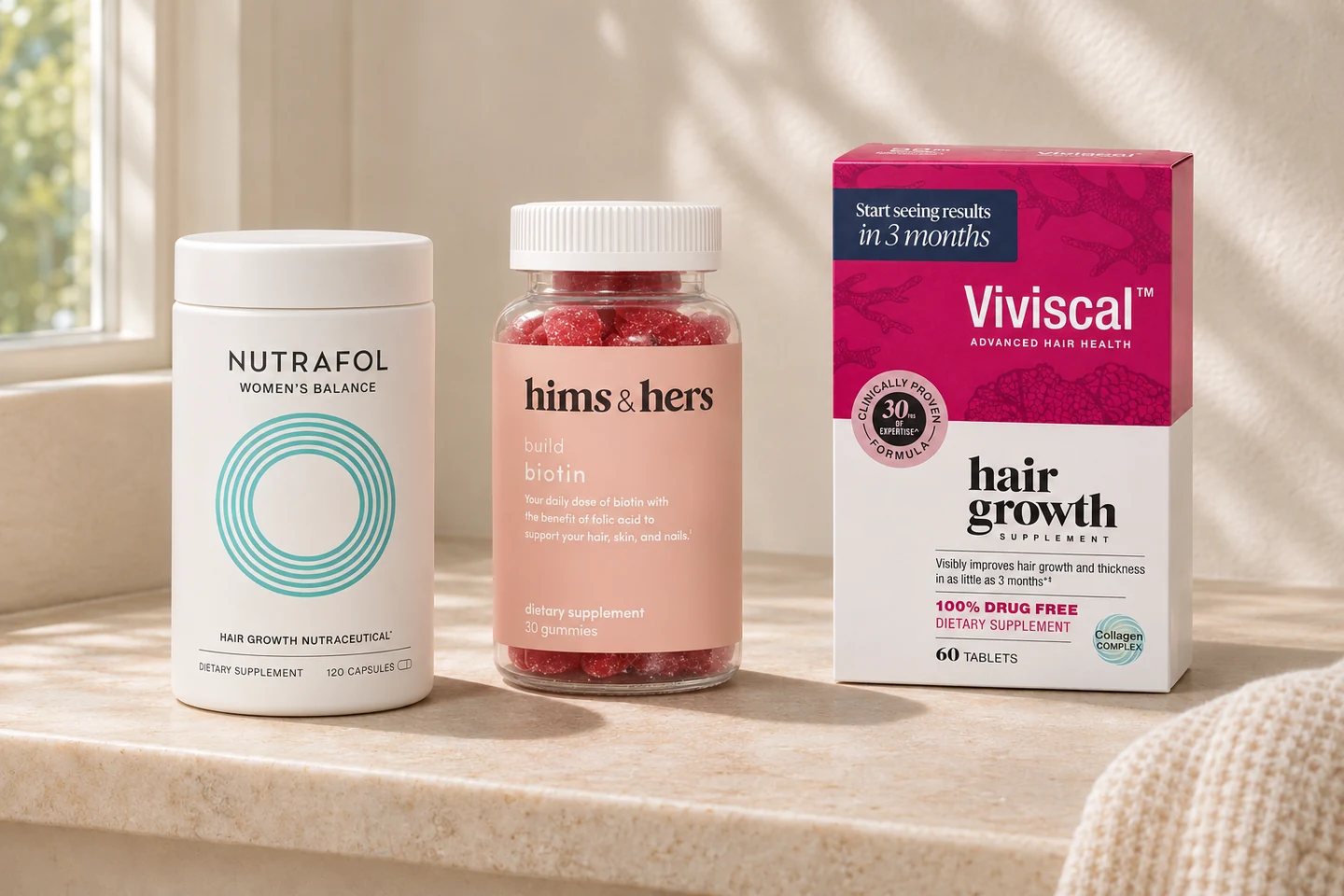
The logic makes sense. Hair follicles are metabolically active structures that depend on adequate nutrients to function properly. Iron, zinc, protein, and several vitamins all play roles in normal hair growth. But there's an important distinction between correcting a deficiency and adding more nutrients when your body already has enough of it.
If thinning is related to low iron, inadequate protein intake, or another confirmed nutritional deficiency, addressing that issue may help restore normal hair growth. However, taking additional supplements when nutrient levels are already sufficient doesn't necessarily encourage follicles to produce more hair.
Biotin is a particularly interesting example. It's frequently marketed as a hair growth essential, yet biotin deficiency is relatively uncommon, and there is little scientific evidence that supplementation improves hair growth in people who aren't deficient. The National Institutes of Health Office of Dietary Supplements highlights the limited evidence supporting these claims.
2. Rosemary Oil: A Natural Alternative Worth Considering?
If you've spent any time researching natural hair growth remedies, you've probably come across rosemary oil. It's become particularly popular on social media, with users incorporating it into scalp massages, pre-wash treatments, and overnight hair routines. The appeal is understandable: it's accessible, relatively inexpensive, and feels like a more natural approach to scalp care. But is there any science behind it?
There is some, although the evidence is still limited.
One frequently cited 2015 randomized comparative study looked at rosemary oil versus 2% minoxidil in 100 people with androgenetic alopecia over six months. Both groups experienced an increase in hair count by the six-month mark, with no statistically significant difference between the groups.
It's an interesting finding, but it deserves context. The study was relatively small, and one trial isn't enough to establish the effectiveness of rosemary oil across different types of hair loss. There are also practical considerations. Essential oils can irritate the scalp, particularly when used undiluted.
3. Minoxidil: The Established Standard
Unlike many of the products circulating online, minoxidil has a substantial clinical history behind it. Originally developed as an oral medication for high blood pressure, researchers discovered that one of its side effects was increased hair growth. Today, topical minoxidil is one of the most established treatments for hereditary hair thinning.
It works by influencing the hair growth cycle and helping follicles remain in their growth phase for longer. It can also increase the size of miniaturized follicles, allowing them to produce thicker strands. For women experiencing female pattern hair loss, topical formulations containing 2% or 5% minoxidil are established, FDA-approved treatments in the United States. But that doesn’t mean application is effortless.
Minoxidil requires consistent, long-term application. Some people experience increased shedding during the initial weeks of treatment, and scalp irritation, dryness, and unwanted facial hair growth are possible side effects. Results also take time, with approximately six to twelve months of consistent use generally needed to evaluate its effectiveness. And perhaps its biggest limitation: the benefits are dependent on continued use. Stop applying it, and the hair maintained or regrown through treatment will gradually be lost.
4. Hair Growth Serums: The Newer Generation of Scalp Care
Hair growth serums have evolved considerably beyond traditional scalp oils and conditioning treatments. Many newer formulations are designed to target the biological processes involved in follicle health, rather than simply making existing hair feel thicker.
Depending on the formula, these products may contain peptides, botanical extracts, vitamins, and other ingredients intended to support the scalp environment and hair growth cycle. Some ingredients have promising preliminary research behind them, but the evidence varies considerably. A laboratory study demonstrating activity in hair follicle cells, for example, isn't the same as a controlled clinical trial demonstrating visible improvements in people.
That's an important distinction when evaluating products in this category. Unlike minoxidil, most cosmetic hair serums aren't FDA-approved treatments for hair loss. Their claims, ingredients, and clinical support need to be assessed individually.
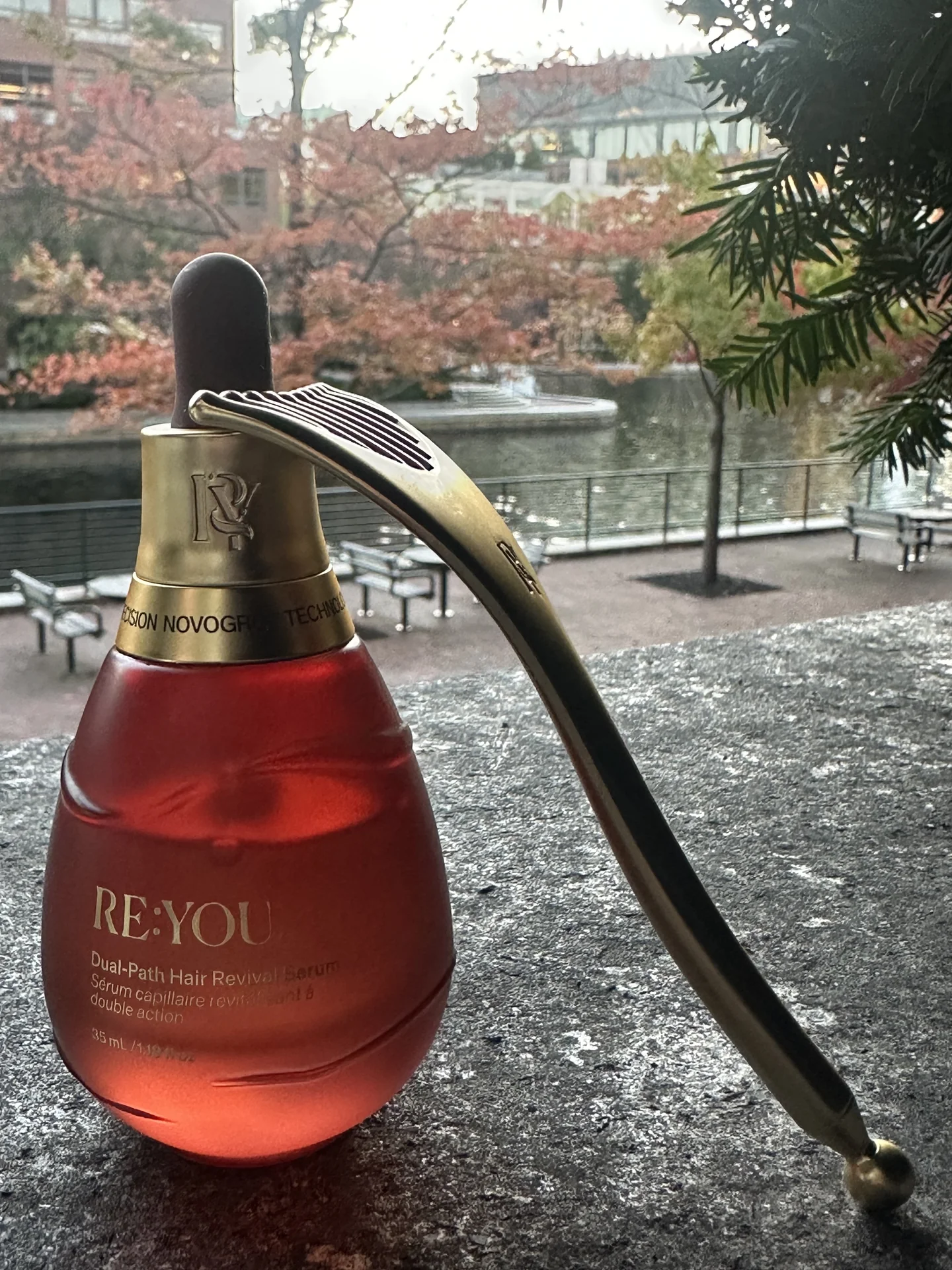
One example of this newer approach is RE:YOU's Dual-Path Hair Revival Serum, which uses its proprietary NOVOGRO™ technology. (You can read more about the product and its science in our previous article, Minoxidil Has Ruled Hair Loss for Decades. Is There a New Contender?).
Rather than relying exclusively on traditional botanical ingredients, RE:YOU developed three molecules designed to target different aspects of hair follicle health. According to the company, its discovery process involved screening approximately 20 million molecules using AI-assisted technology, followed by testing in human hair follicle models.
- NOVOGRO™ 623: The energizer, intended to support the activity of dermal papilla cells, which play an important role in regulating hair growth.
- NOVOGRO™ 624: The revitalizer, designed to support follicle health and cellular activity.
- NOVOGRO™ 273: The scalp environment restorer, intended to support the environment surrounding the hair follicle.
What's particularly interesting is that RE:YOU has also conducted a randomized, double-blind clinical study involving 190 women with visible hair thinning, comparing its formulation against minoxidil.
The company reports improvements in hair density and reduced shedding after 90 days of daily use. However, there are some important qualifications: these are interim findings from a six-month study, and the company has not yet published the complete six-month results. The supporting molecular research also includes a 2026 preprint that has not yet undergone peer review. The move toward testing complete formulations in controlled human studies is an encouraging development in a category where many products have historically relied on ingredient-level research and marketing claims.
5. In-Office Procedures: When At-Home Treatments Aren't Enough
For those experiencing more advanced thinning, or looking for additional treatment options, there are procedures that can be performed by dermatologists and hair restoration specialists. Two of the more frequently discussed options are platelet-rich plasma (PRP) therapy and hair transplantation.
Platelet-rich plasma (PRP) therapy
PRP involves drawing a small amount of your blood, separating the platelet-rich portion, and injecting it into areas of the scalp. Platelets contain growth factors involved in tissue repair and cellular signaling. The idea is that introducing these growth factors into the scalp may help stimulate follicle activity. Some clinical studies mentioned by the American Hair Loss Association have reported improvements in hair density and thickness, particularly in people with androgenetic alopecia. However, protocols vary significantly between providers, and the quality of the available evidence remains mixed. Treatment generally requires multiple sessions, with maintenance treatments potentially needed. It's also worth noting that PRP can be expensive and isn't guaranteed to produce results.
Hair transplantation
Hair transplantation is a more established surgical option for people experiencing certain forms of permanent, pattern-related hair loss. The procedure involves relocating healthy hair follicles from a donor area, typically the back or sides of the scalp, to areas experiencing thinning.
Unlike topical treatments, transplantation physically moves existing follicles rather than attempting to stimulate them. It can provide long-lasting results when someone is an appropriate candidate, but it isn't suitable for every type of hair loss. It also doesn't stop the underlying progression of hereditary thinning in untreated areas, so additional medical management may still be recommended.
So, How Do You Decide What's Right for You?
With so many options, it can be tempting to try several things at once. I'll admit, I've had plenty of occasions where I've stood in the beauty aisle, picked up five products that seem to do exactly the same thing, and found myself completely overwhelmed by the choices. Sometimes the packaging gets me before I've even figured out what the product is supposed to do.
But this is where taking a step back can make all the difference. Rather than adding everything to your shopping cart, spend a little time researching the ingredients, understanding the claims, and considering how the product might actually benefit you. A little online sleuthing can go a long way when you're trying to separate genuinely promising products from clever marketing.
A more useful approach is to start with the type of hair thinning you're experiencing and work backwards.
Here's a simplified guide to help put the different approaches into perspective:
Swipe the table to compare all columns →
| Approach | Best suited for | Evidence and limitations |
|---|---|---|
| Supplements | Hair thinning associated with confirmed nutritional deficiencies | Useful when correcting deficiencies; limited benefit when nutrient levels are already sufficient |
| Rosemary oil | Those interested in natural scalp-care approaches | Some preliminary human evidence, but more research is needed |
| Minoxidil | Hereditary or pattern-related hair thinning | Strong clinical evidence; requires consistent, ongoing use |
| Hair serums | Those exploring topical formulations designed to support follicle and scalp health | Evidence varies by formula; look for controlled human studies |
| Platelet-rich plasma (PRP) therapy | Selected cases of pattern-related hair thinning | Promising research, but protocols and results vary |
| Hair transplantation | Appropriate candidates with established pattern-related hair loss | Established surgical option, but doesn't prevent future thinning elsewhere |
And before choosing a product, there are a few questions worth asking:
- Do I know what's causing my hair thinning? If not, start with a dermatologist rather than a shopping cart.
- Is the evidence based on people or laboratory studies? Both are valuable, but they answer very different questions. And remember that a viral before-and-after video or an influencer's personal recommendation isn't the same as clinical evidence.
- Has the finished product been clinically tested? Research on an individual ingredient doesn't automatically validate the entire formulation.
- How long will I need to use it? Hair growth takes time, and most approaches require consistency.
- Can I realistically incorporate it into my routine? Even the most promising treatment won't be particularly useful if you stop using it after three weeks.
One final point worth remembering: sudden, patchy, rapidly progressing, or inflammatory hair loss deserves medical evaluation rather than experimentation with at-home treatments. Early diagnosis can make a meaningful difference, particularly for conditions that risk permanent follicle damage.
The Bottom Line: It's Not About Finding the One Miracle Product
Hair thinning can be frustrating precisely because there isn't one answer that works for everyone. And while the beauty industry continues to introduce new ingredients, technologies, and formulations, the most important development may be a shift in how we evaluate them.
We're becoming more discerning about what sits behind the claims. We're asking for clinical studies rather than relying exclusively on before-and-after photographs. We're looking beyond impressive ingredient lists and considering whether a finished formulation has actually demonstrated measurable results.
That's a good thing.
Minoxidil remains an important benchmark, supplements have a role when deficiencies are involved, and natural ingredients such as rosemary oil deserve continued research. Meanwhile, newer approaches to scalp care, including hair serums, are bringing fresh scientific thinking into a category that could use more rigorous testing.
I'll be the first to admit that I can get overwhelmed by the sheer number of beauty products available, and I'm certainly not immune to the pretty packaging and perfectly curated images that fill my social media feed. But when it comes to something like hair thinning, it's worth resisting the urge to buy the first product that catches your eye. Give yourself a few days to look into the ingredients, understand the science behind the claims, and decide whether the product could genuinely be beneficial for you.
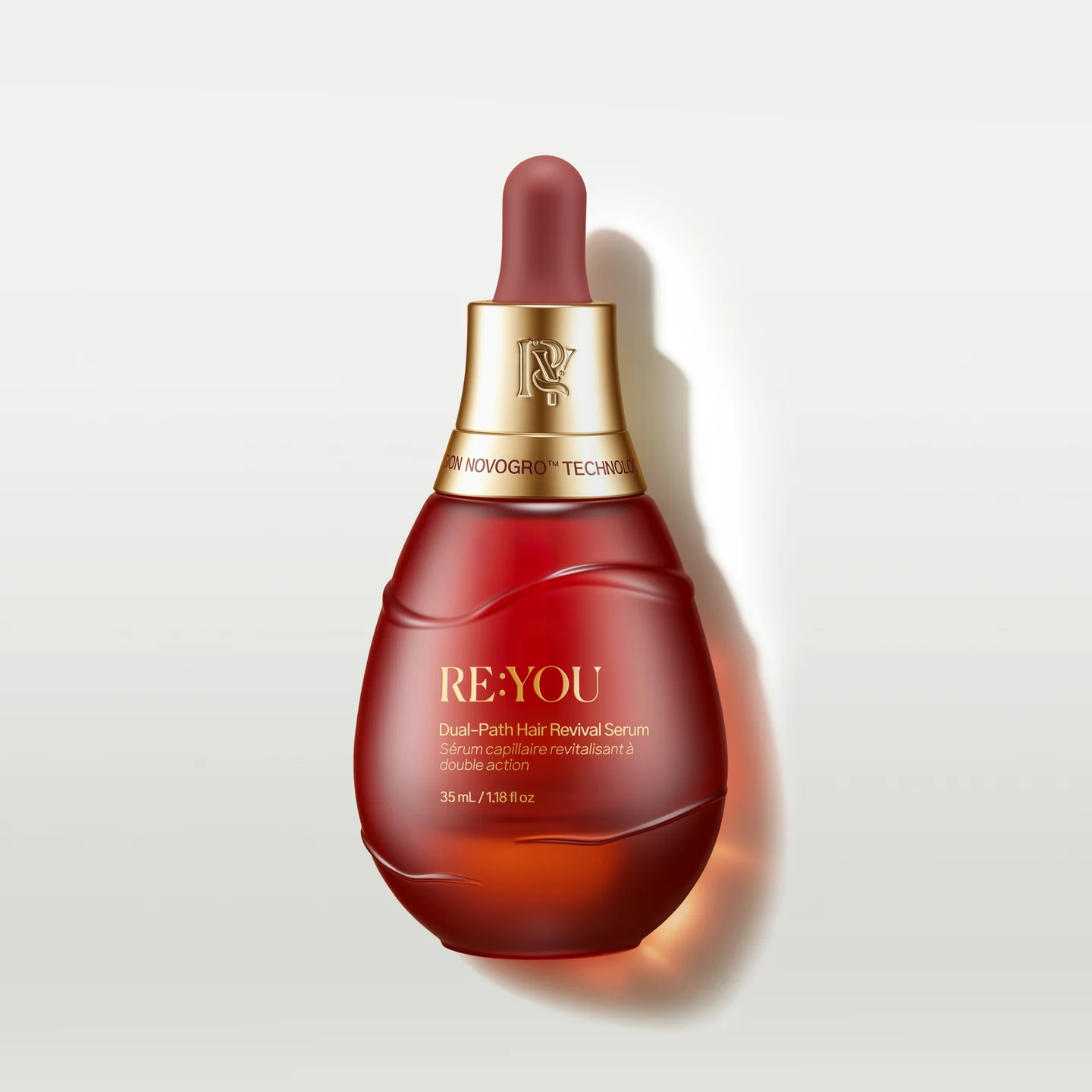
Featured product
RE:YOU Dual-Path Hair Revival Serum
- 97%
- of participants had less shedding*
- 50%
- greater hair density vs. minoxidil*
*Brand-reported 90-day interim results from a 190-woman clinical trial. Results vary. Read the study.